
Inspired By Gibson Custom: Is the Epiphone 1957 Gold Top Really a One-and-Done Guitar?
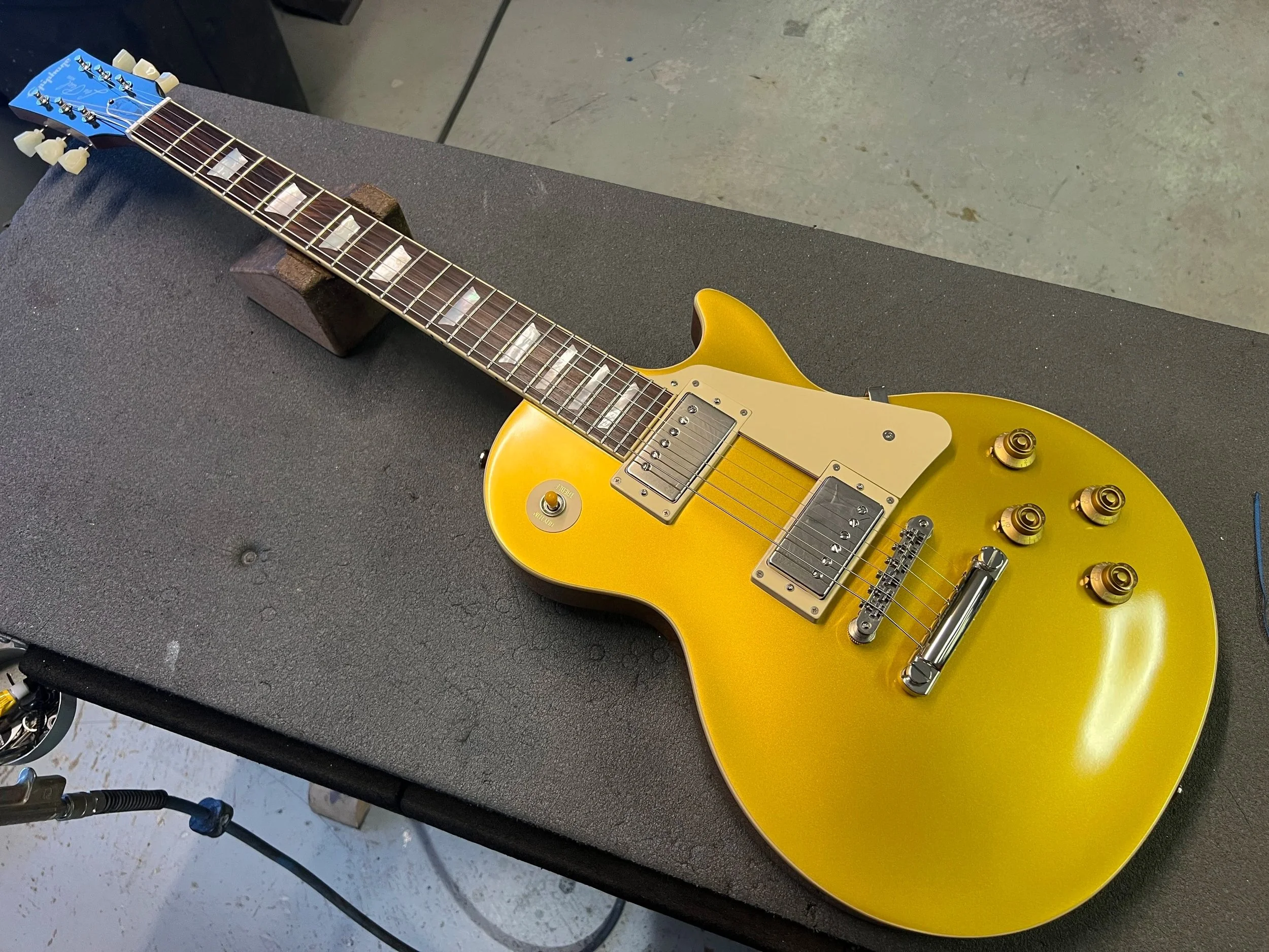
Epiphone IGC 1957 Les Paul Gold Top
After trying the Epiphone 1959 ES-355 IGC, the aftertaste was just sweet and inviting for more. It made me very interested in the whole Epiphone IGC lineup, so I started looking around and found the protagonist of today's post: The "Inspired By Gibson Custom" Epiphone 1957 Les Paul Gold Top.
The premise for buying this guitar was simple: how would those yummy, creamy Gibson Custombucker pickups sound on a solid body? Just because they work so well on the IGC ES-355, we can't automatically assume they'll work on a typical Les Paul body. So, I went again to my trusty Thomann (not sponsored by any means) and started looking at the IGC Les Paul models. Something jumped straight to my attention: a B-Stock IGC Gold Top. I thought, "this is it, this is the one."
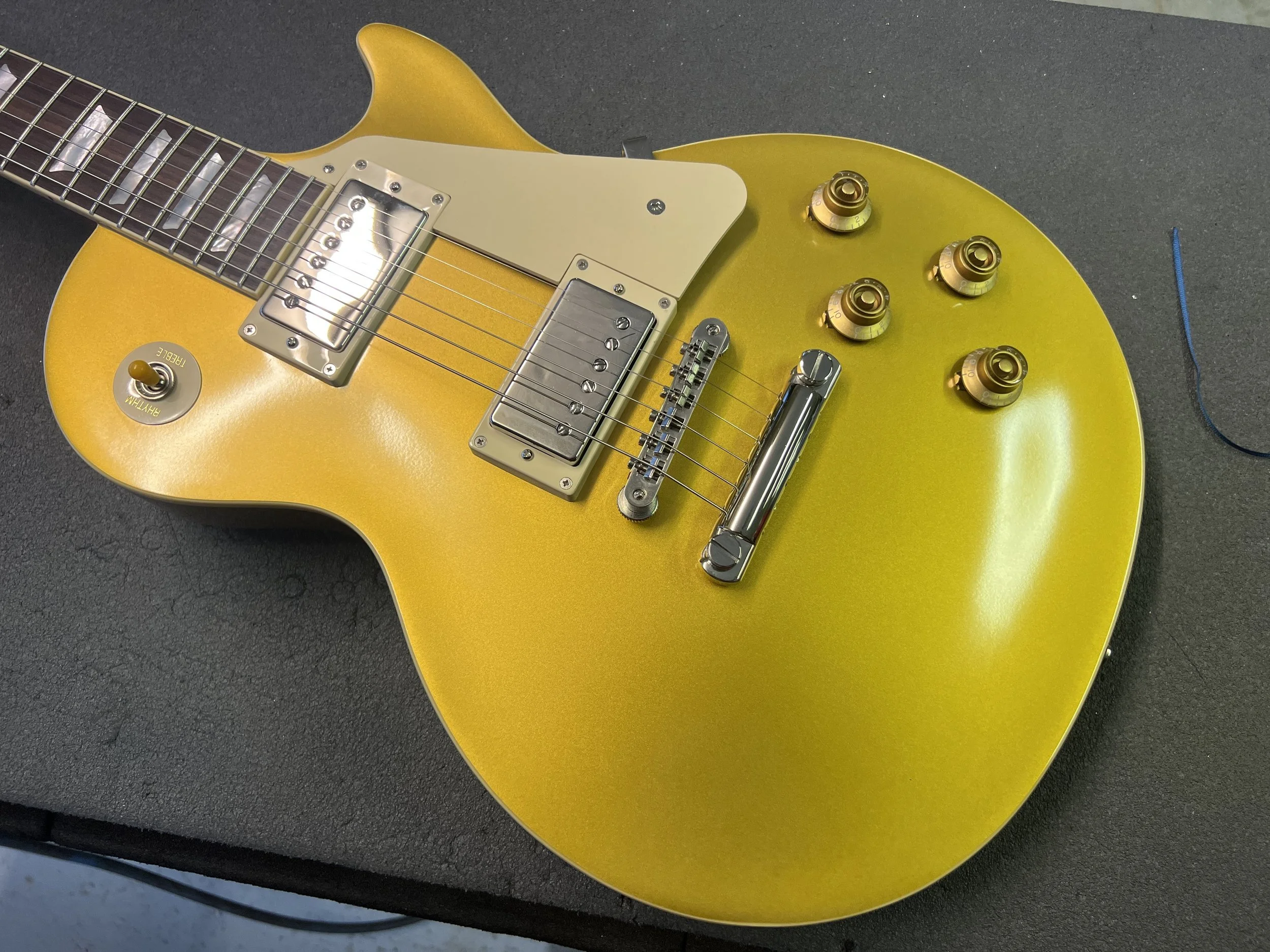
Epiphone IGC 1957 Les Paul Gold Top
Thomann has this model new for the Finnish market at 1277€. Now, as with the IGC ES-355, it’s not a cheap guitar. Considering the modern guitar market and the hardware in this model, I still think it's fine, but it sure isn't cheap. I wouldn’t say it’s the type of guitar you buy a kid as a first instrument, and maybe not even the first choice you buy yourself if you aren't sure what you're getting. But because budget is directly related to the size of your pocket and what you're comfortable paying, it’s hard to say if it can't be a "first-time" guitar. What I can say is this: the IGC is generally a lineup meant to be played. There’s absolutely no need for upgrades here. This IGC lineup is a tool for the expert musician too, right out of the box.
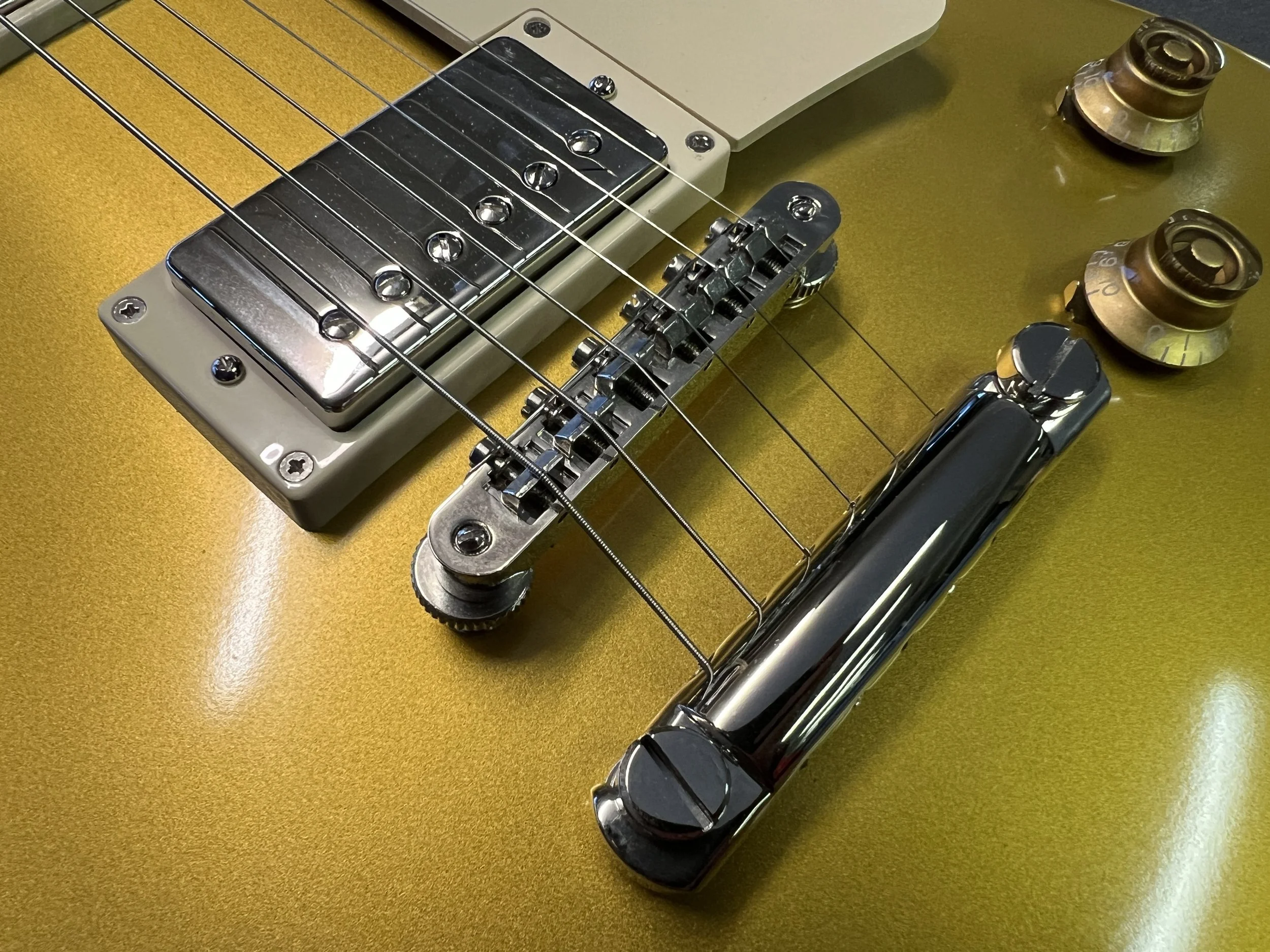
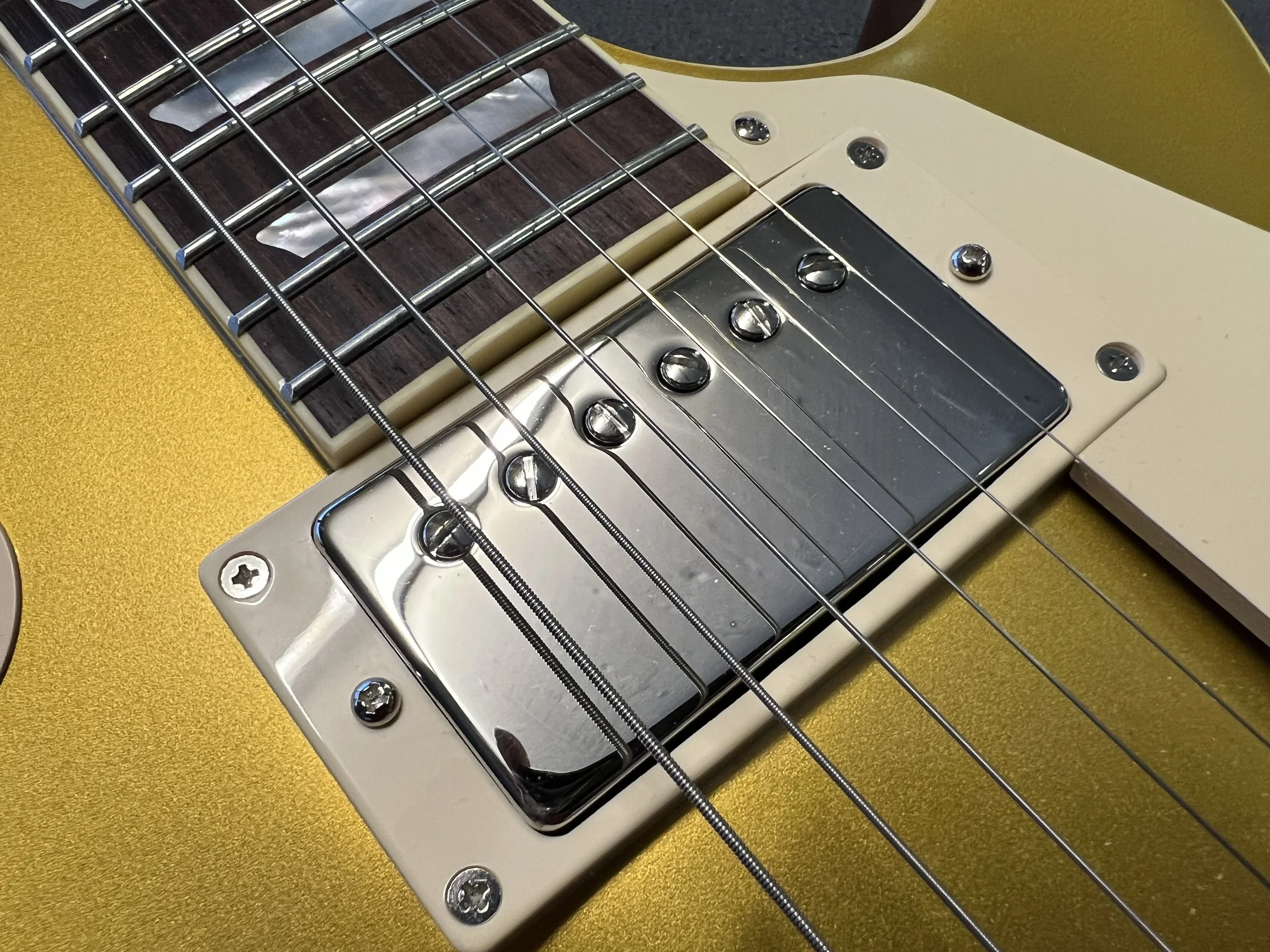
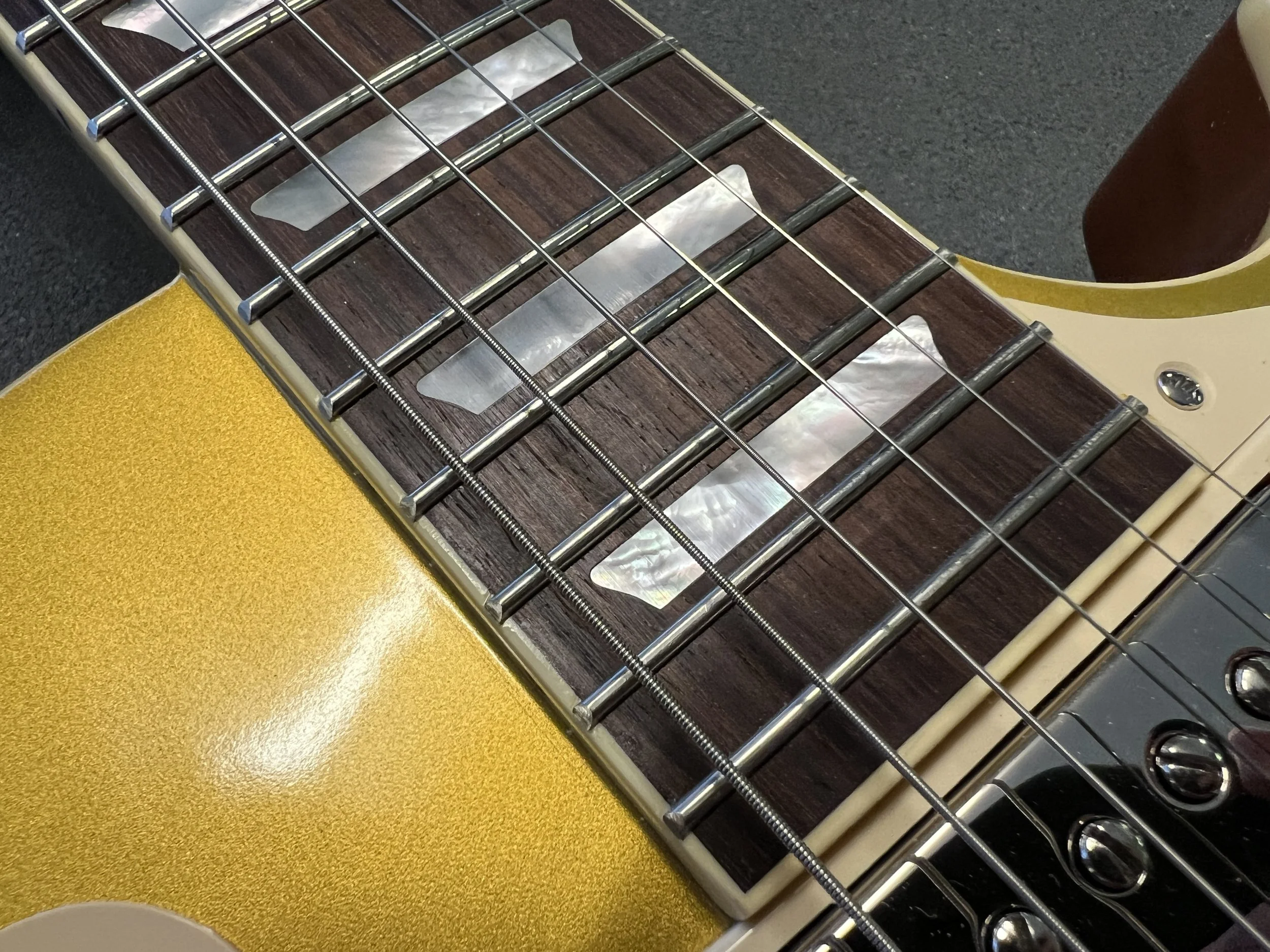
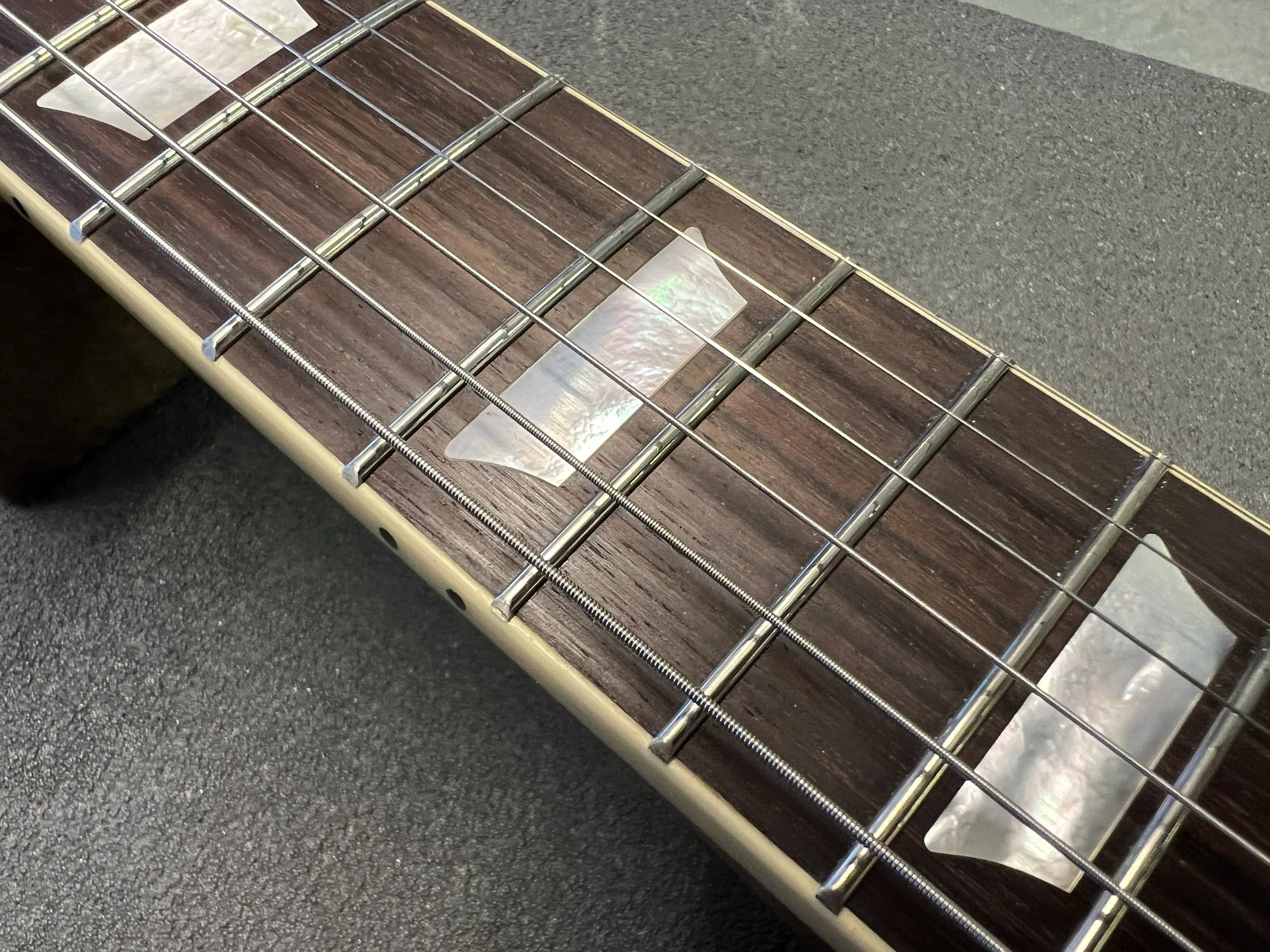
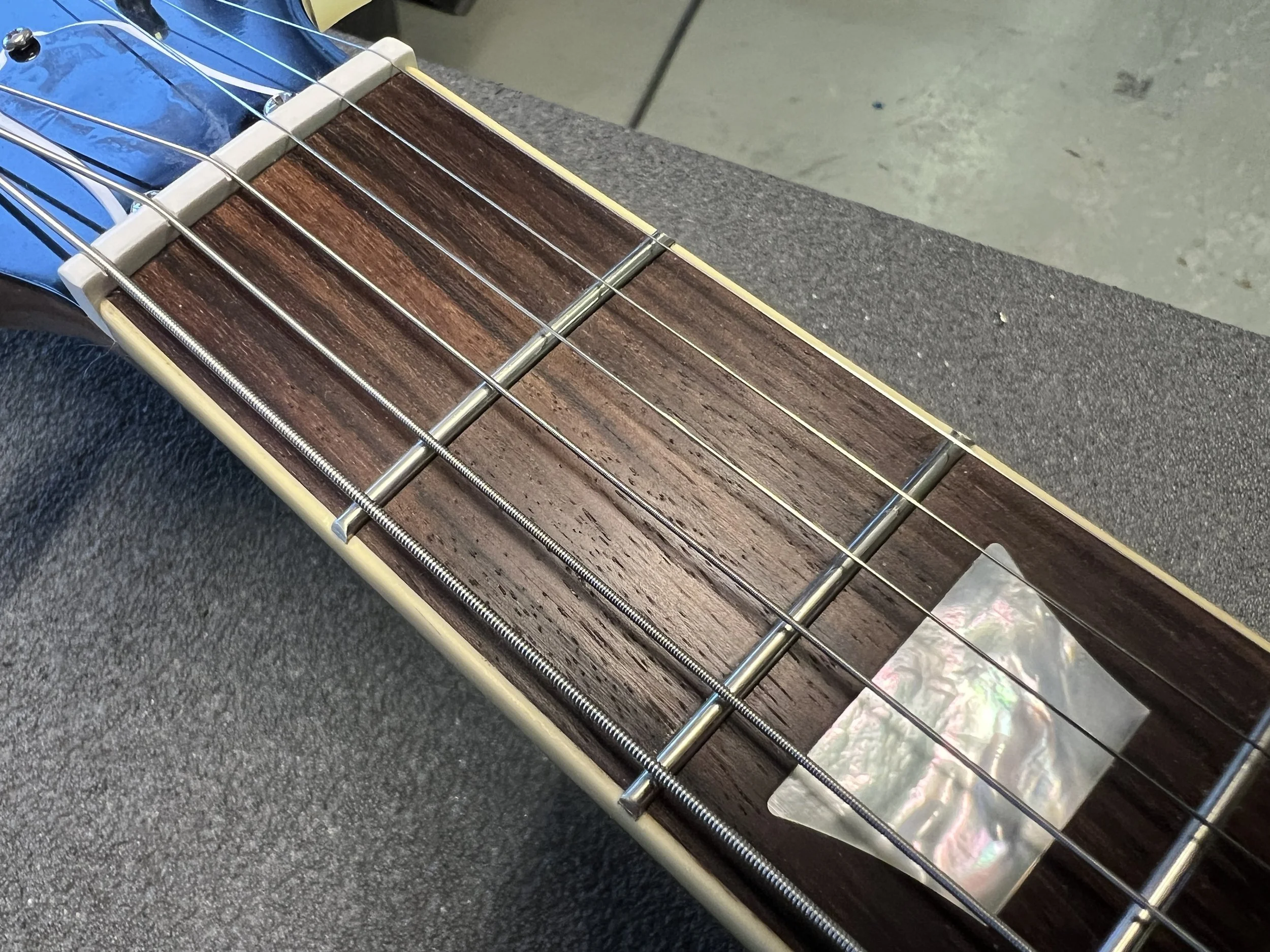
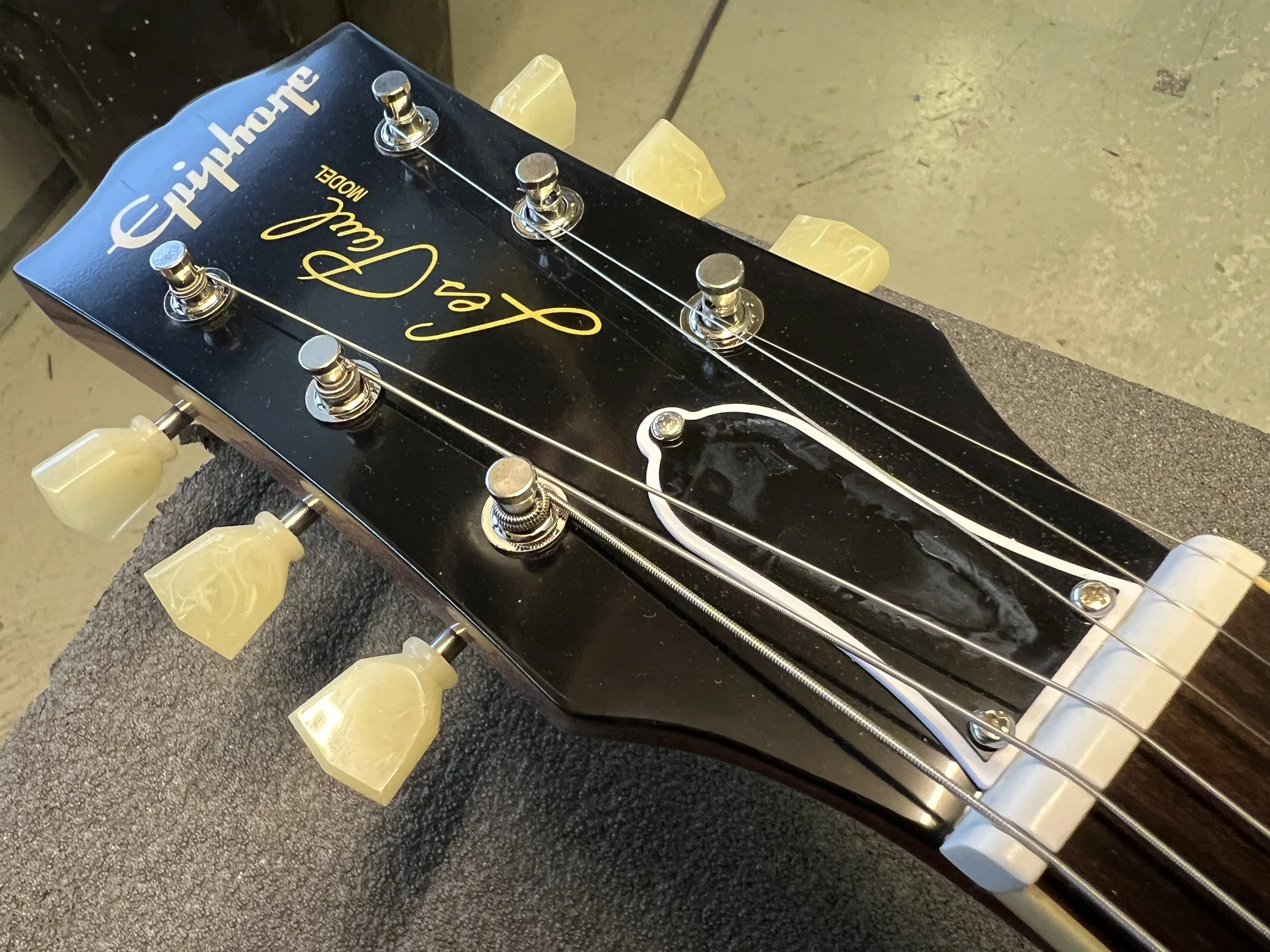
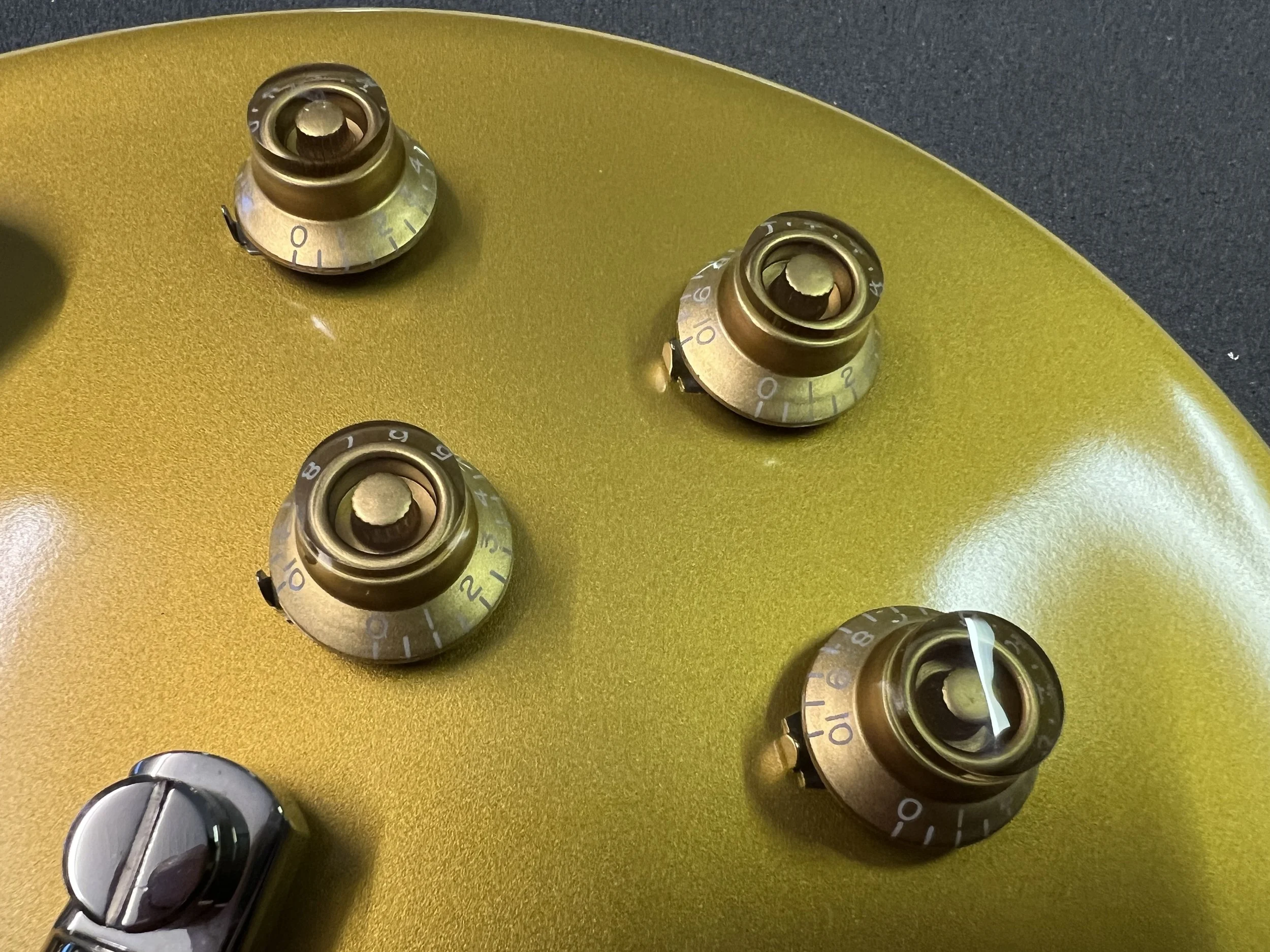
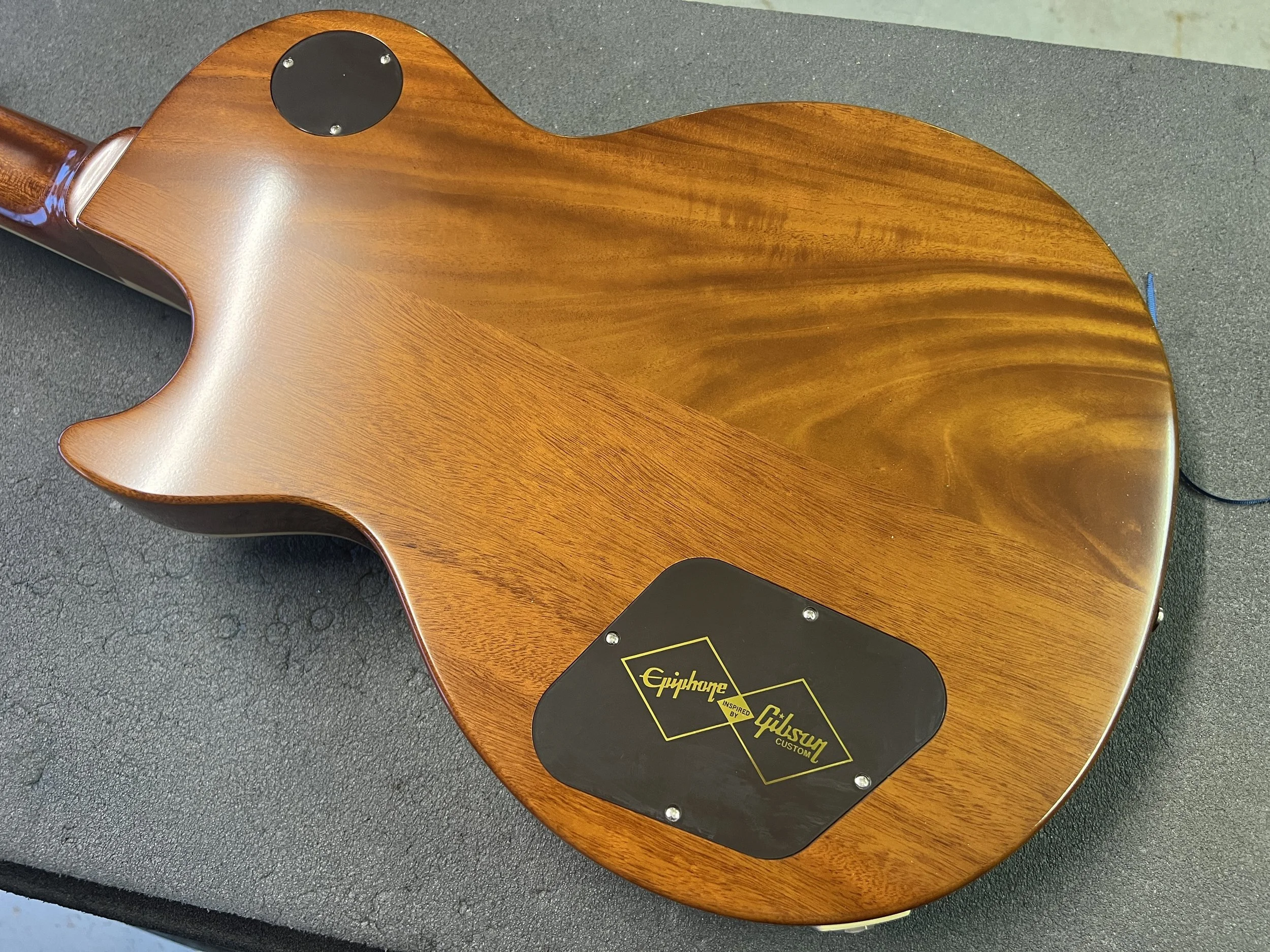
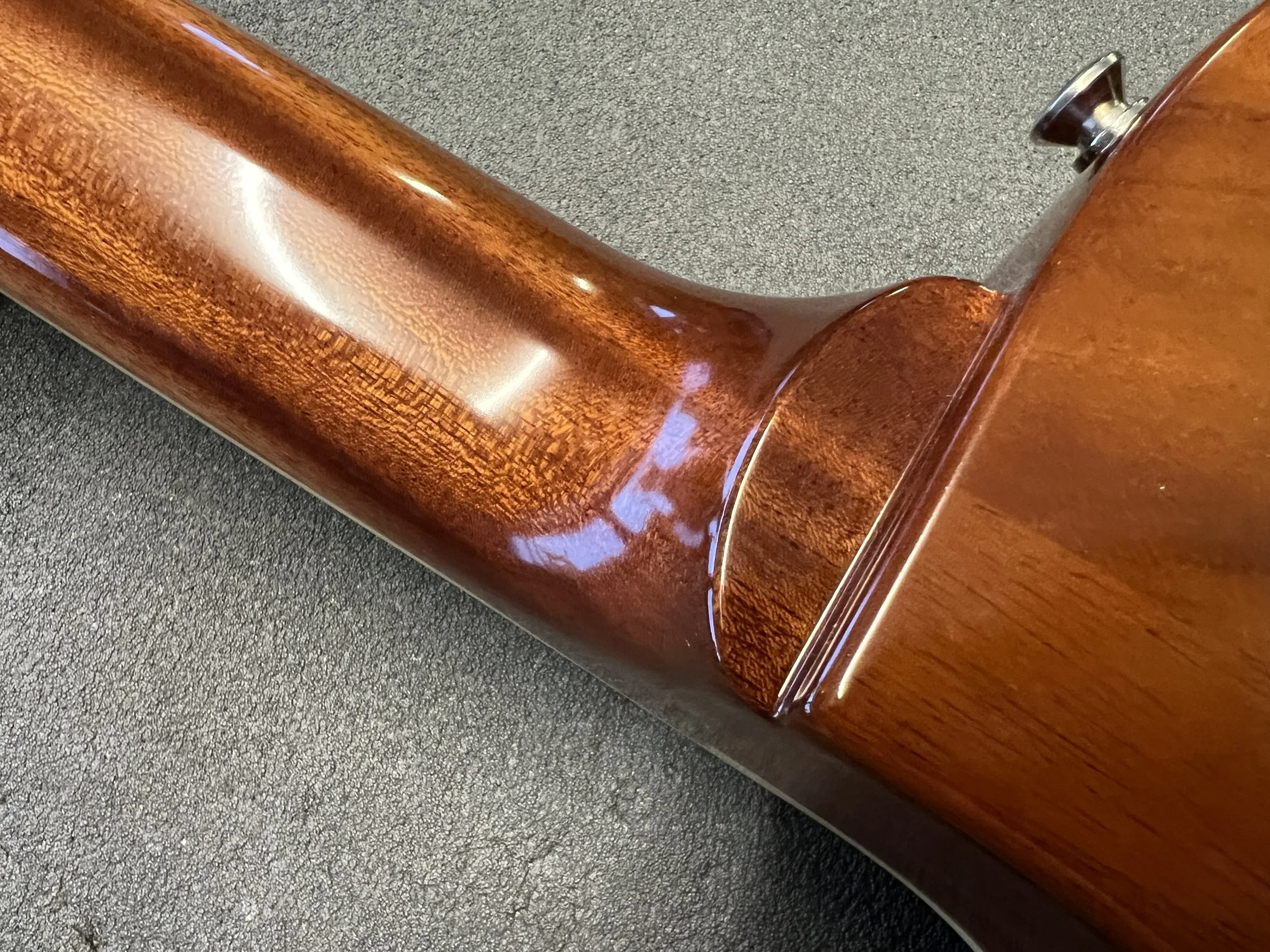
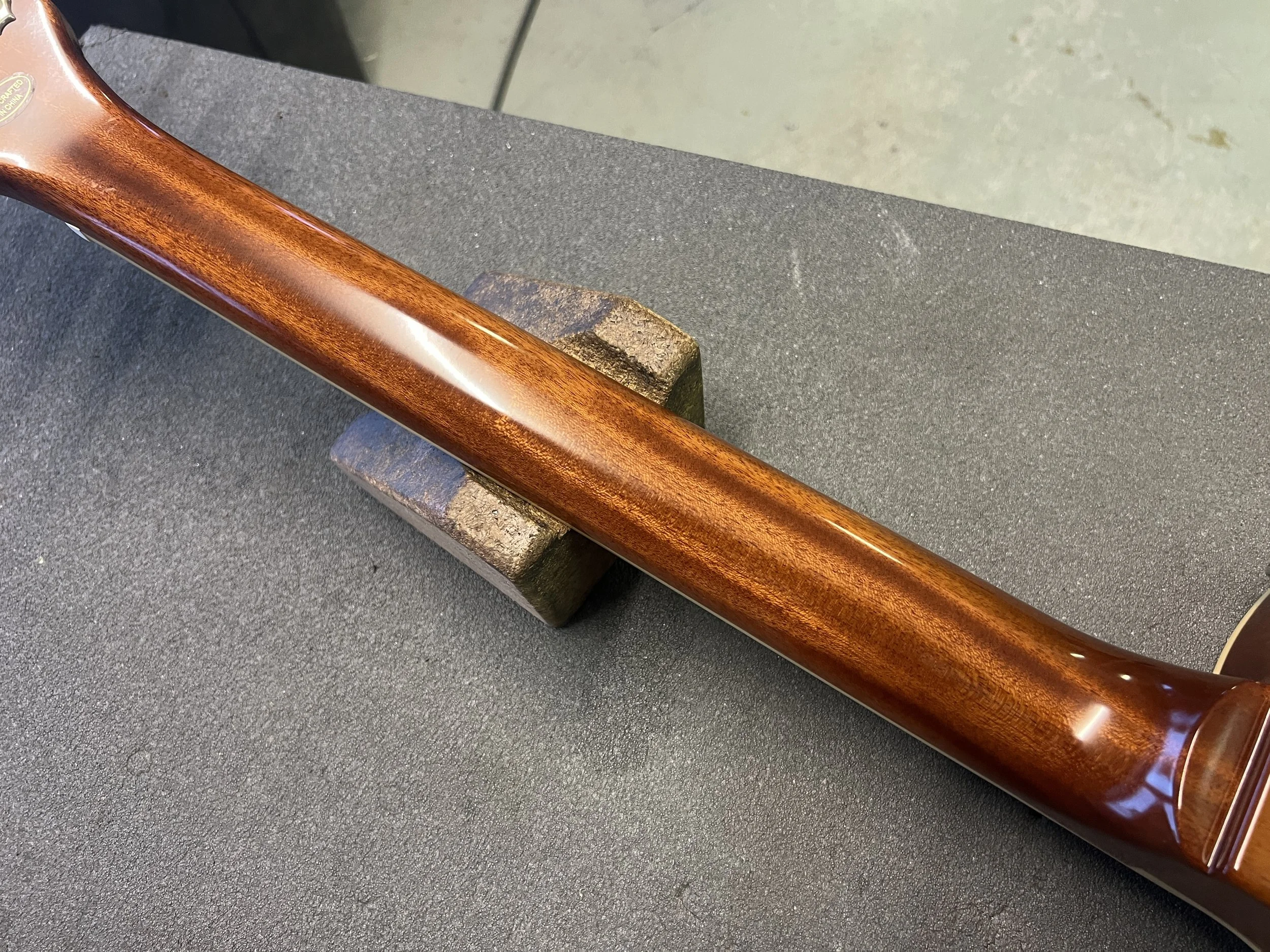
Ok, so the guitar comes with a similar brown case as the ES-355. If you read that review—well, the case is fine. It's just a case, alright? Let’s talk about the guitar. Out of the case, my first impression was the weight (4.4kg) and a chunky, lovely neck. Those two things jumped out at me first. Because this is a B-Stock guitar, I started looking for flaws, details, or blemishes to figure out why someone would return it. And sure, I did find a few bits here and there. The finish is not perfect, let me be honest. They aren’t details that will jump out at you at first sight—you really need to look for them—but at 1277€, it’s perhaps understandable why someone would return it.
Then again, I remember working on a 5k€ Jackson Chris Broderick with functional flaws. I’m not saying that at this price point finish details are "acceptable"; what I’m trying to say is that mass-produced products are prone to being overlooked. It’s up to you to decide if those details are something you can live with or not—like Tesla owners, for example :) A final thing about the look: it’s not satin like the ES-355, but it’s not super glossy either, especially on the top. That doesn’t bother me at all.
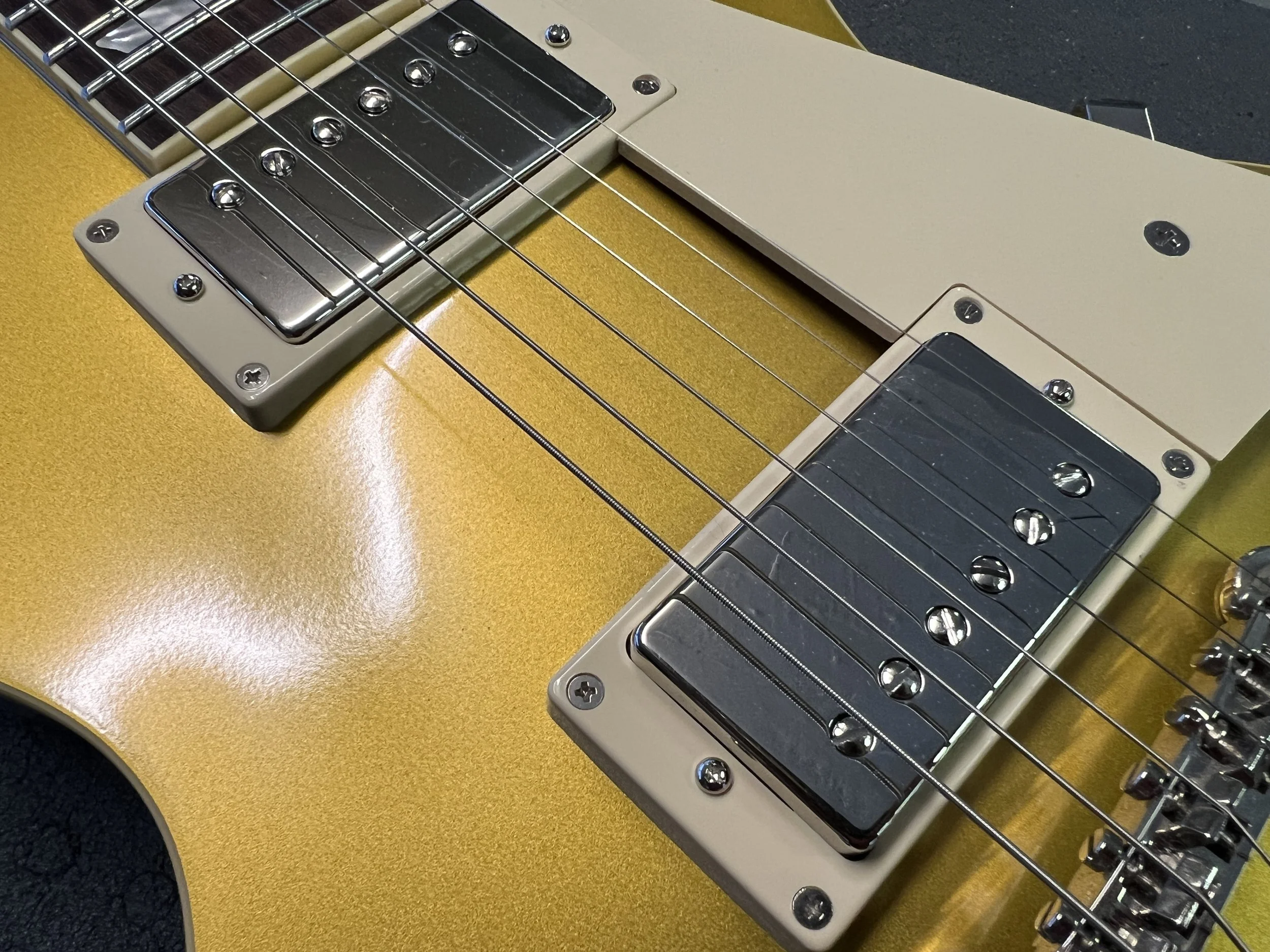
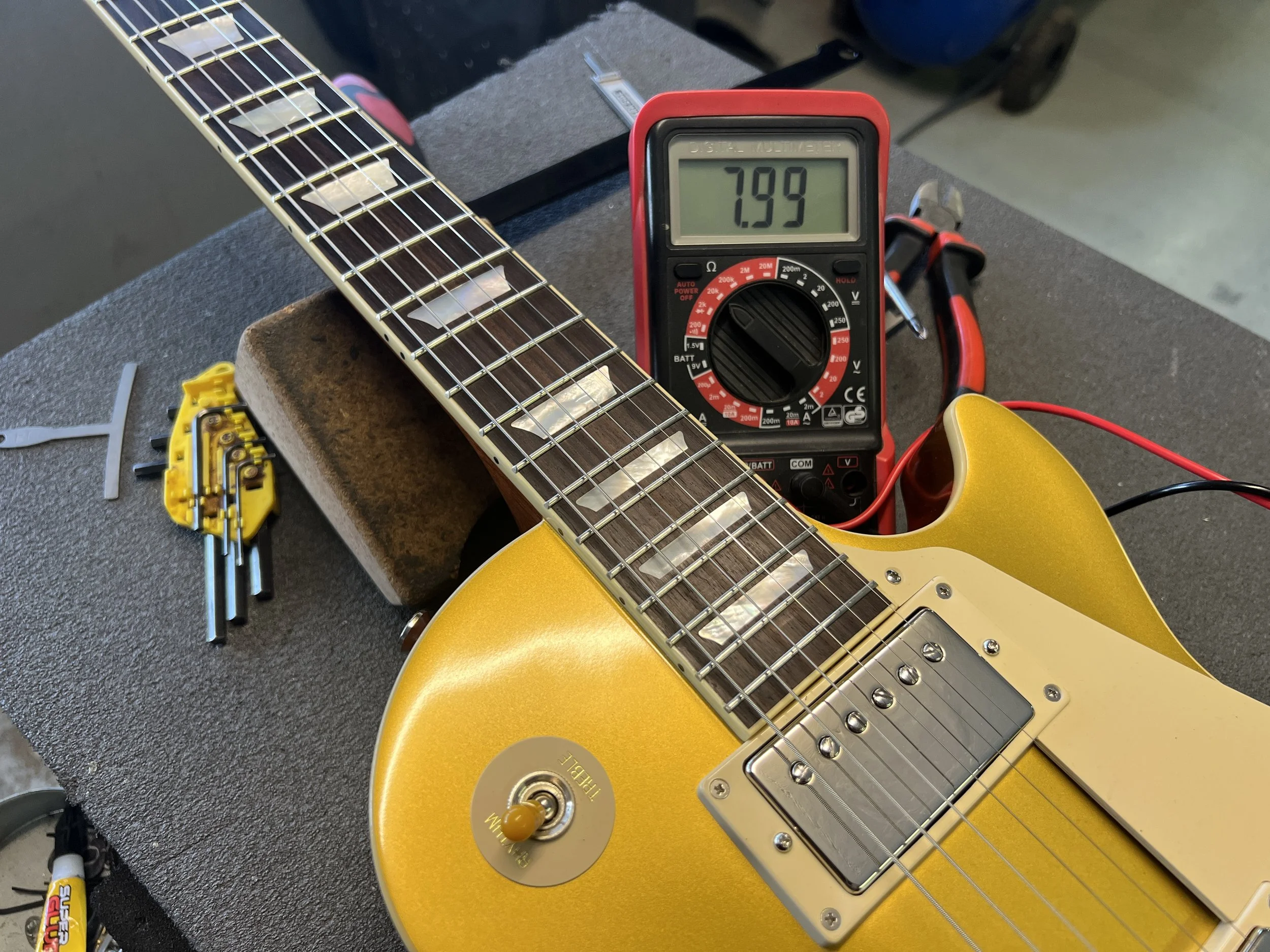
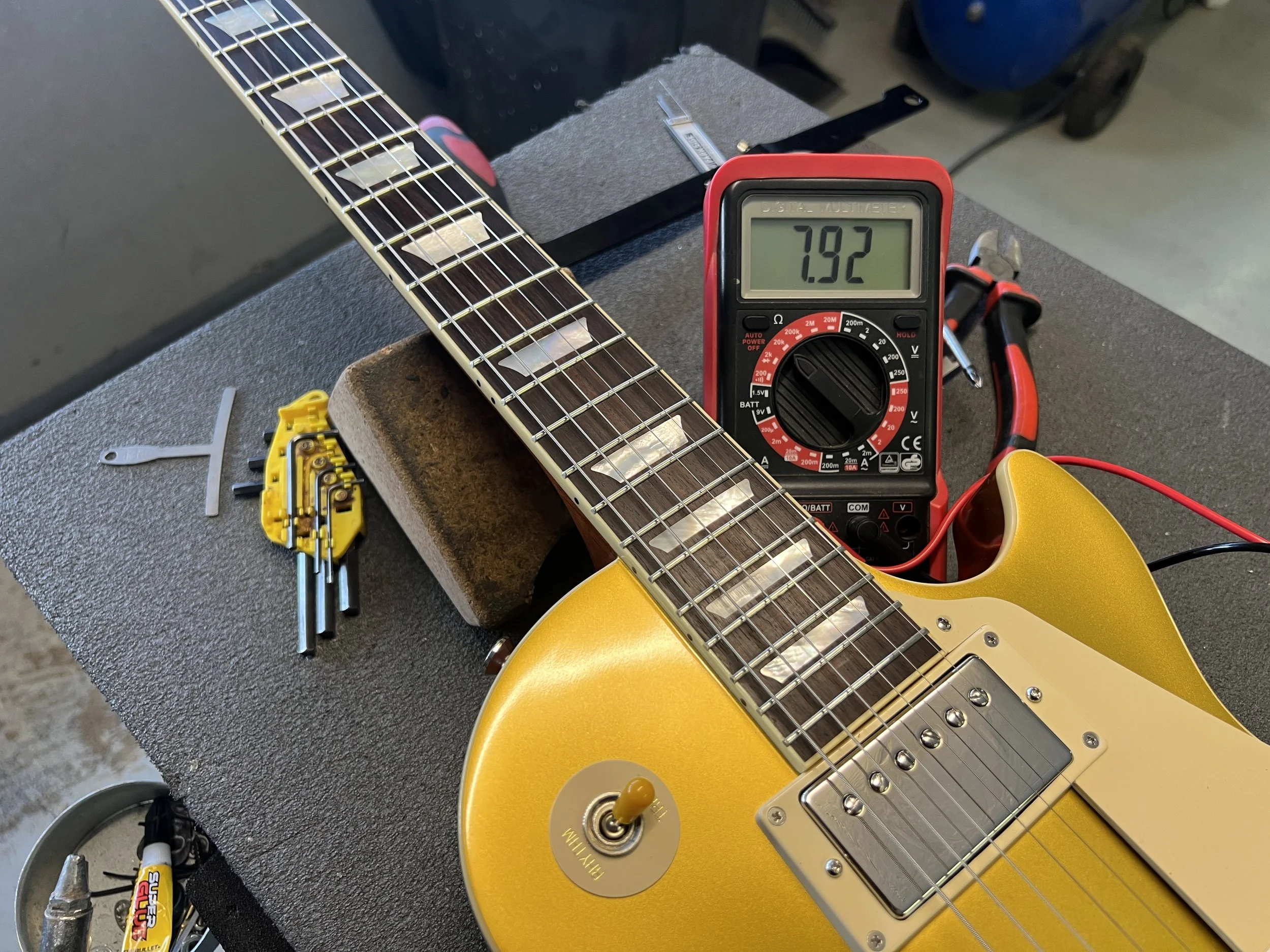
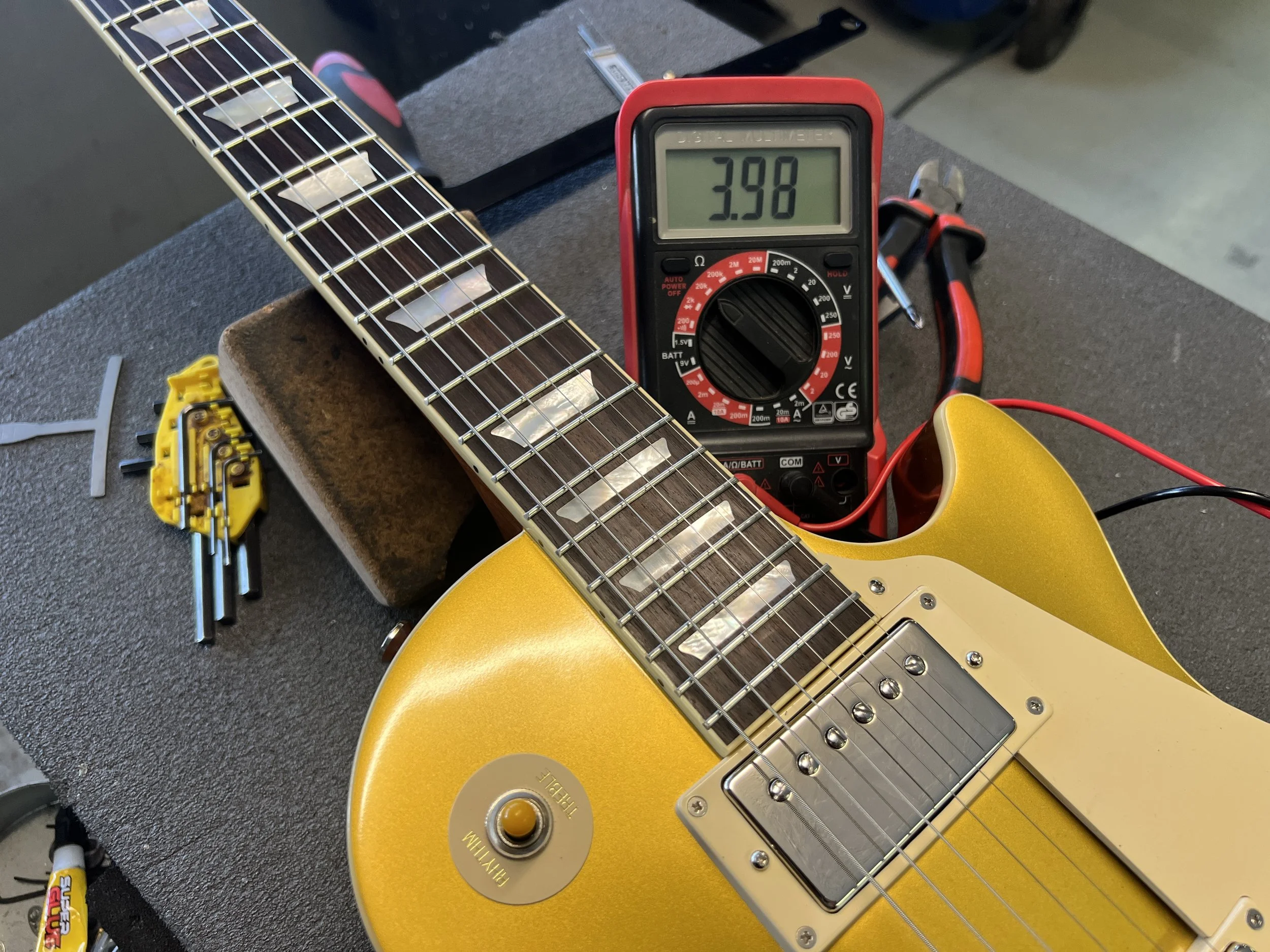
To the amp: sustain galore! This guitar has a sweet, singing, mellow ring. The colors coming from it are in the family of red wine, dark blue, dark purple, and even some terracotta. I mean this on both pickups. Sometimes you have guitars where you love one pickup but not the other, but in this case, they are just creamy. So much so that I sometimes forget I’m on the bridge pickup, particularly because nowadays I play a lot with the volume and tone pots. I forgot to measure the pickups in the ES-355 review, but I assume they are in the same range as these, which are just below 8k ohms.
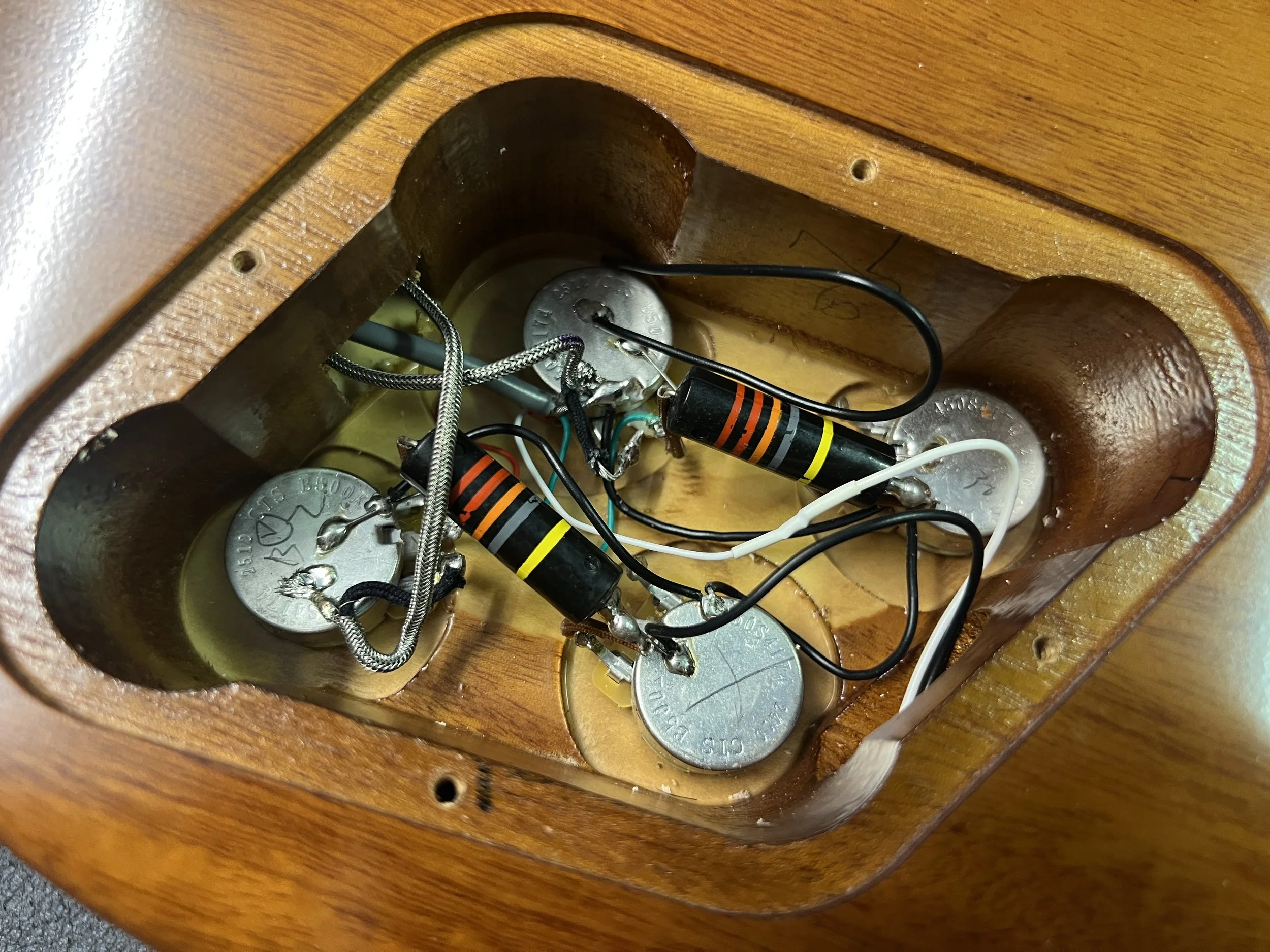
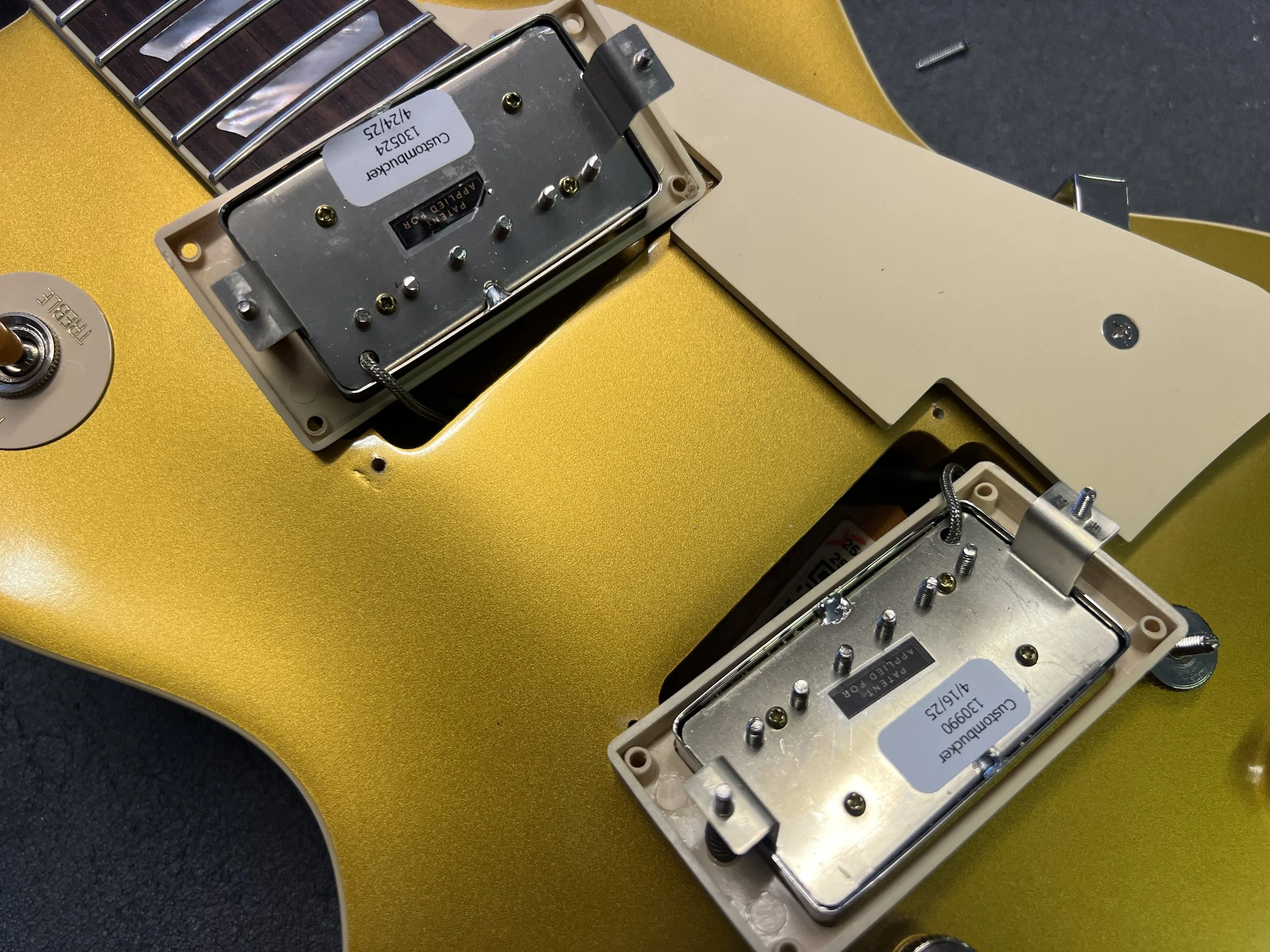
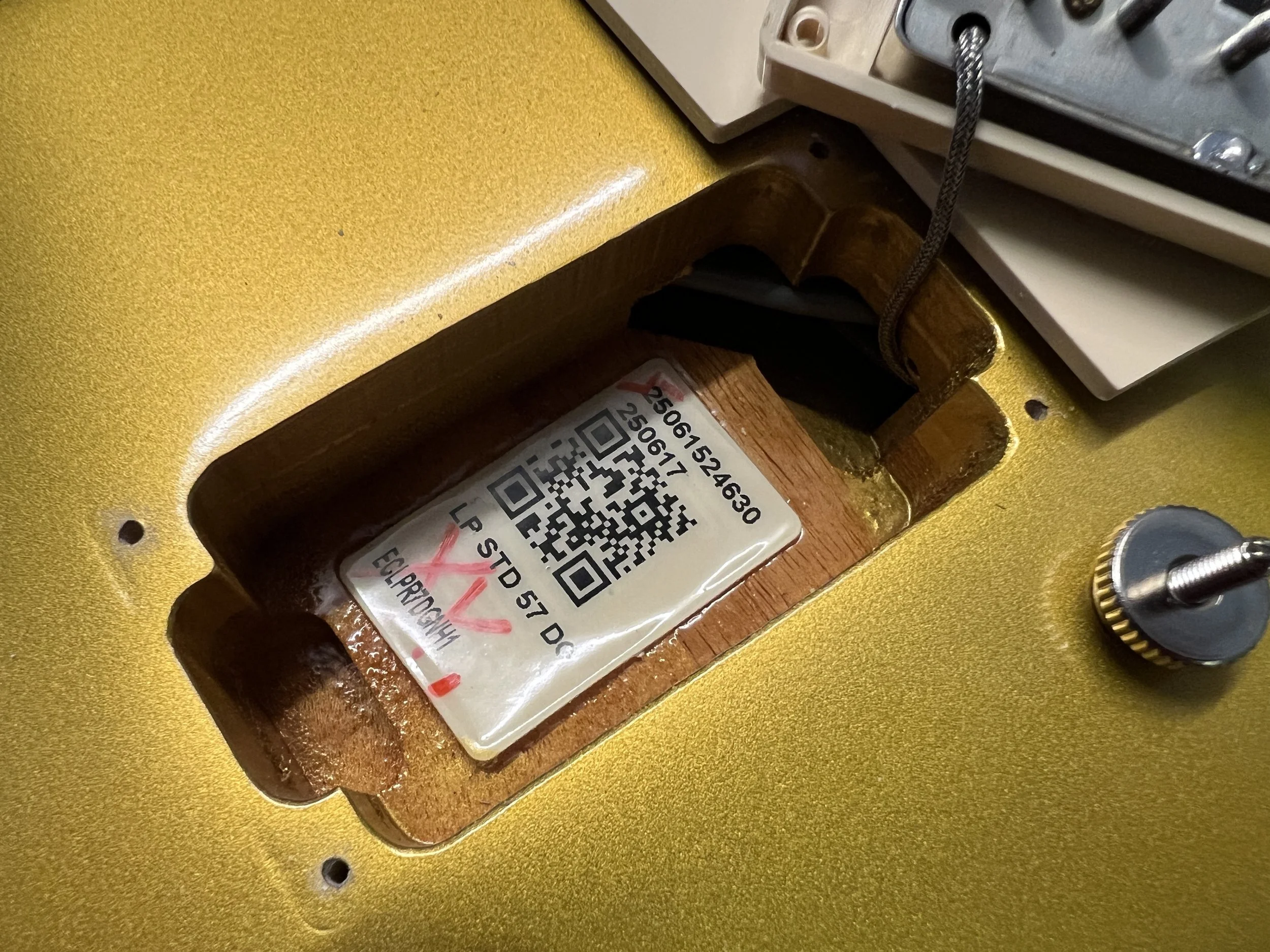
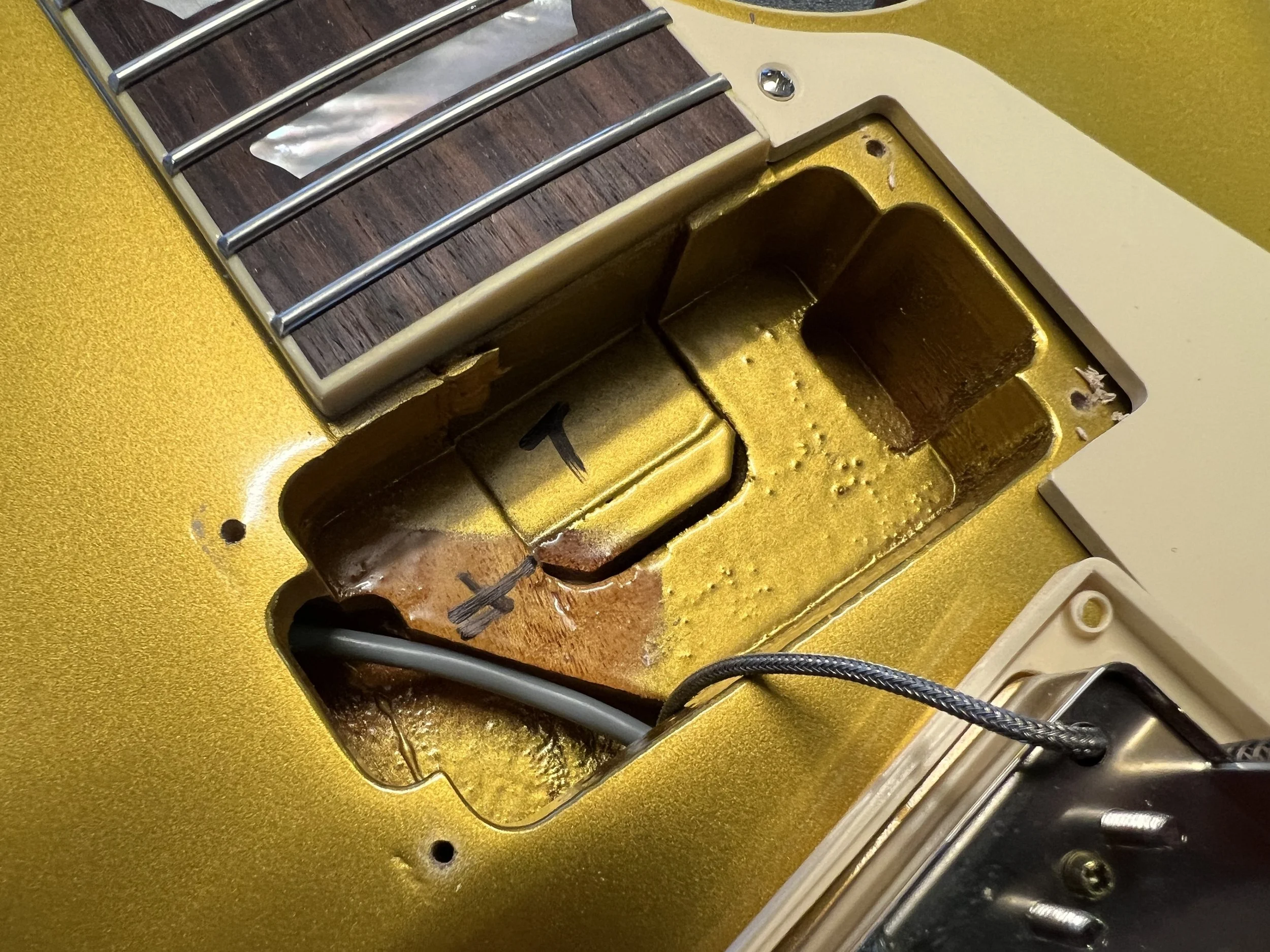
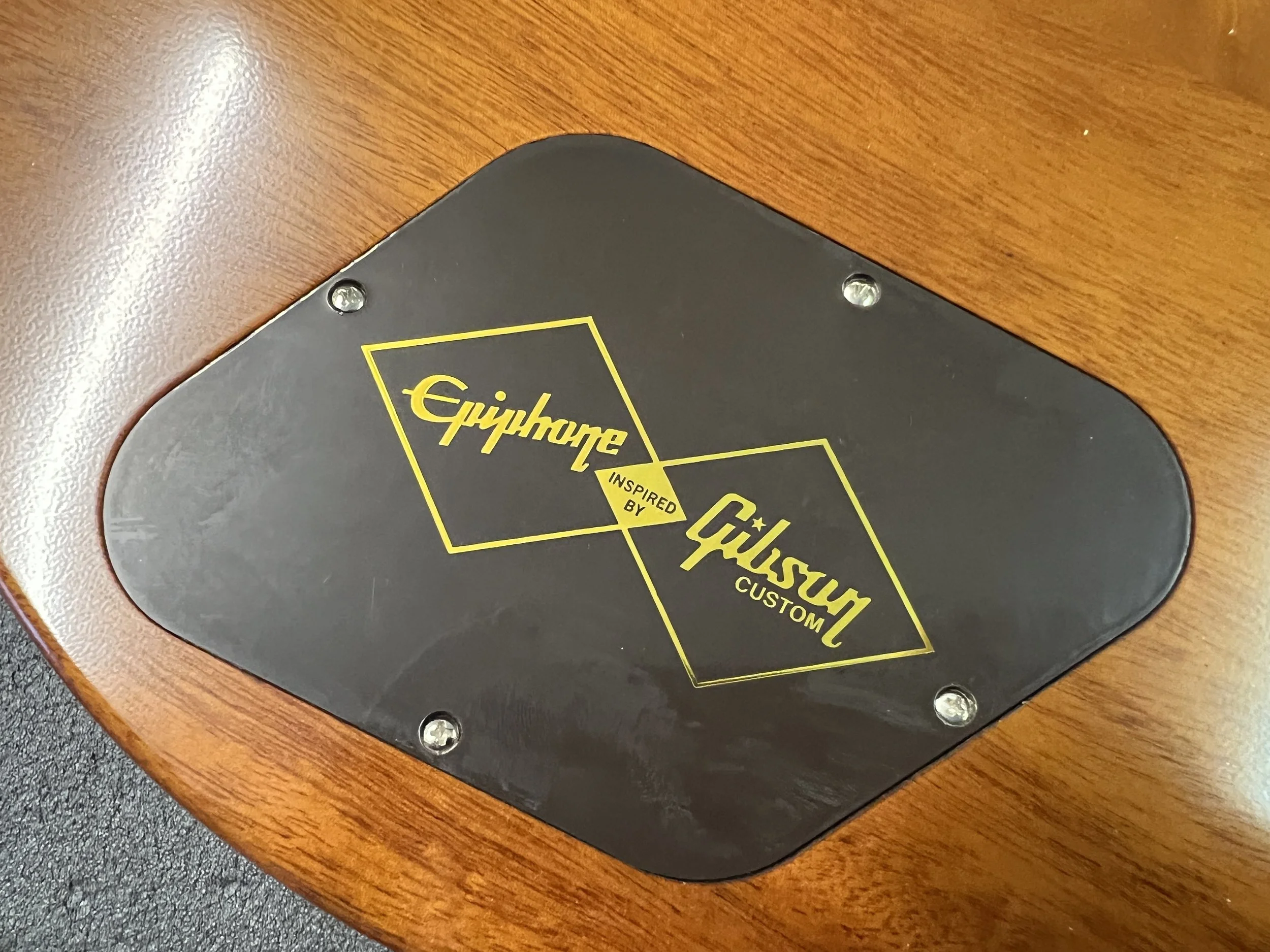
Continuing with the electronics: under the back cover you’ll find CTS pots, bumblebee capacitors, Switchcraft parts, etc. I don't need to write down the specs; if you are reading this, you probably know them already. As for the wiring craftsmanship... meh. Everything is functional but not pretty; it looks a bit rushed in my opinion. In my case, everything works as it should, so no complaints, but looking at this I can assume it’s possible some units could have wiring issues. Again, if you bought it new, just ask for a replacement. If you bought it used—well, to be honest, a rewiring job is something you could do yourself. And if not, contact your local guitar tech (wink, wink).
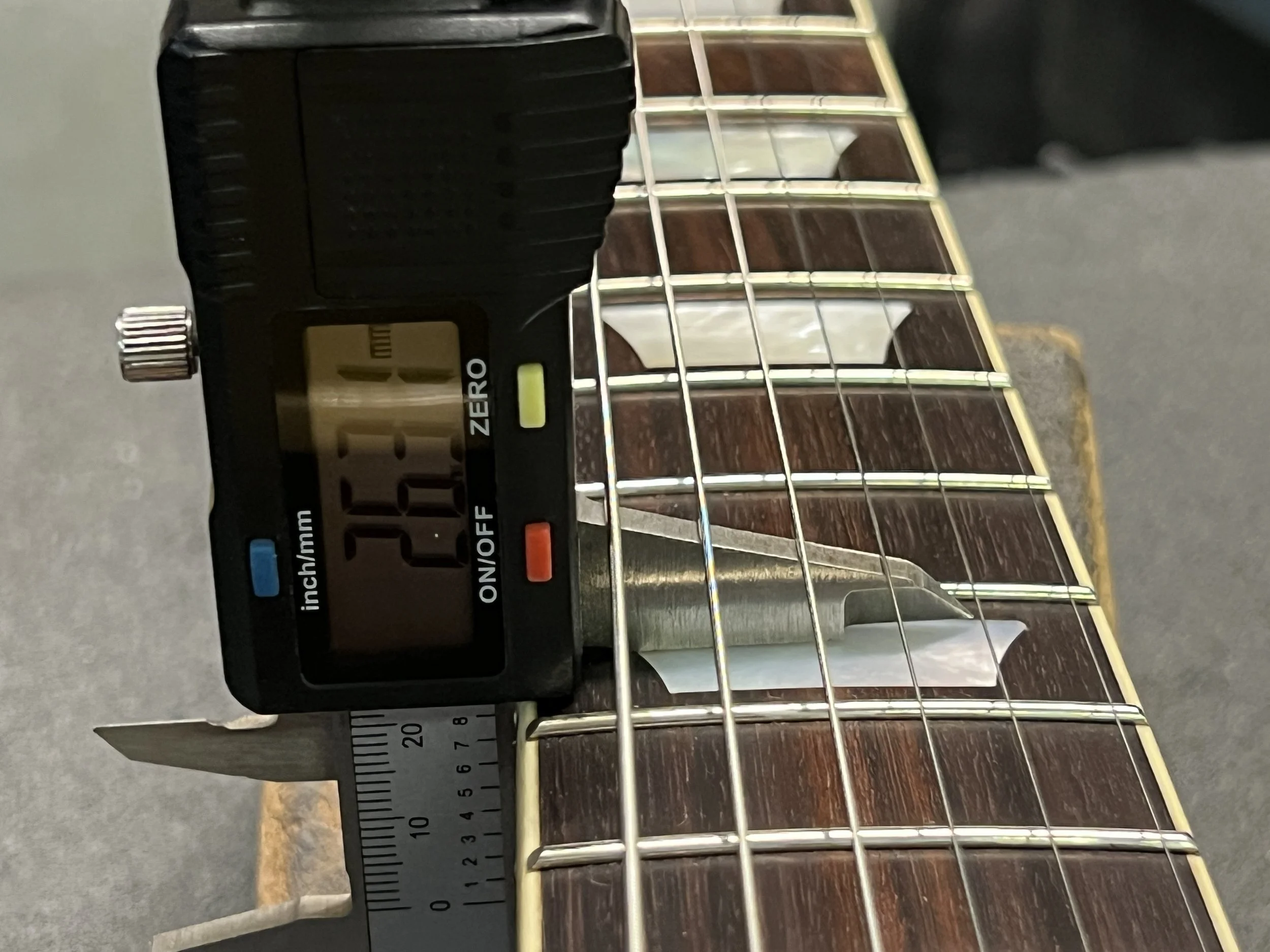
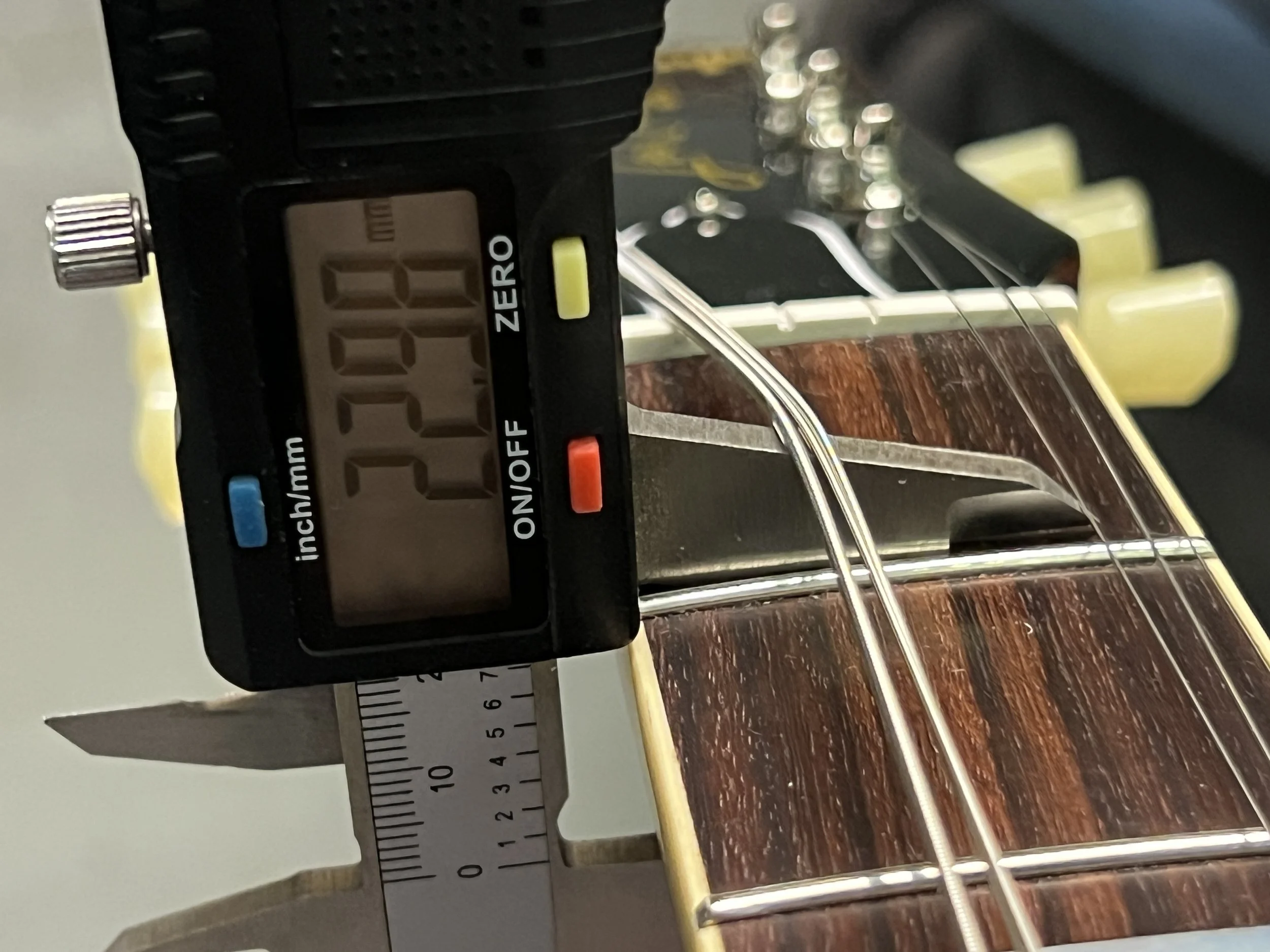
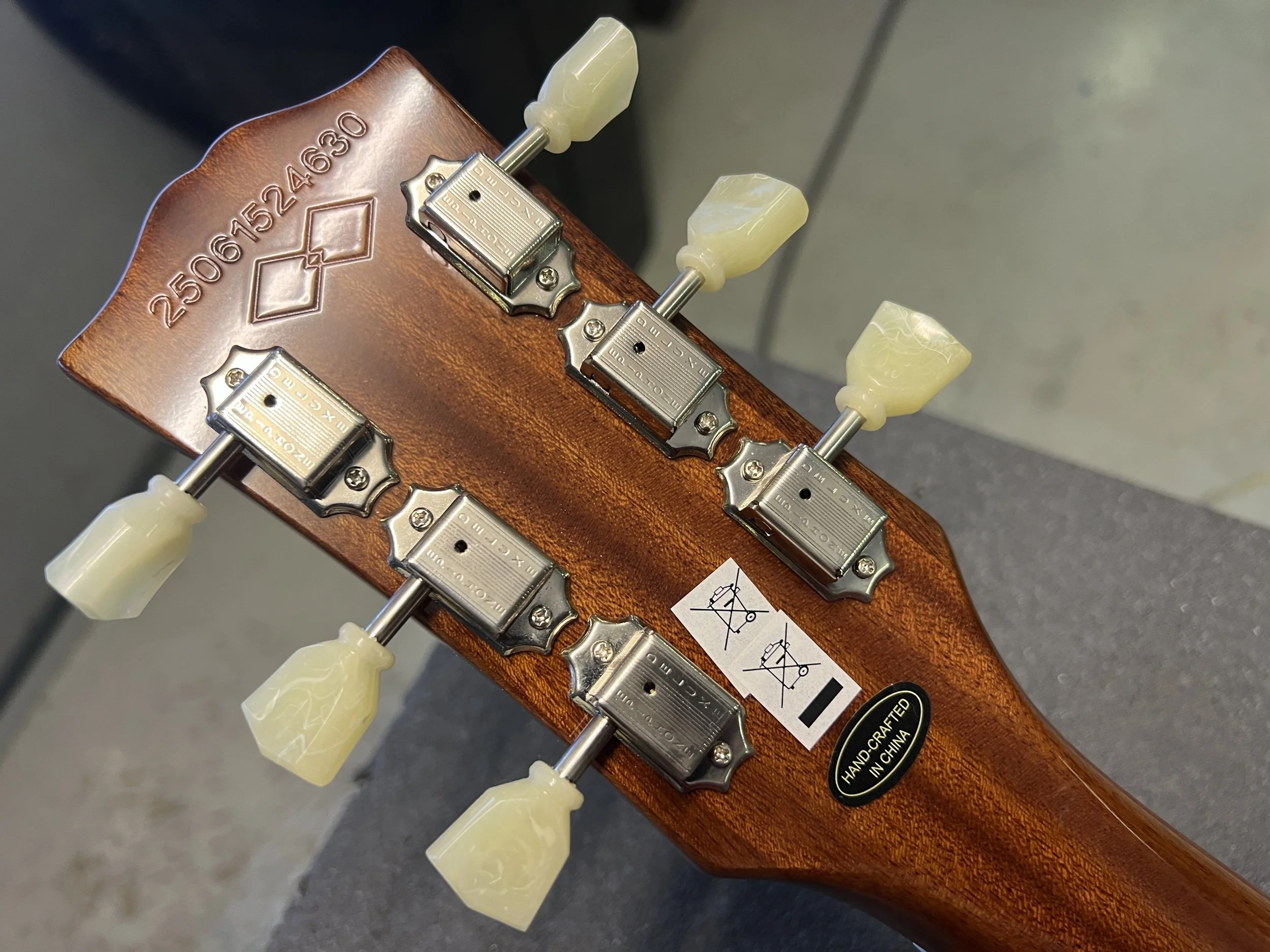
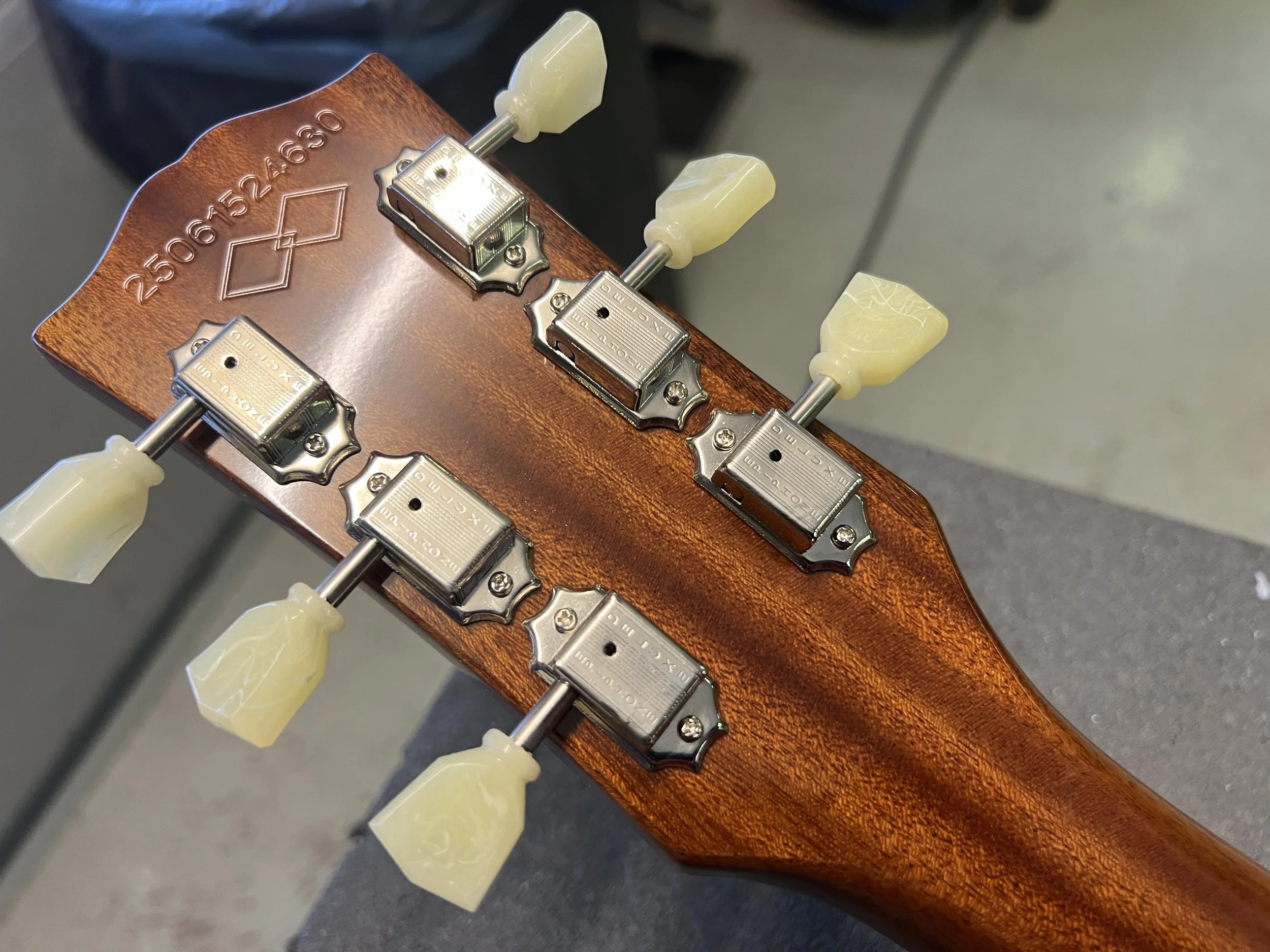
Feel and the rest of the bits and pieces: The neck is chunky, but somehow the ES-355 feels wider. But "I Like Fat Necks and I Cannot Lie," so this neck is just fine by my standards. The fretboard is Rosewood—a very dark piece in this case. I oiled and cleaned it, but to be honest, it was fine. I can't say if this was done by the previous owner, Thomann, or if it came like this from the factory. As for the frets, they are skinny. They're supposed to be Medium Jumbo, but to me, they're a bit "anorexic" for Medium Jumbos, to be honest. I’m not going to measure them; they are fine. The fret job was acceptable—actually more than that, it was okay. Sure, they needed more polishing, but as a tech, I can say this guitar at least had a good fret job. I polished them anyway, though :) The nut is done well. I might lower the action at the nut later as I did with the ES-355, but it’s okay as it came. The tuning keys are surprisingly good. I haven't researched who makes these "Epiphone Deluxe" keys, but they feel good. So, all in all, like I said in the beginning: this guitar doesn’t need any upgrades. None. Zero. Nada.
As for playability, I’m just enamored. It feels so good. Even though it's a mass-produced guitar, the outcome is cohesive. This is not just a "version" of something—a cheaper version of X—and that’s why, whenever I talk about IGC now or in the future, I will consider them independently from their cousins. I explained this in the ES-355 review: if you buy this guitar thinking it will serve you while you save for the "real Gibson Les Paul Gold Top," you’ll be wasting money, time, and satisfaction. This guitar is amazing. It’s a keeper for my collection. As a person who has worked on almost every brand in the world, I can say this guitar is unique—particularly because I just see IT and play IT while it's in my hands, without assuming what could’ve been or where it came from. Buy what you want, play what you have!