
The Honest ES-355: Why an Epiphone Isn’t a Gibson (and Why That’s Okay)
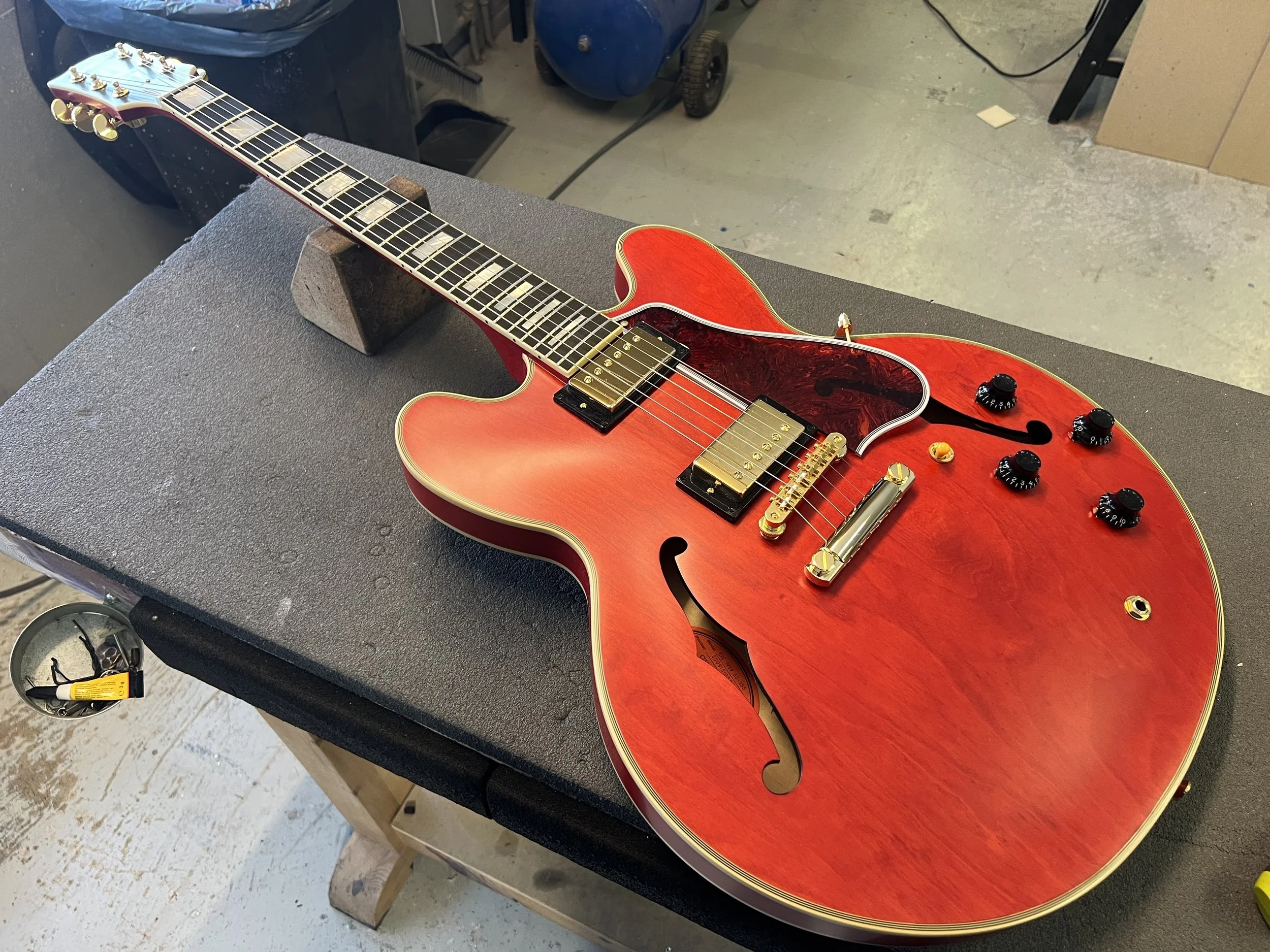
Epipone ES-355 1959 IGC
For a blog-style reviewing site with the title Ol’Fenders, reviewing a Gibson-style guitar feels a bit odd. But since I just like guitars and I don’t discriminate, here I go.
This is the first Epiphone IGC guitar I’ve tried—that stands for "Inspired by Gibson Custom." To be honest, this whole IGC and even the IBG line flew under my radar for a long time. It was only recently that I started paying attention to them, maybe because I tend to focus more on the offset body world of guitars.
Anyway, I was looking at the Epiphone Korina '58 IGC lineup and it was very appealing. I even dropped a couple of them in my cart at Thomann—the Explorer and the Flying V. Just before I went forward with the purchase, I started looking at the rest of the IGC lineup and this ES-355 stood out. Maybe it's because I’m a big Yamaha fan; ever since I sold my Yamaha SA2200, that semi-hollow world has never felt complete. By the way, I will regret selling that guitar forever. I truly will.
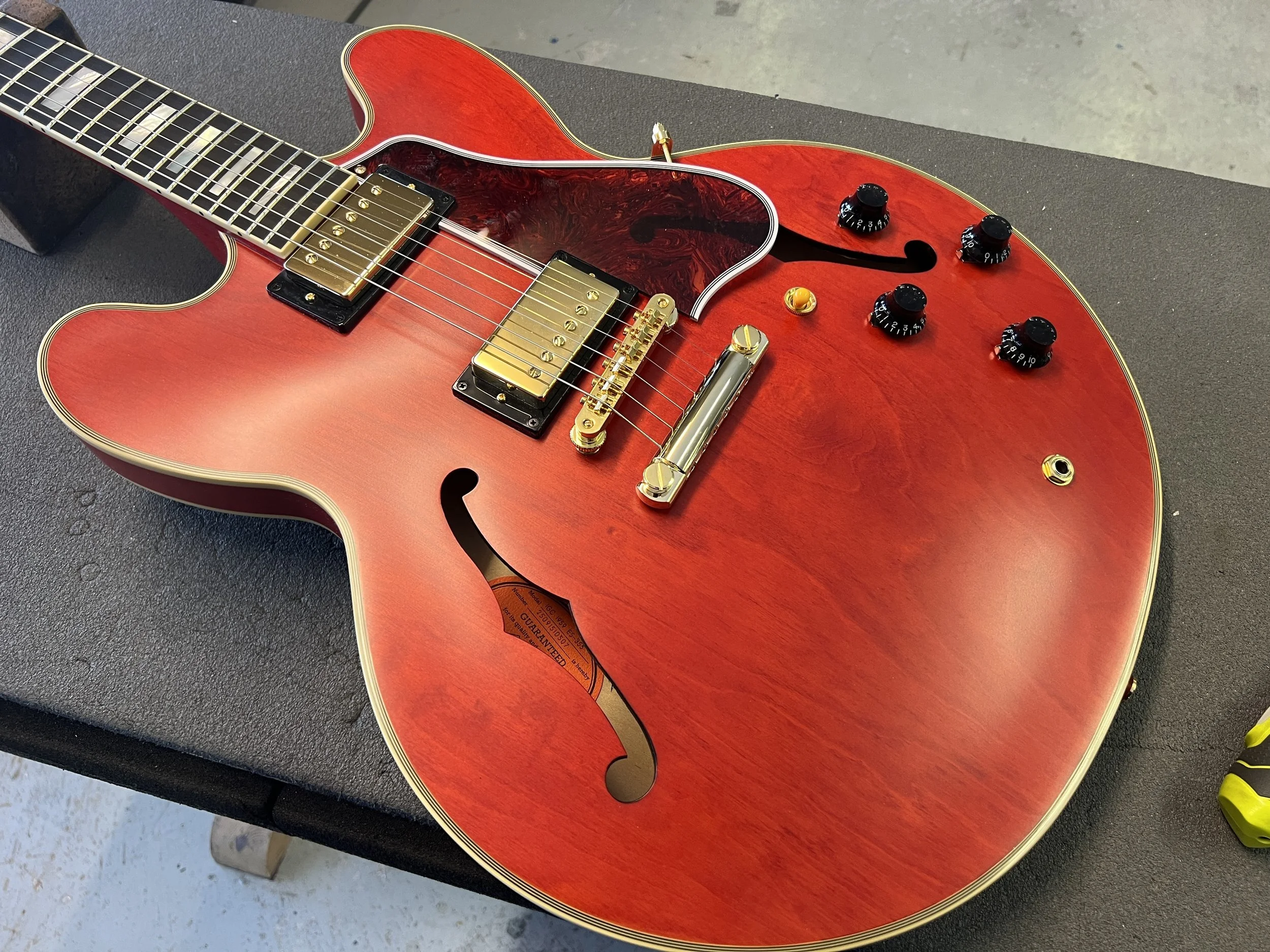
Iphone ES-355 1959 IGC
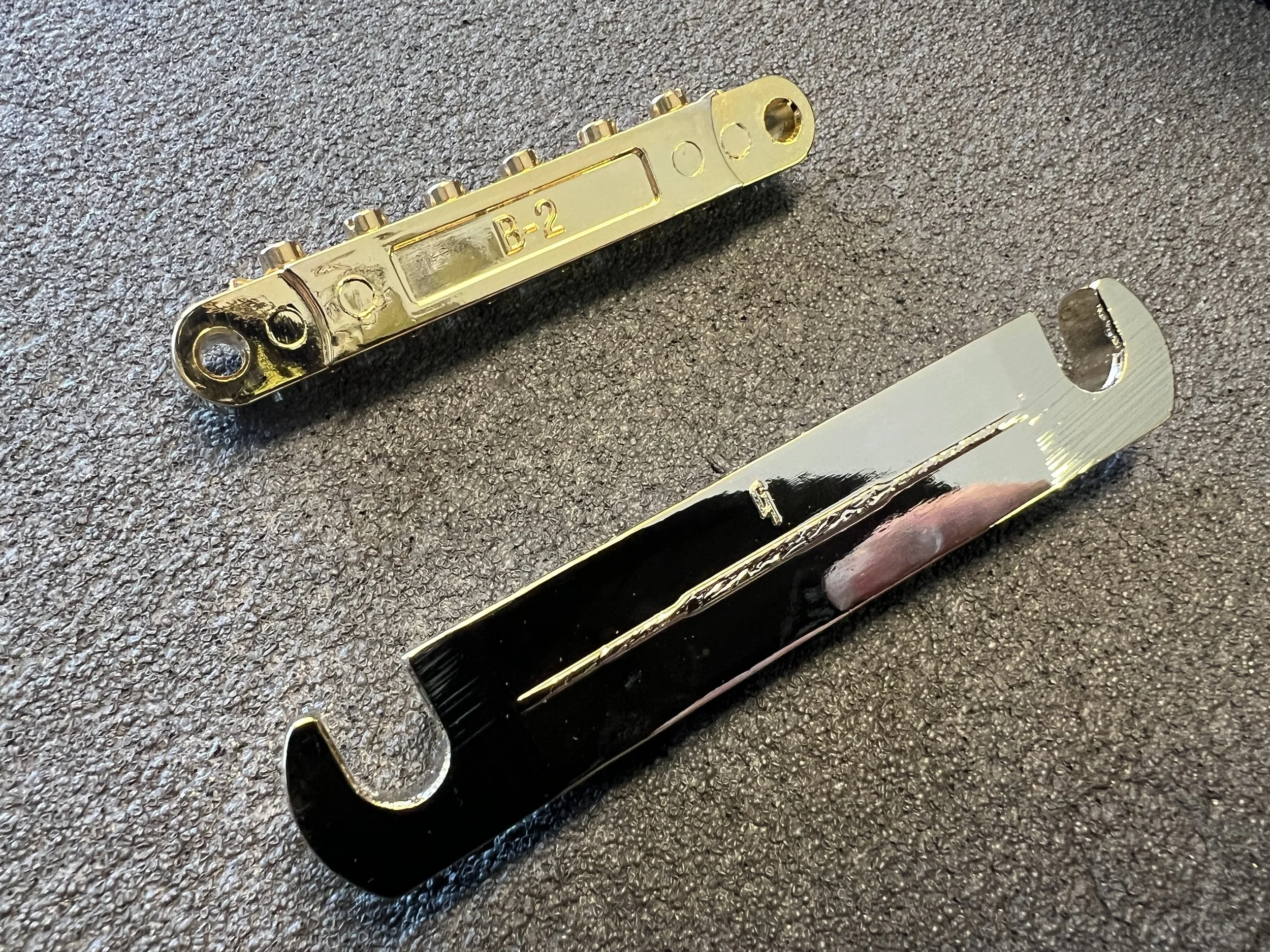
In my research, I found it sitting at 1330€—not exactly cheap, but still 1,000€ cheaper than the SA2200. Then I saw they come with original Gibson Custombuckers, CTS pots, Switchcraft parts, proper tuners, etc. I was getting more excited about the idea of getting this guitar. The "Made in China" tag doesn’t scare me at all; in fact, the country of origin doesn’t concern me anymore, and I’m glad of that. Volume and mass production are the real keywords here. Like any other middle-aged man, I started watching videos, reading reviews, and diving into the comments. There I found the expected: people saying it’s very good for the money, videos comparing it to a Gibson ES-355 Custom Shop, and then those comments. “1000€+ for an Epiphone? Hell no!” or “That looks cool, but I won’t even buy an Epiphone” or “Those guitars come with horrible fret work.” You know the type—typical angry, jealous people talking out of their asses without real experience. I decided I was interested, and I was the only one who could answer those questions for myself.
I bought the guitar, though not from Thomann because it wasn't available there at the moment. I bought it from their competition, musicstore.de. I have to remark that the shipping was crazy fast; from Germany to Finland in about eight days. That is impressive.
It came in a brown case, the type often associated with Gibson sunbursts from the '50s. Sure, in this case, it’s a Chinese-made case. I’m a "cork sniffer," but if I had to start criticizing guitar cases, that’s just too much cork-sniffing even for me. To be honest, I would rather they took that money out of the price and just sent a good gig bag. I don't care for those types of things; it doesn’t add value in my head.
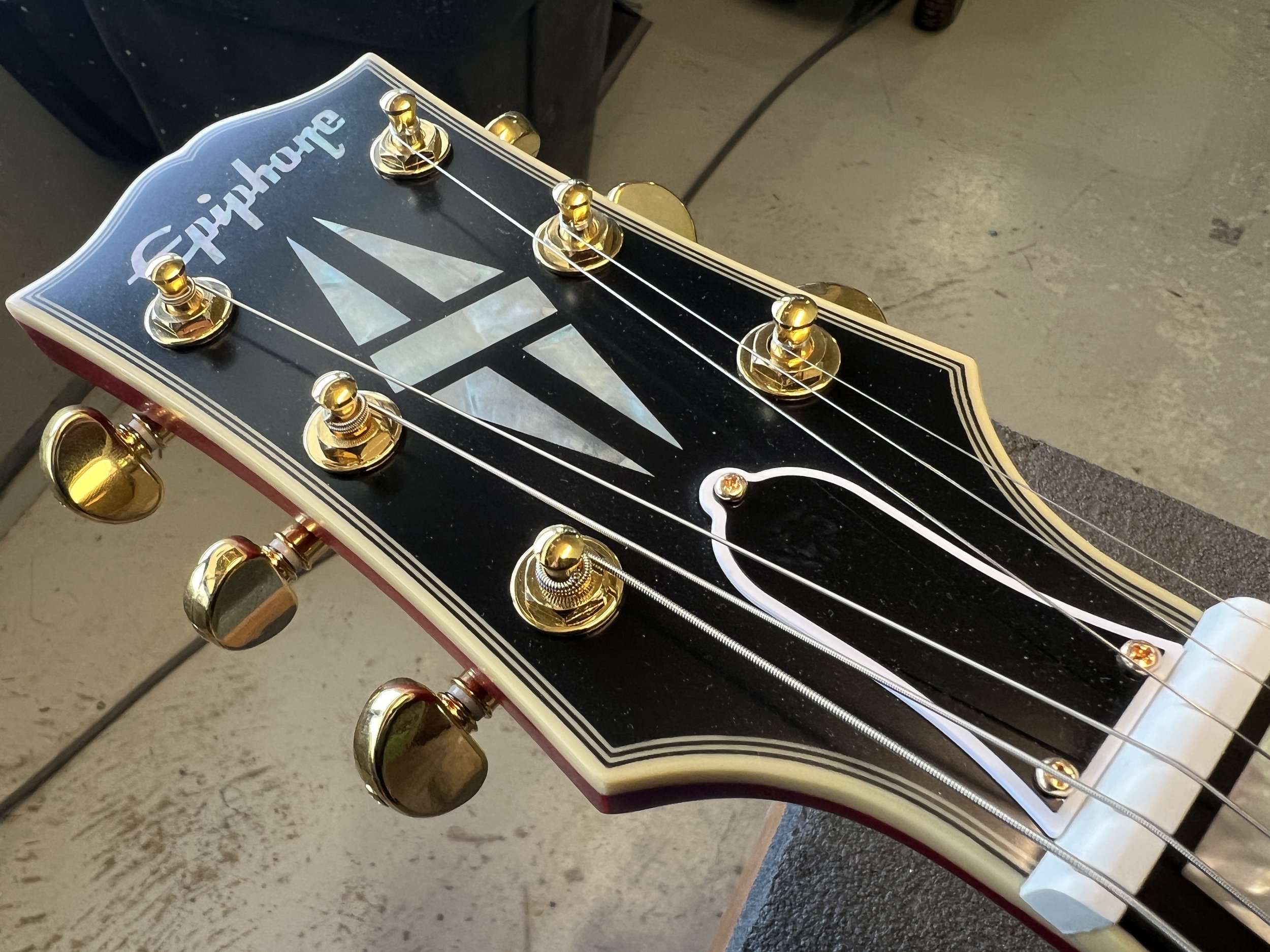
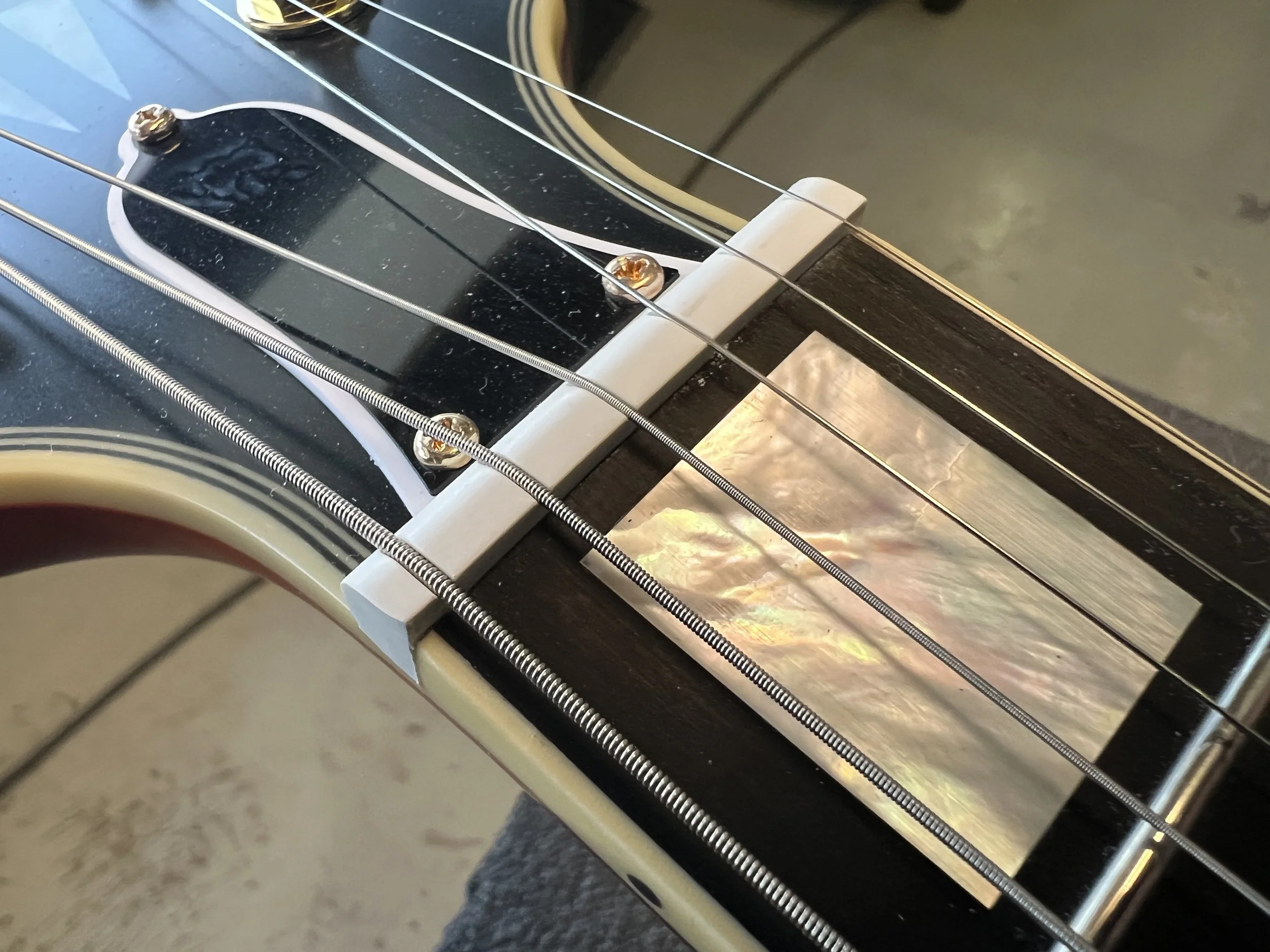
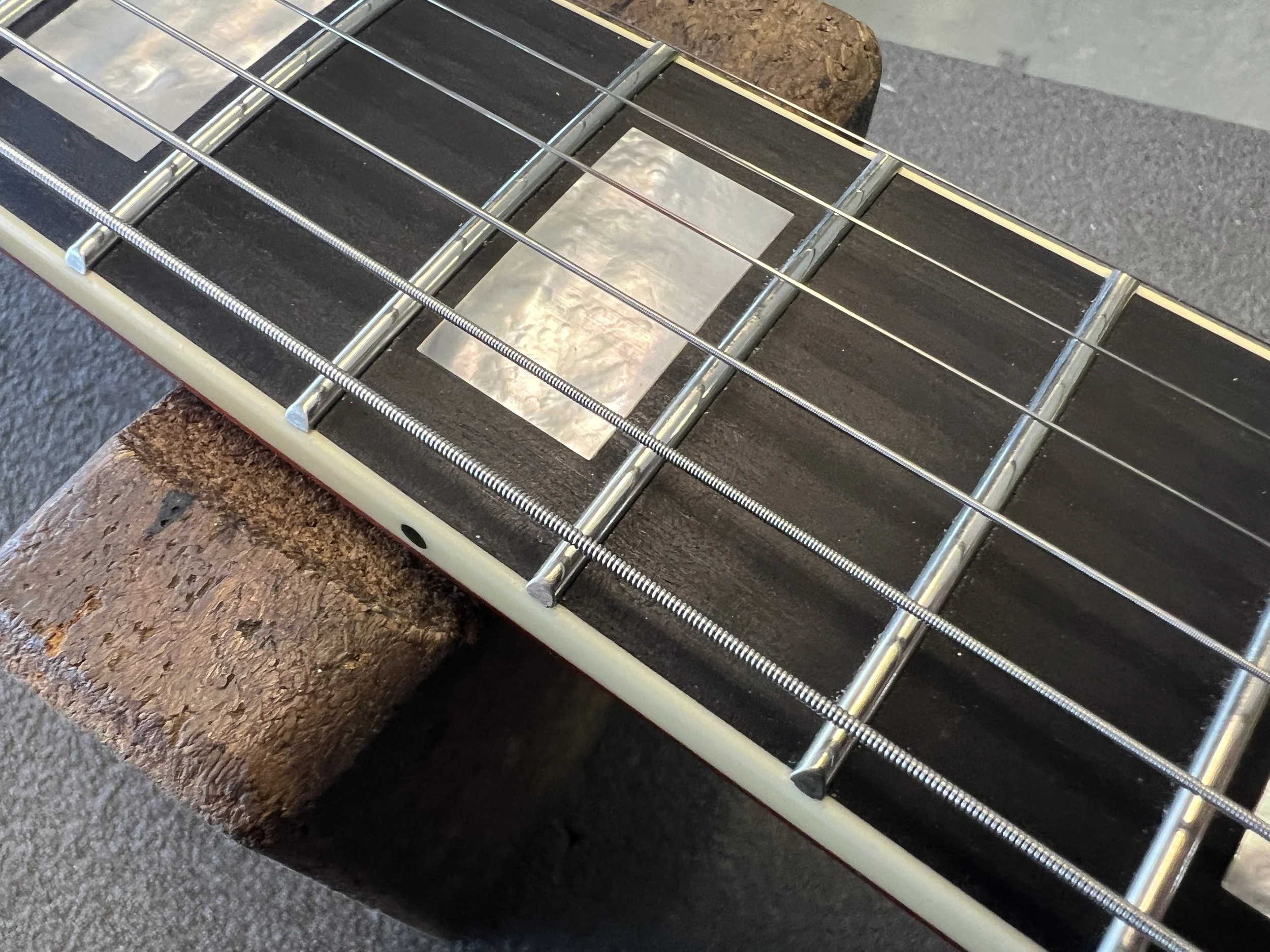
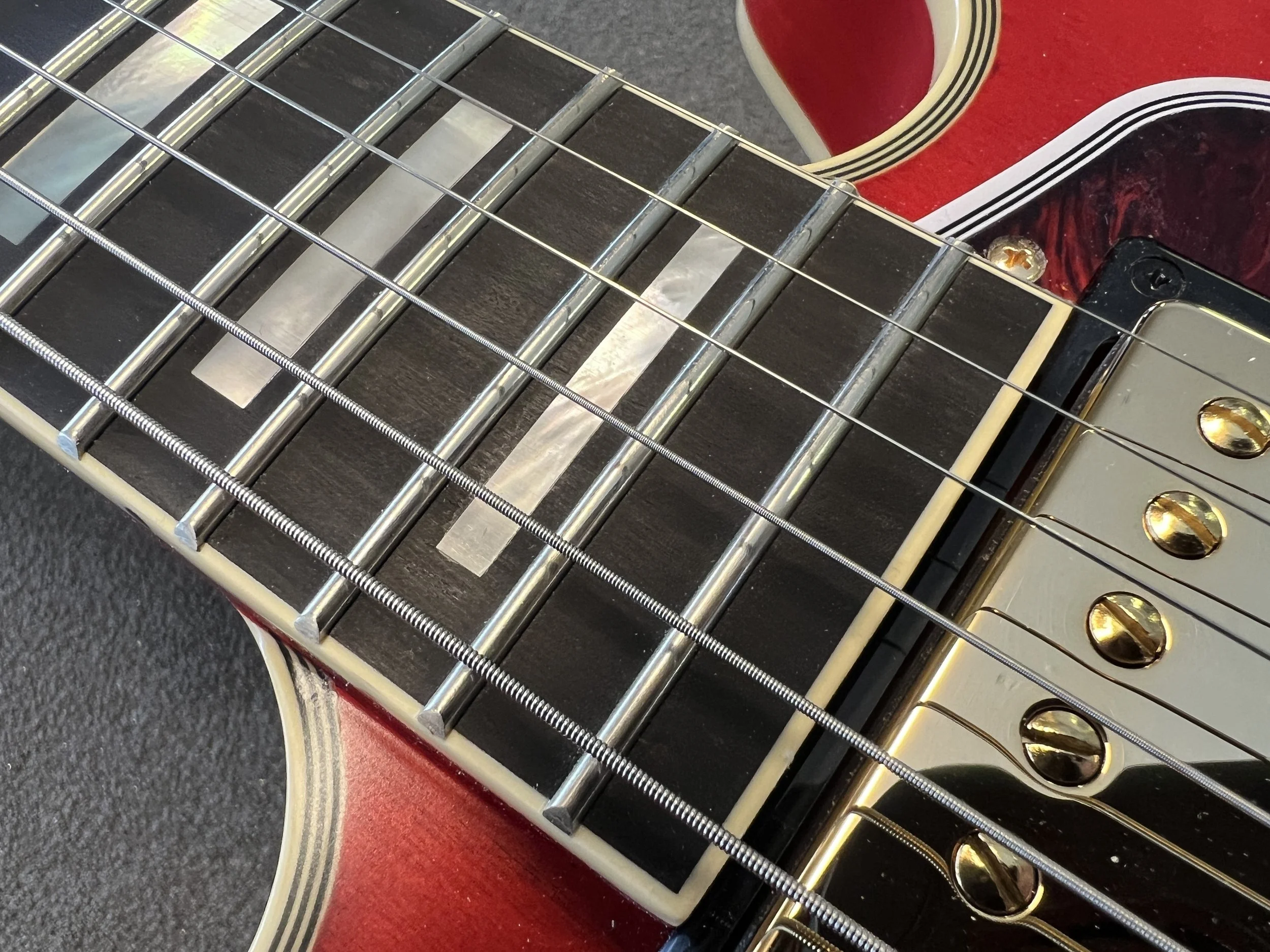
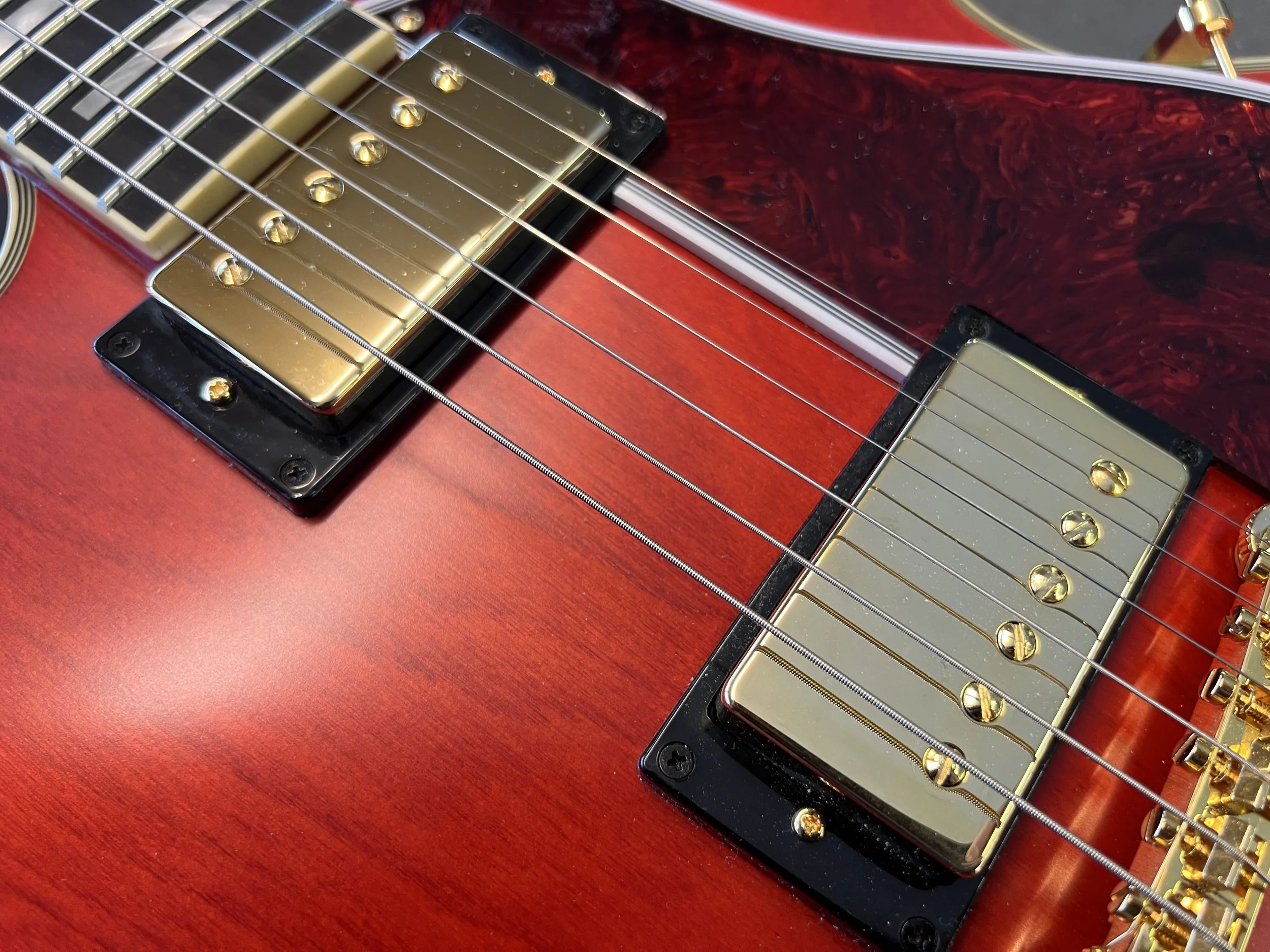
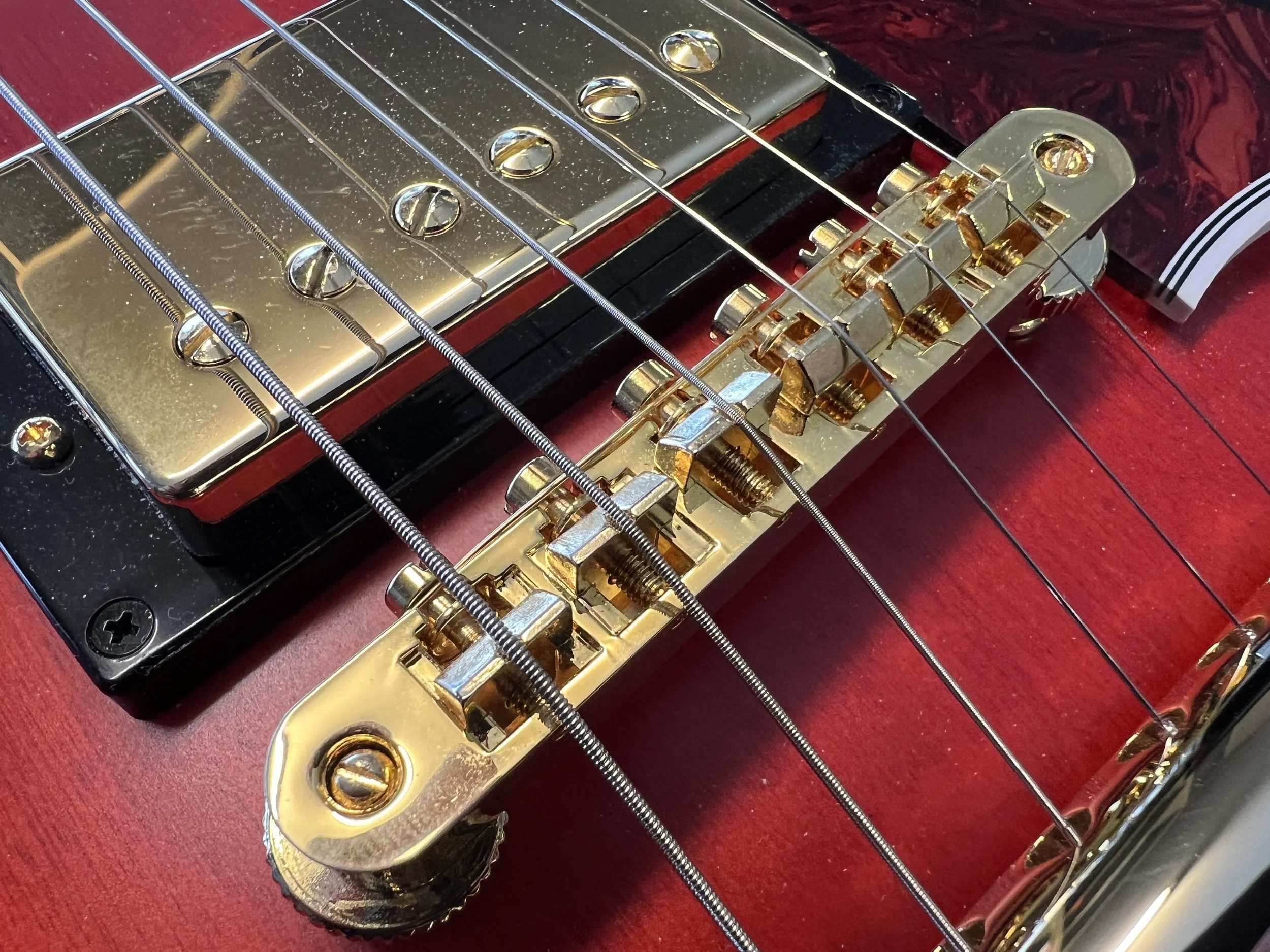
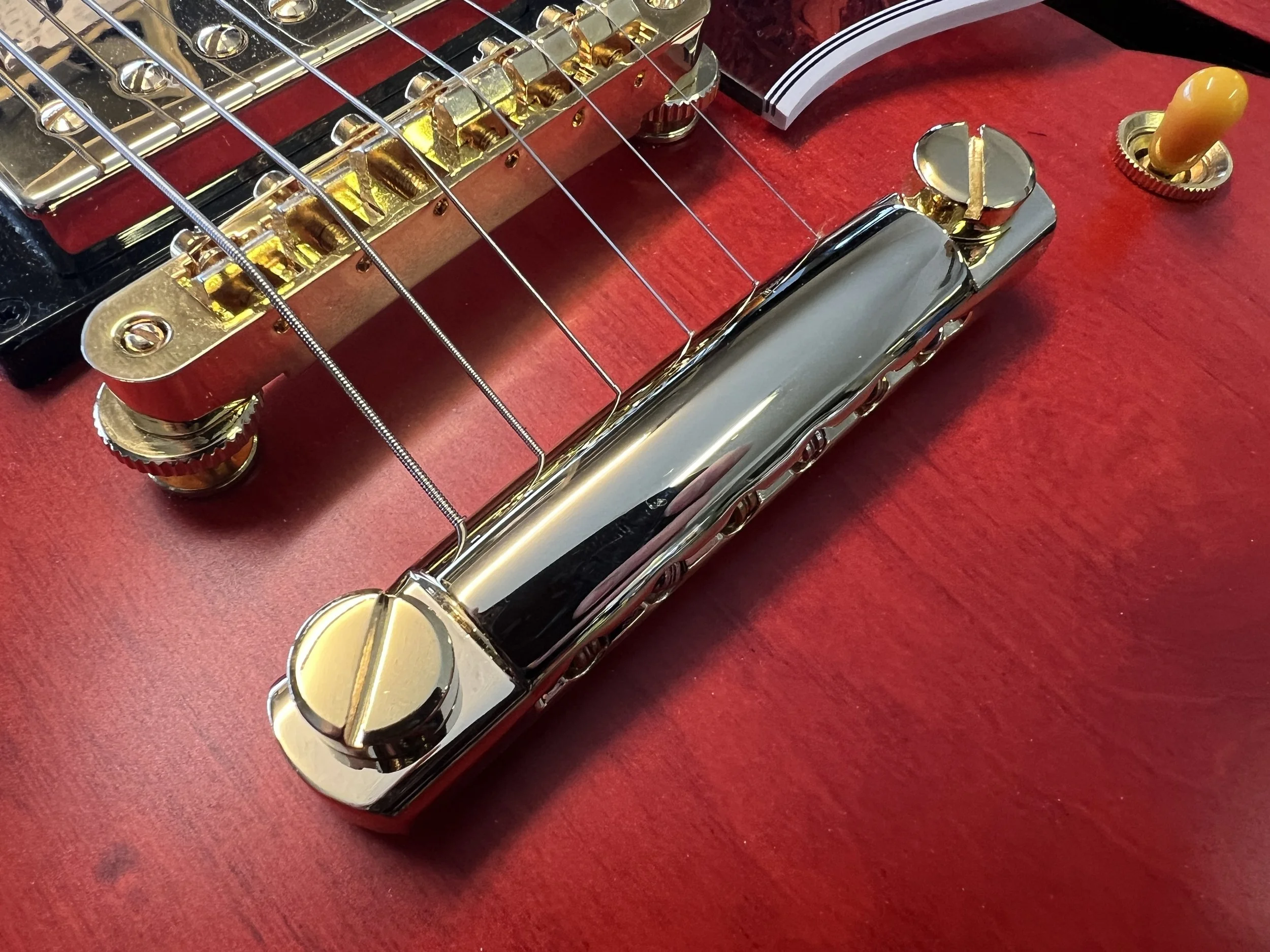
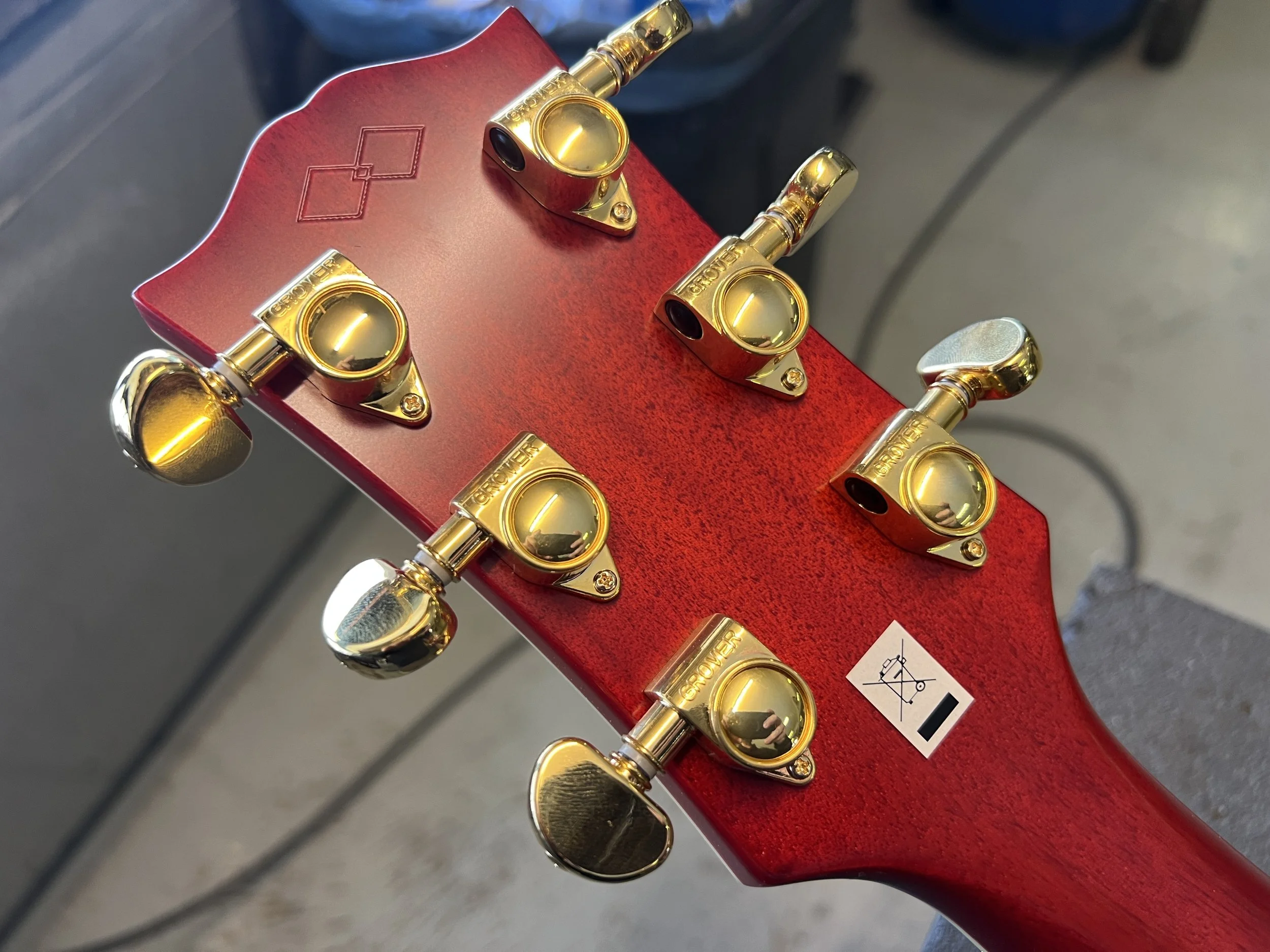
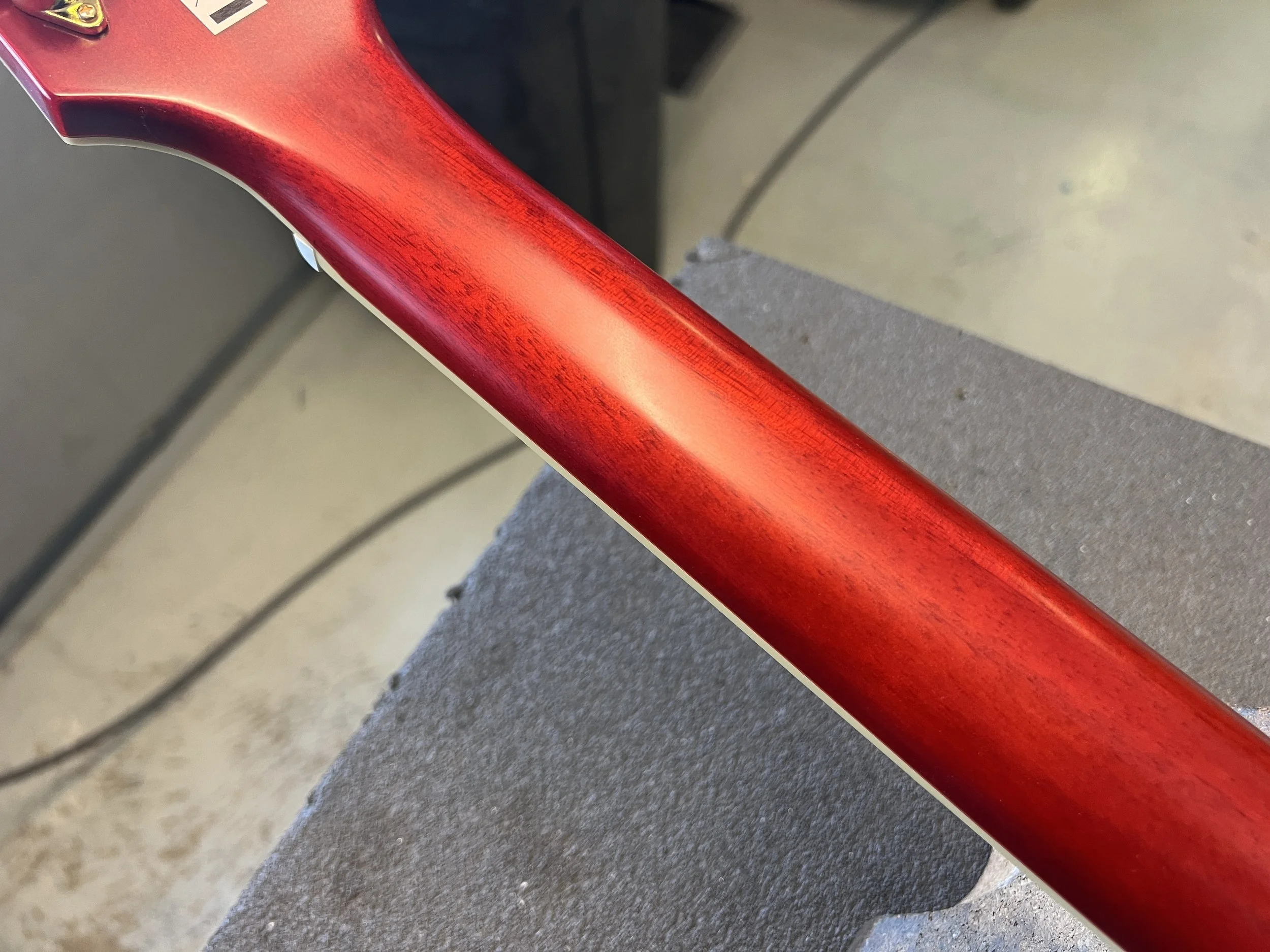
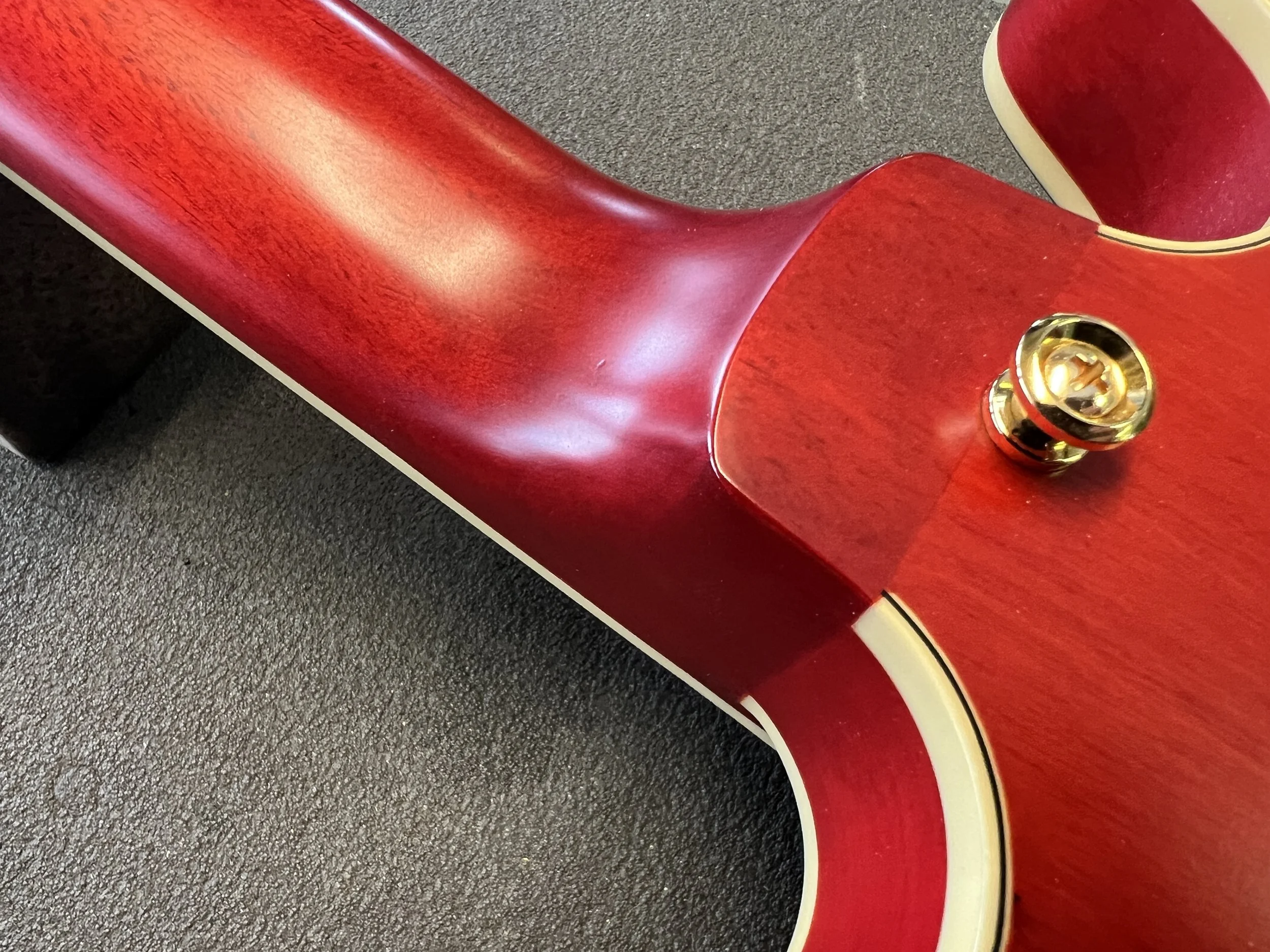
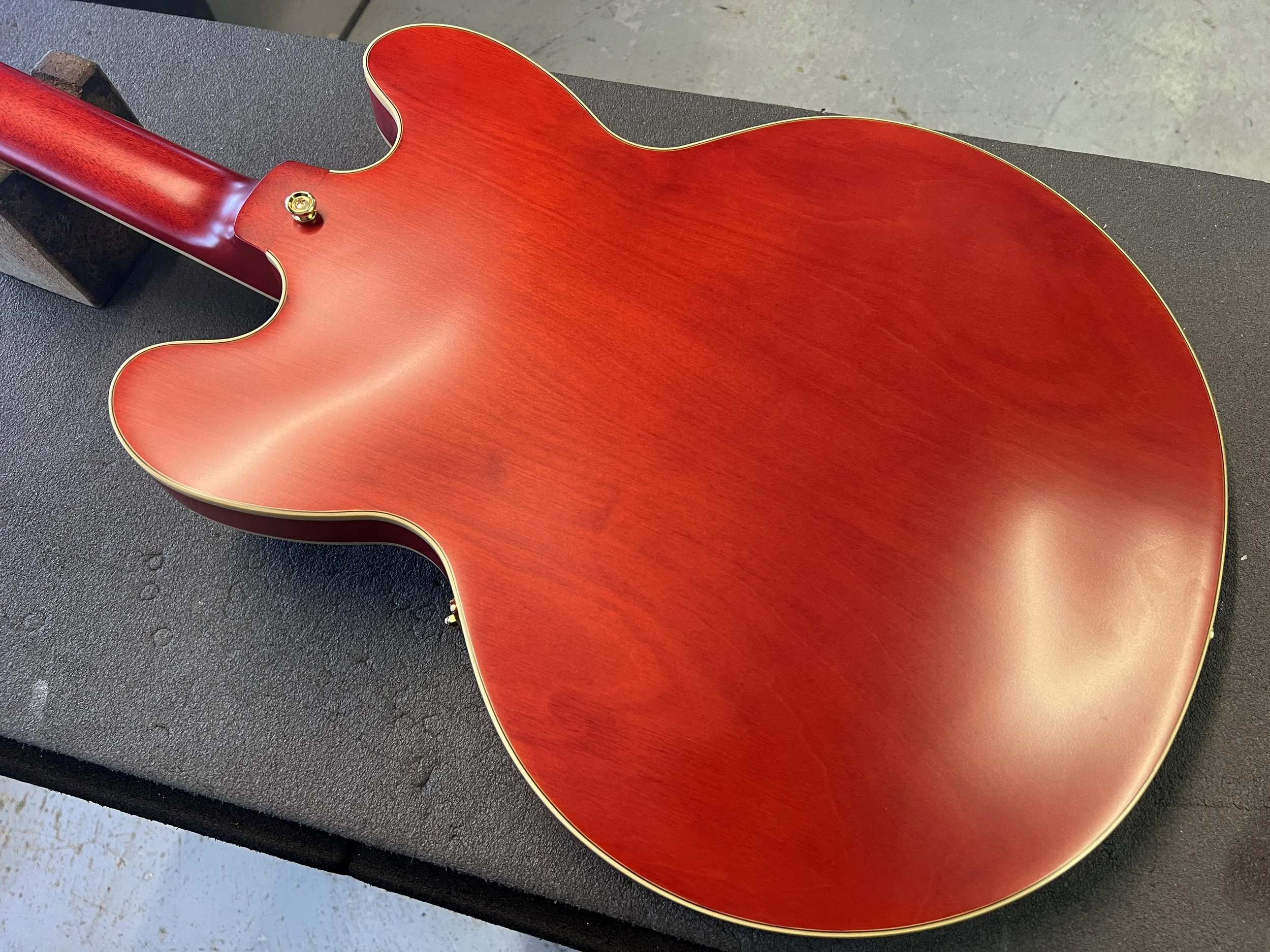
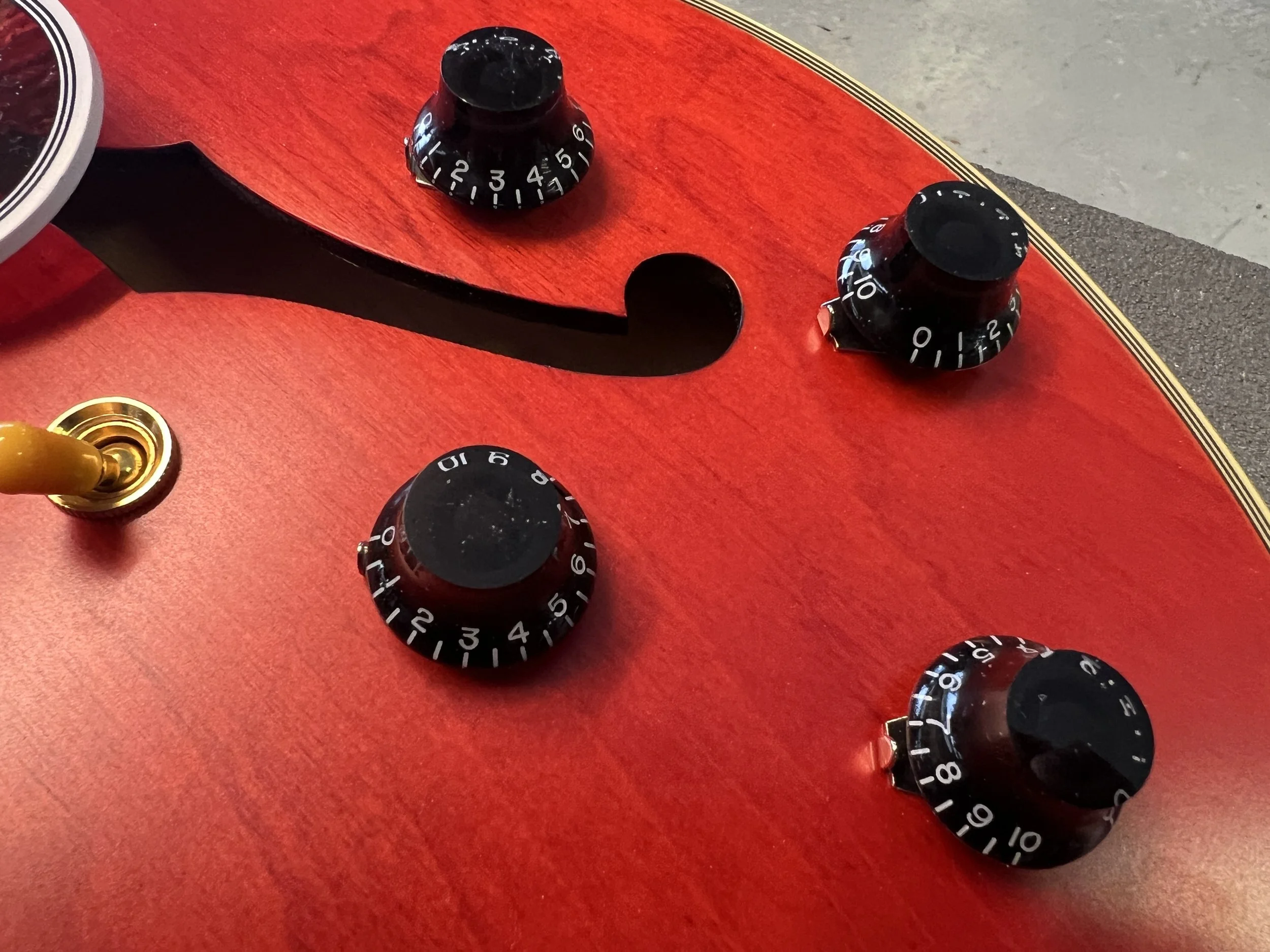
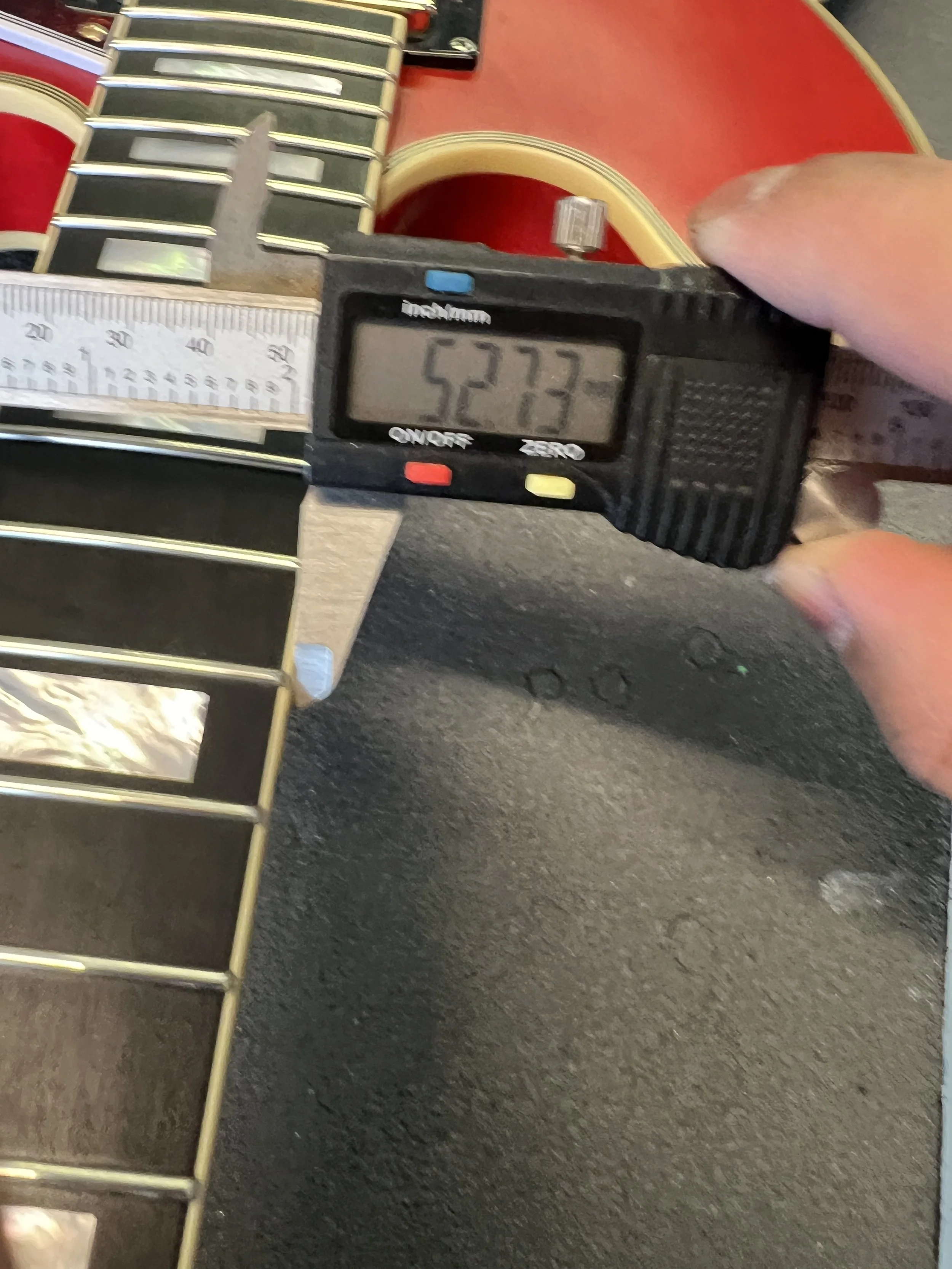
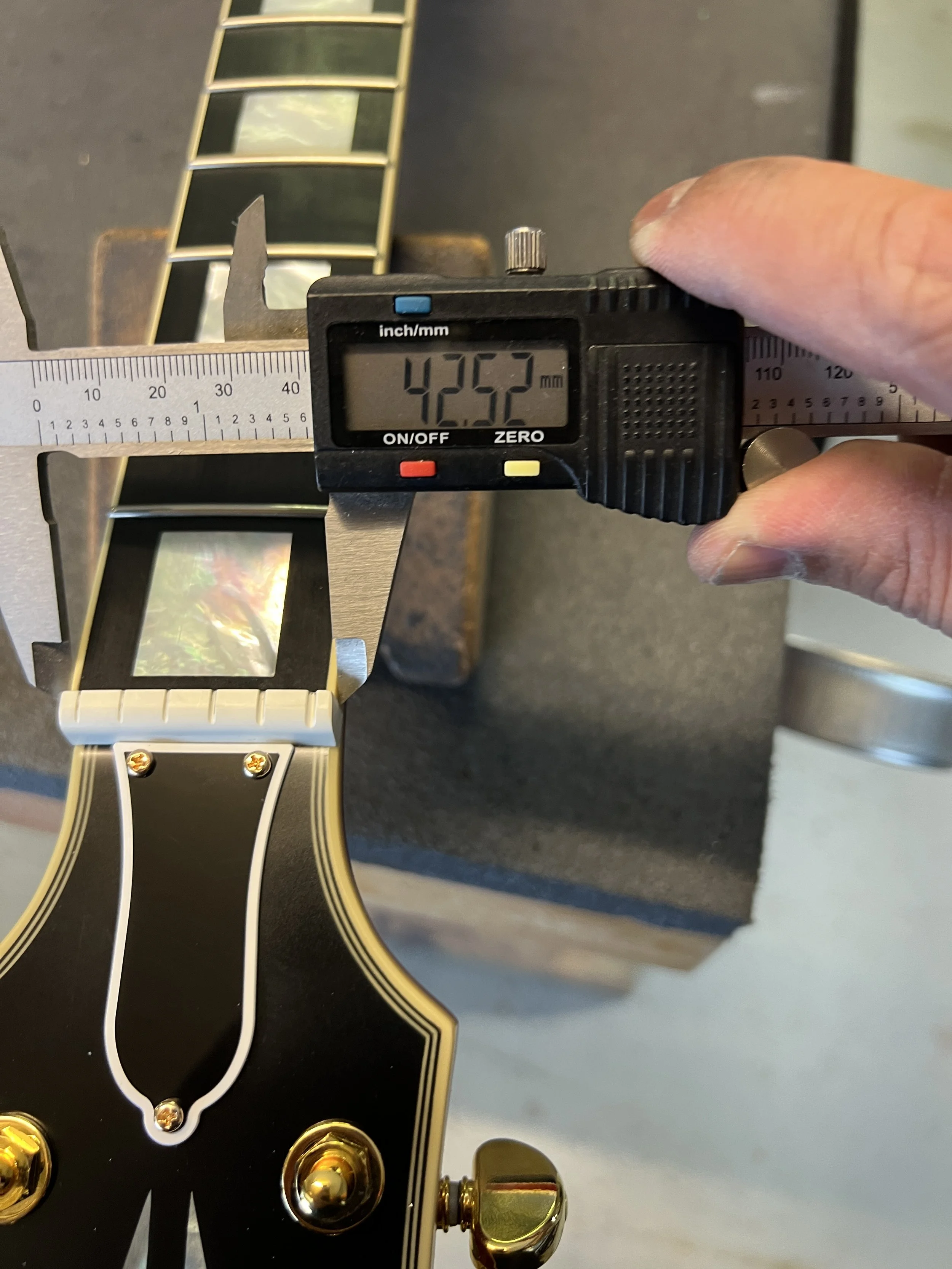
Guitar out of the case, the first thing I noticed was the girth of the neck. It felt huge—wide and deep at the same time. The whole guitar felt weighty, but at 3.8kg, I wouldn’t say it’s a heavy guitar either. Out of the box, the action was high for my taste, but again, I don’t think it was bad by any means. On the first strum, the guitar sounded alive and very resonant. The sound jumped out of the box, acoustically very similar to my SA2200.
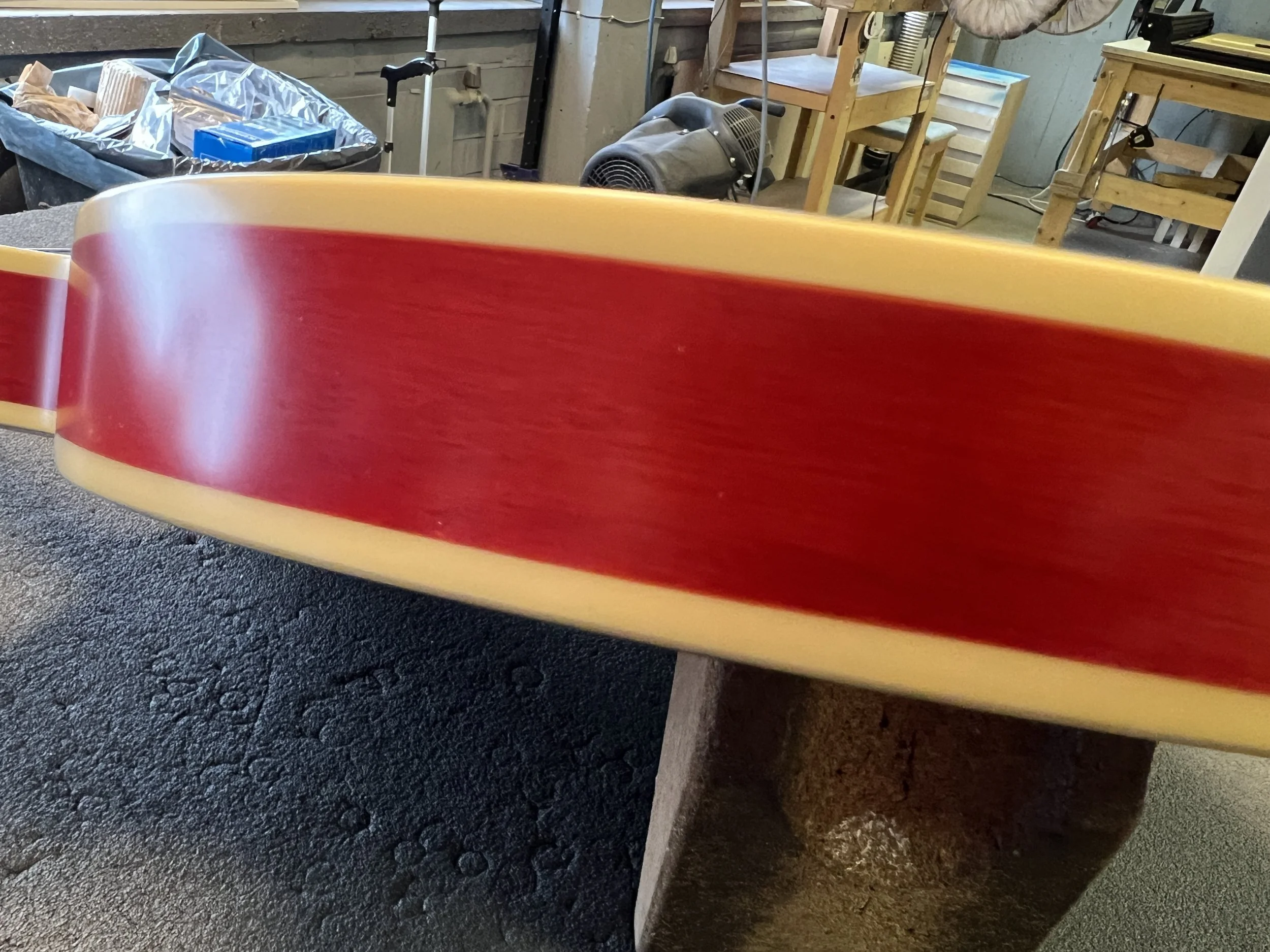
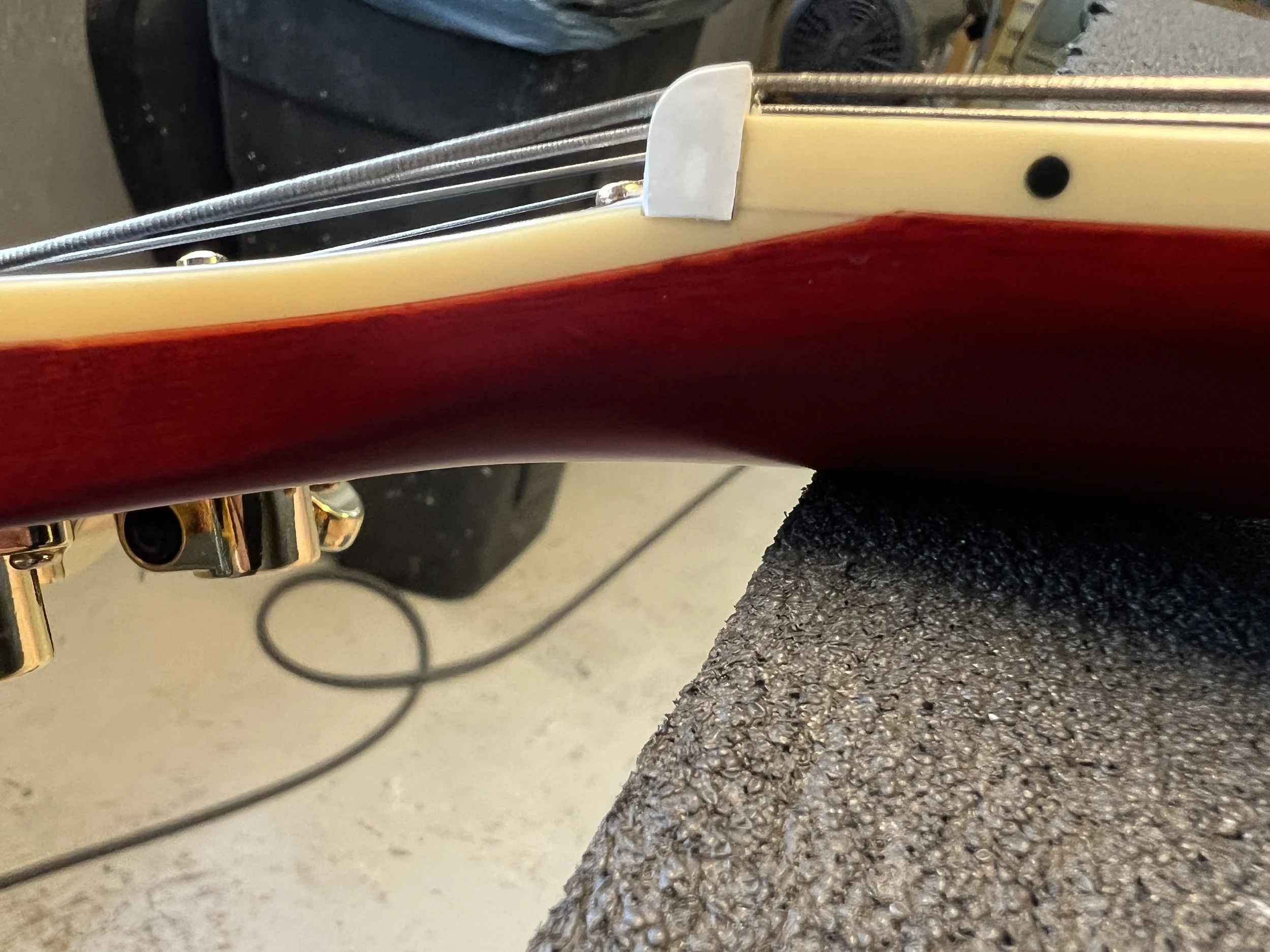
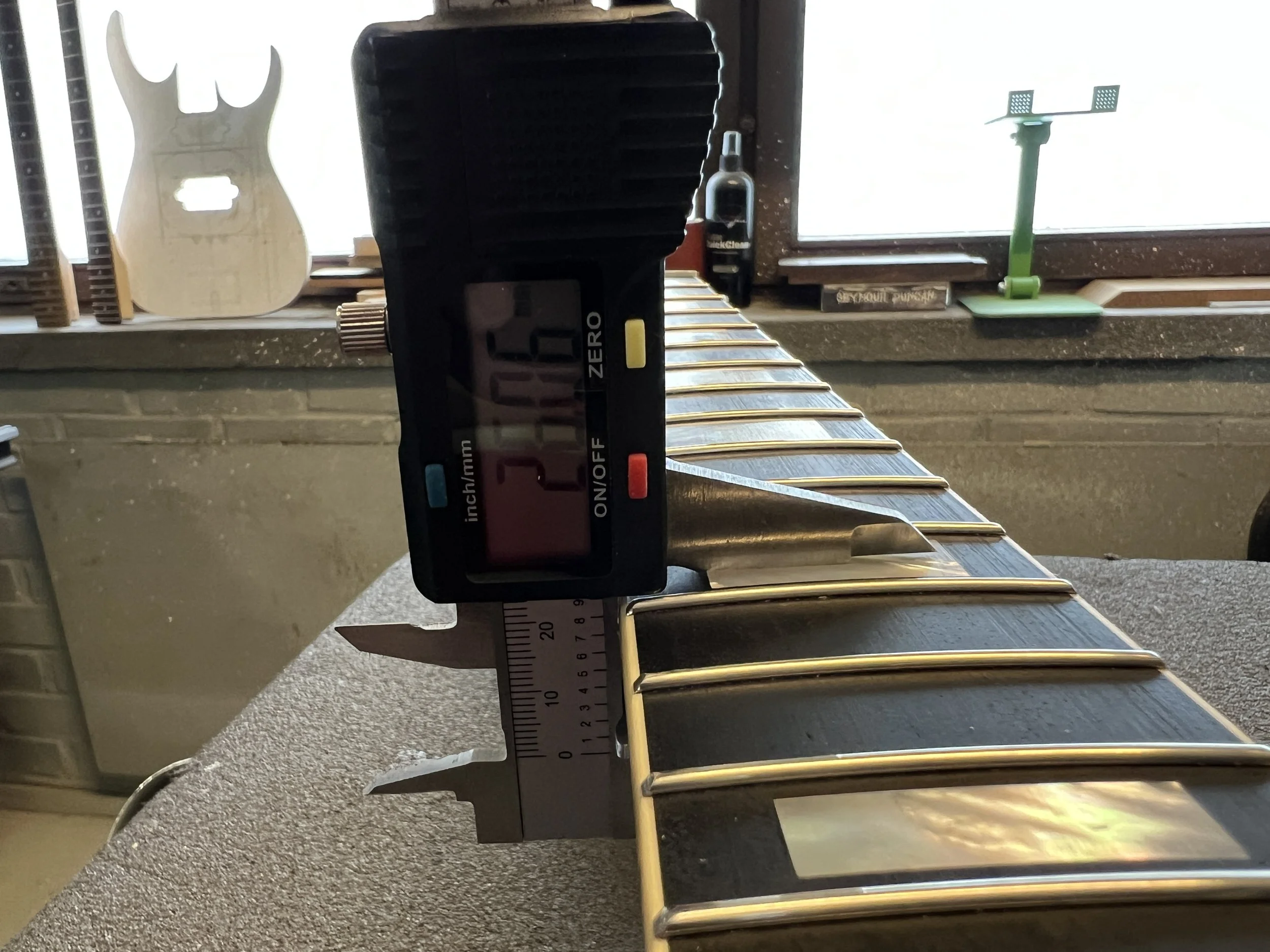
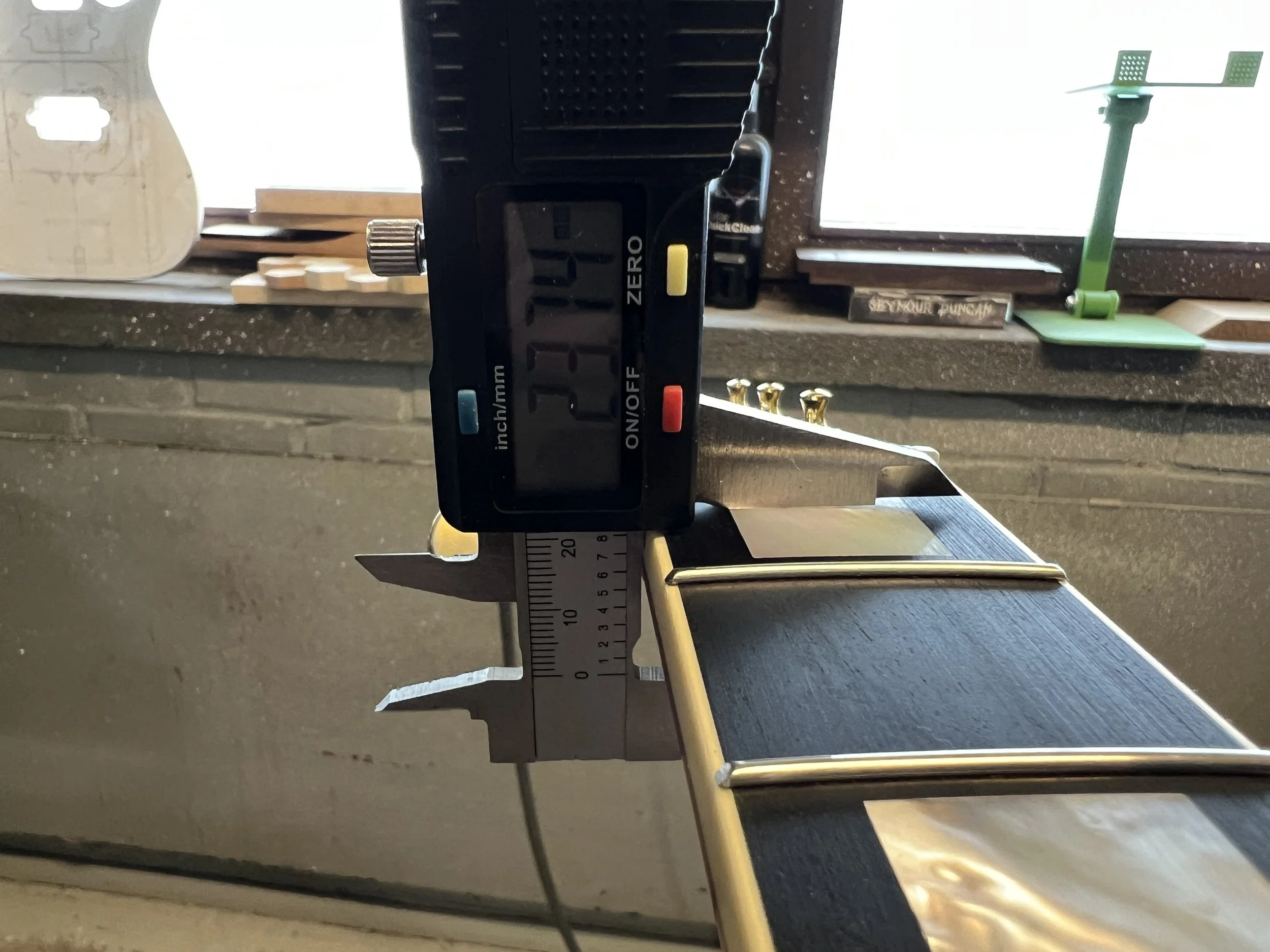
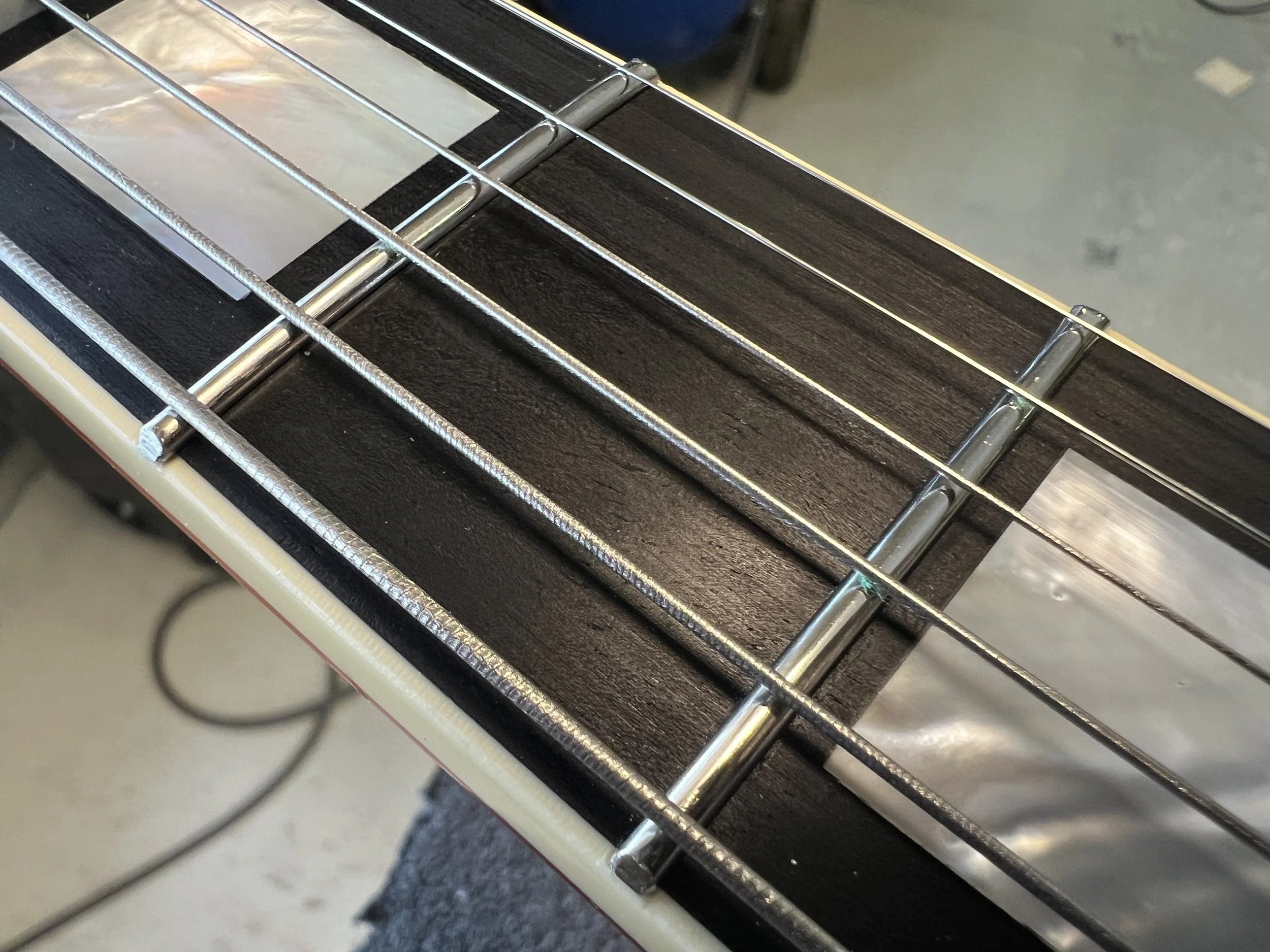
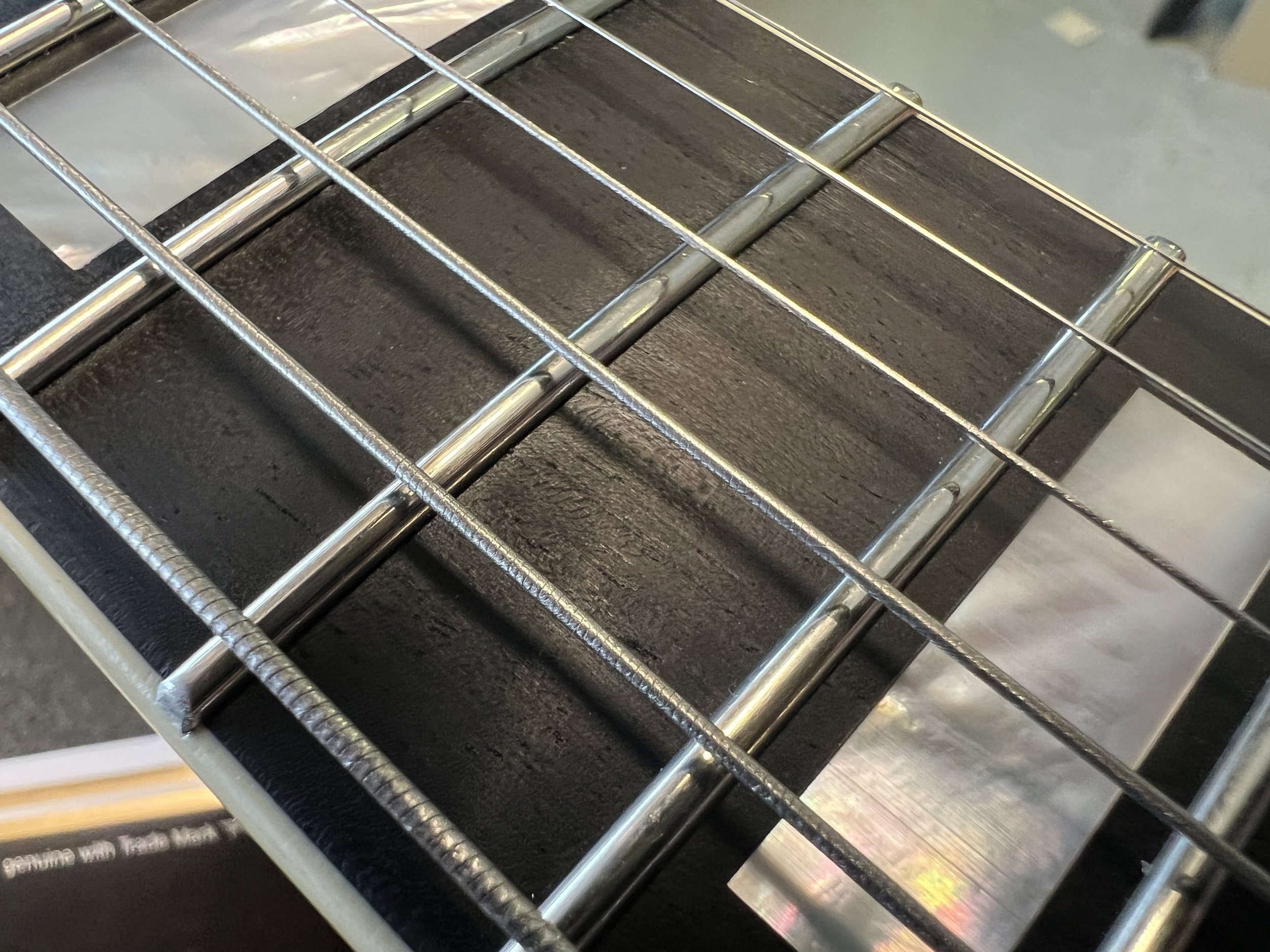
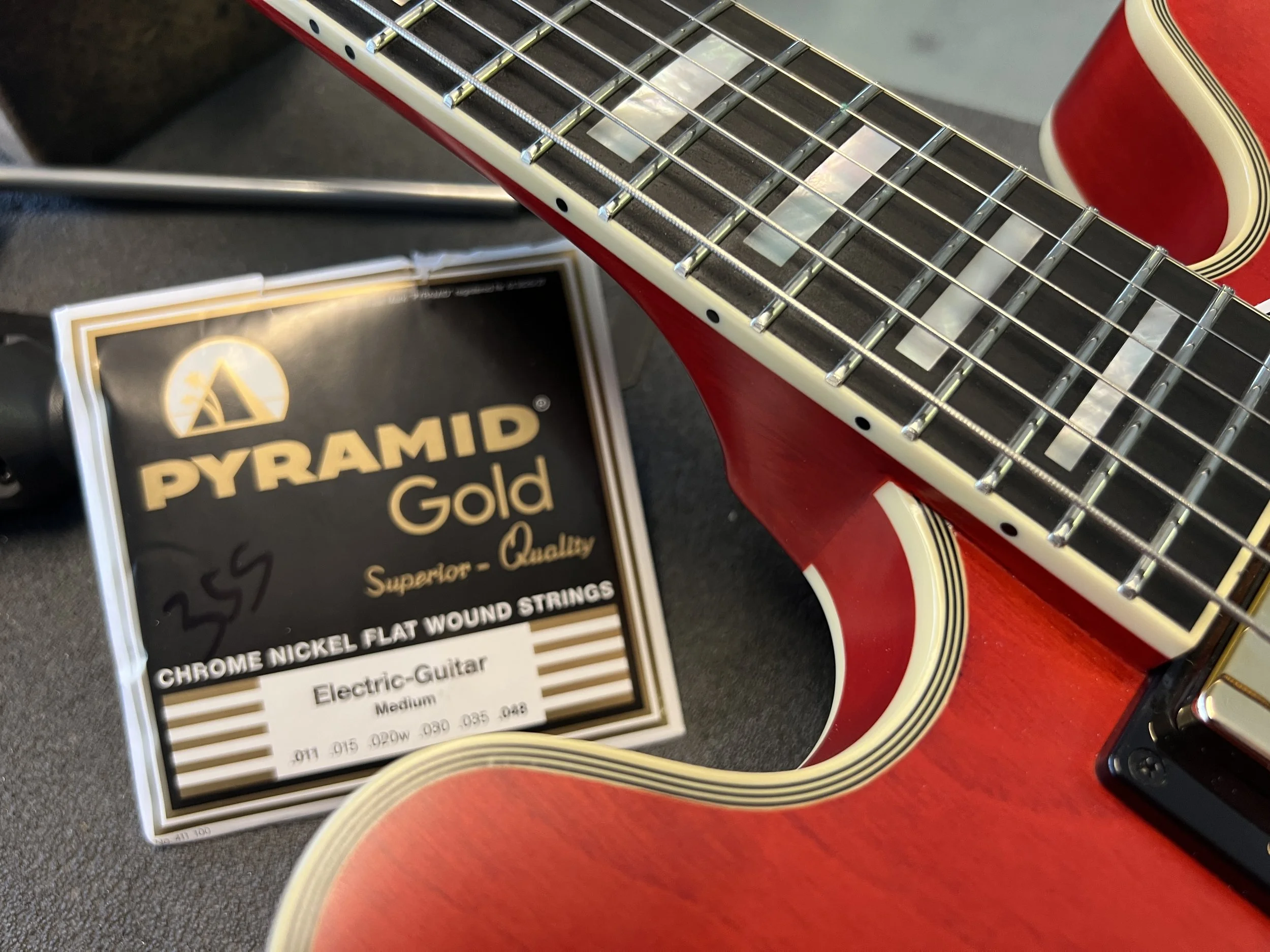
On detailed inspection, I found the guitar was very well made. The binding was okay and the finish was fine to me, even though some people don't like the matte look and suggest buffing it up. Why, though? The ebony fretboard is fair-looking and the inlay work is done correctly. The frets, even if not polished to a mirror finish, weren’t scratchy while playing, and the fret ends were just fine. Yes, it needed some work, but this guitar was made sometime in 2025 and I bought it in February 2026. Winter affects guitars. Expecting a guitar to be perfect out of the box is unrealistic. I don’t care who you are—if a guitar is made in Country A, shipped to Country B to sit for a while, and then sent to Country C, you have to consider time, shipping, storage, and differences in temperature and humidity. If you expect optimal conditions without considering that journey from point A to point C, in my opinion, you just don’t know how guitars are made.
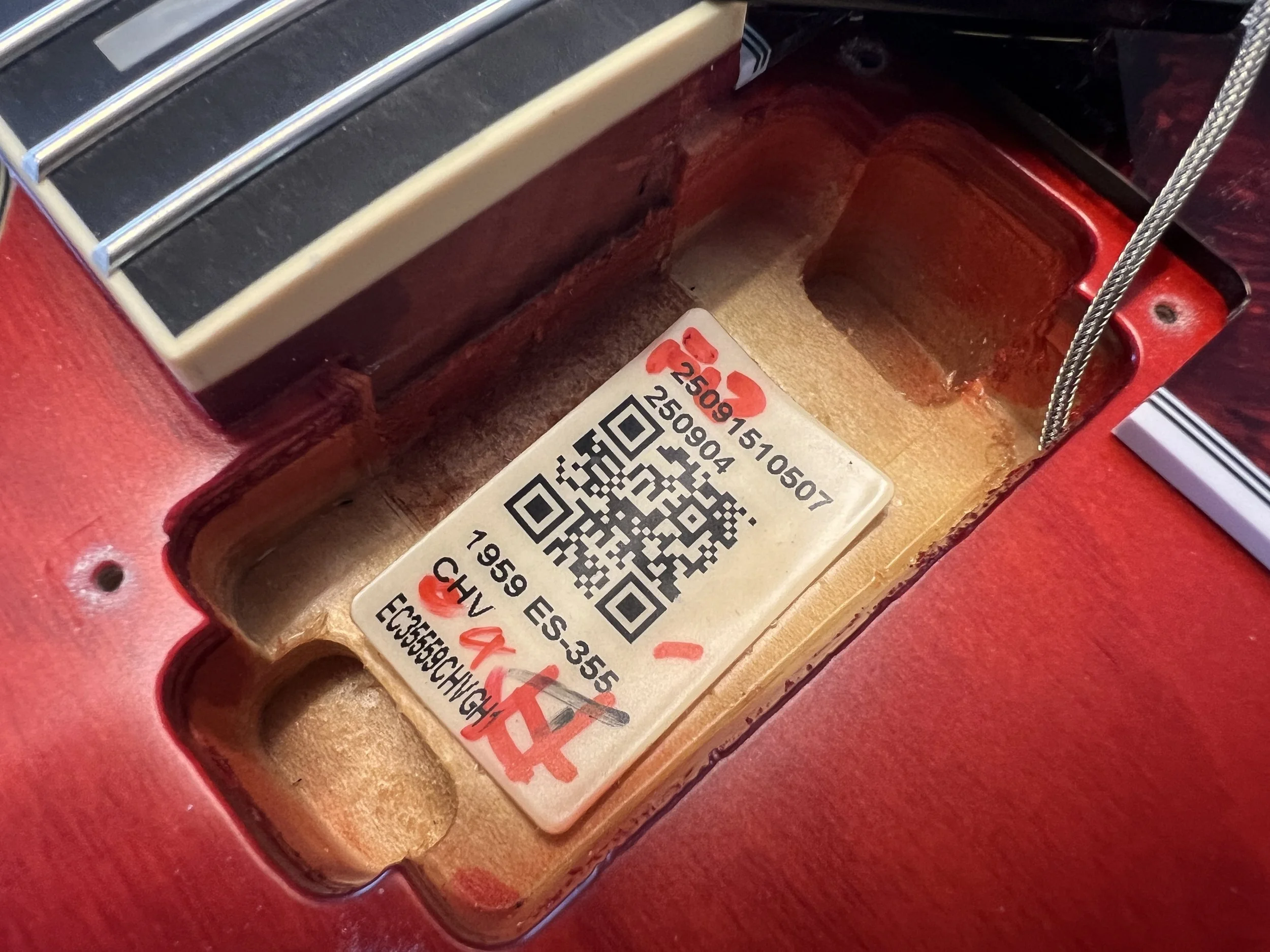
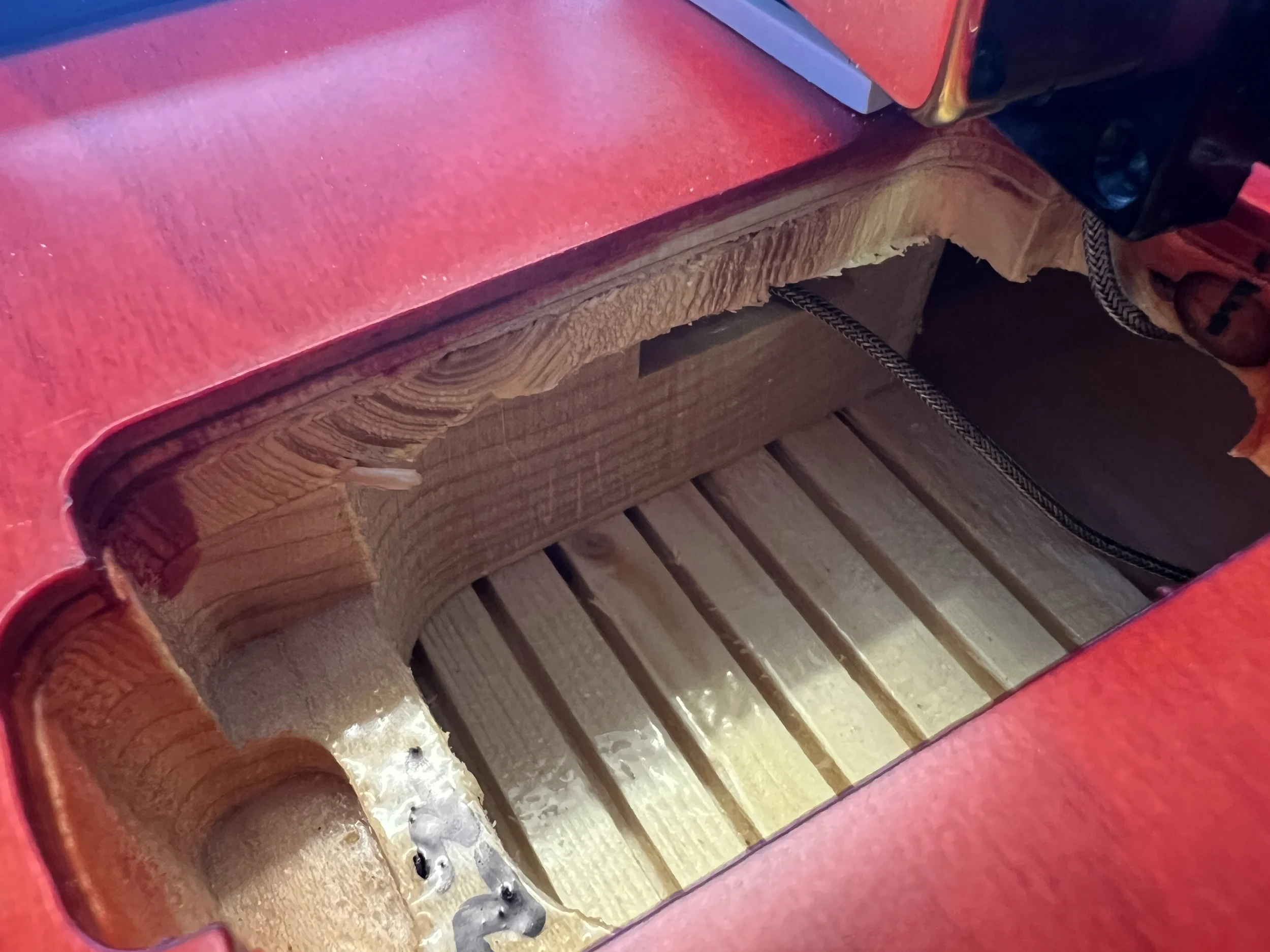
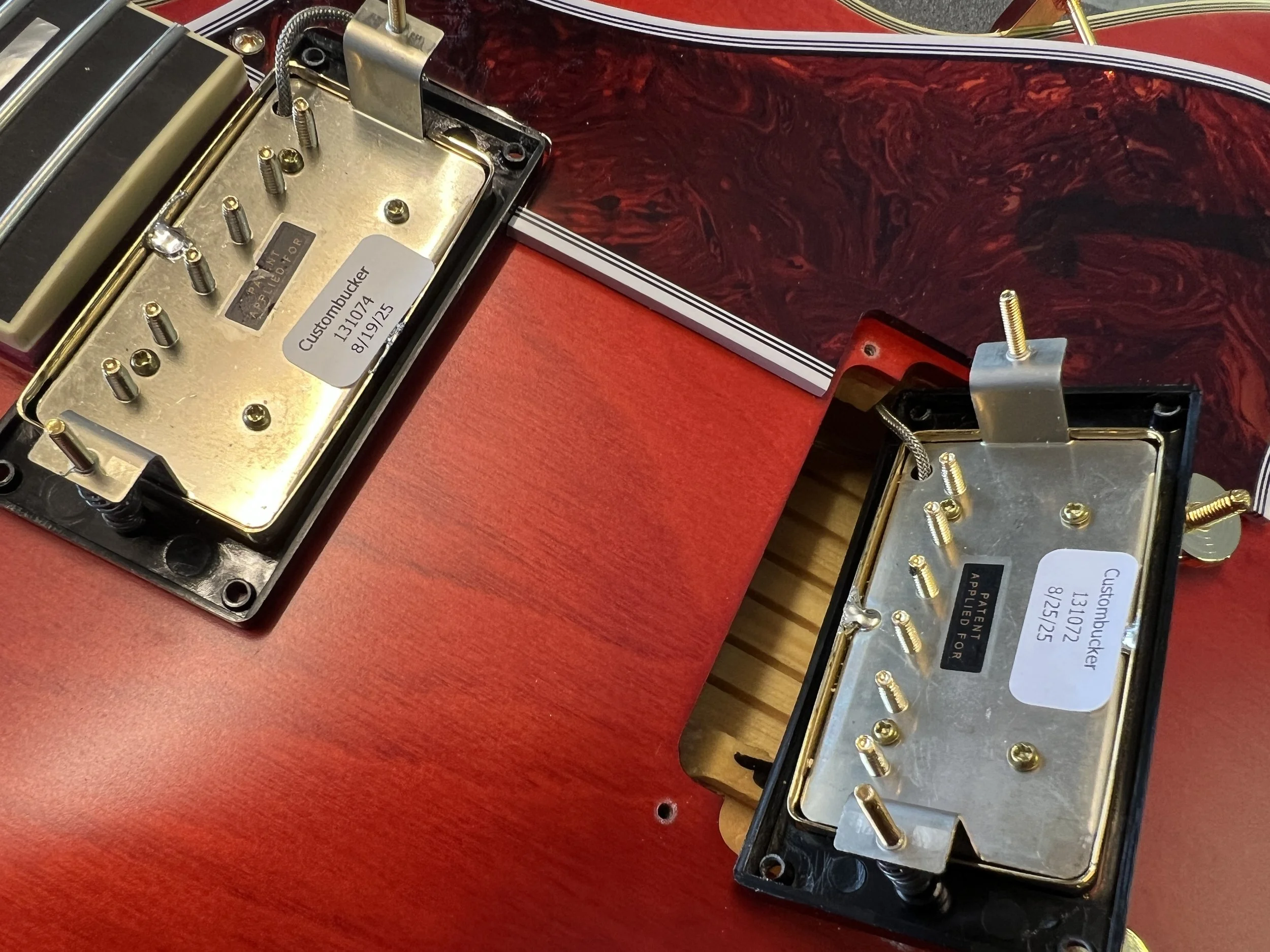
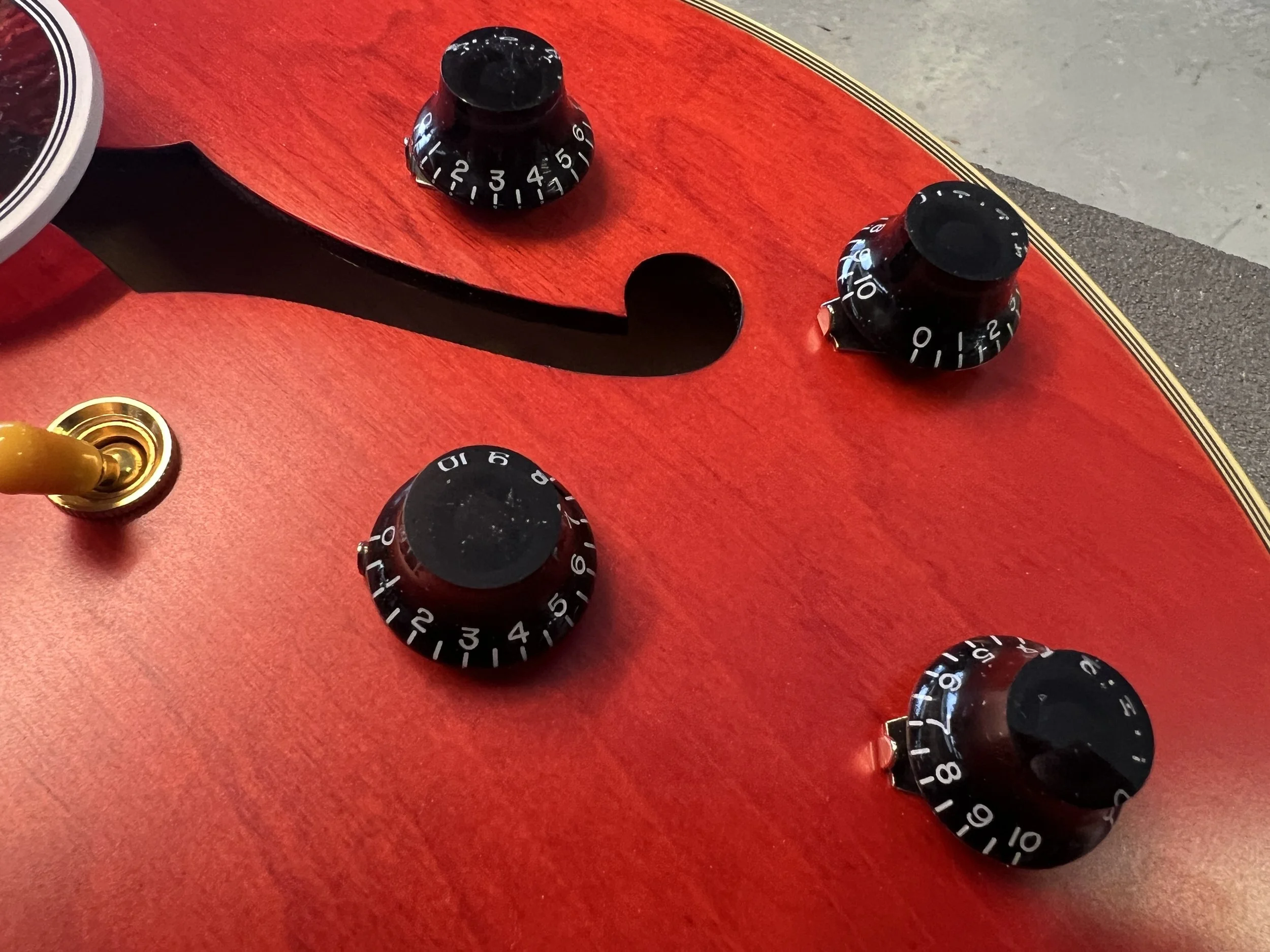
Plugged into the amp, the guitar is very responsive. I cannot emphasize this enough: the Custombuckers react to your pick and your technique. It’s not just about volume, but the shades of tonality that shift in response to the dynamics of your playing. Some reviews say these pickups are too dark. I might agree to an extent, yet if that’s the price to pay for that dynamic response, so be it. Besides, I hate "sparkle" where I don’t need it, and I’m often cutting those frequencies from my amp anyway. For my taste, these Custombuckers are the "chef’s kiss" for this guitar.
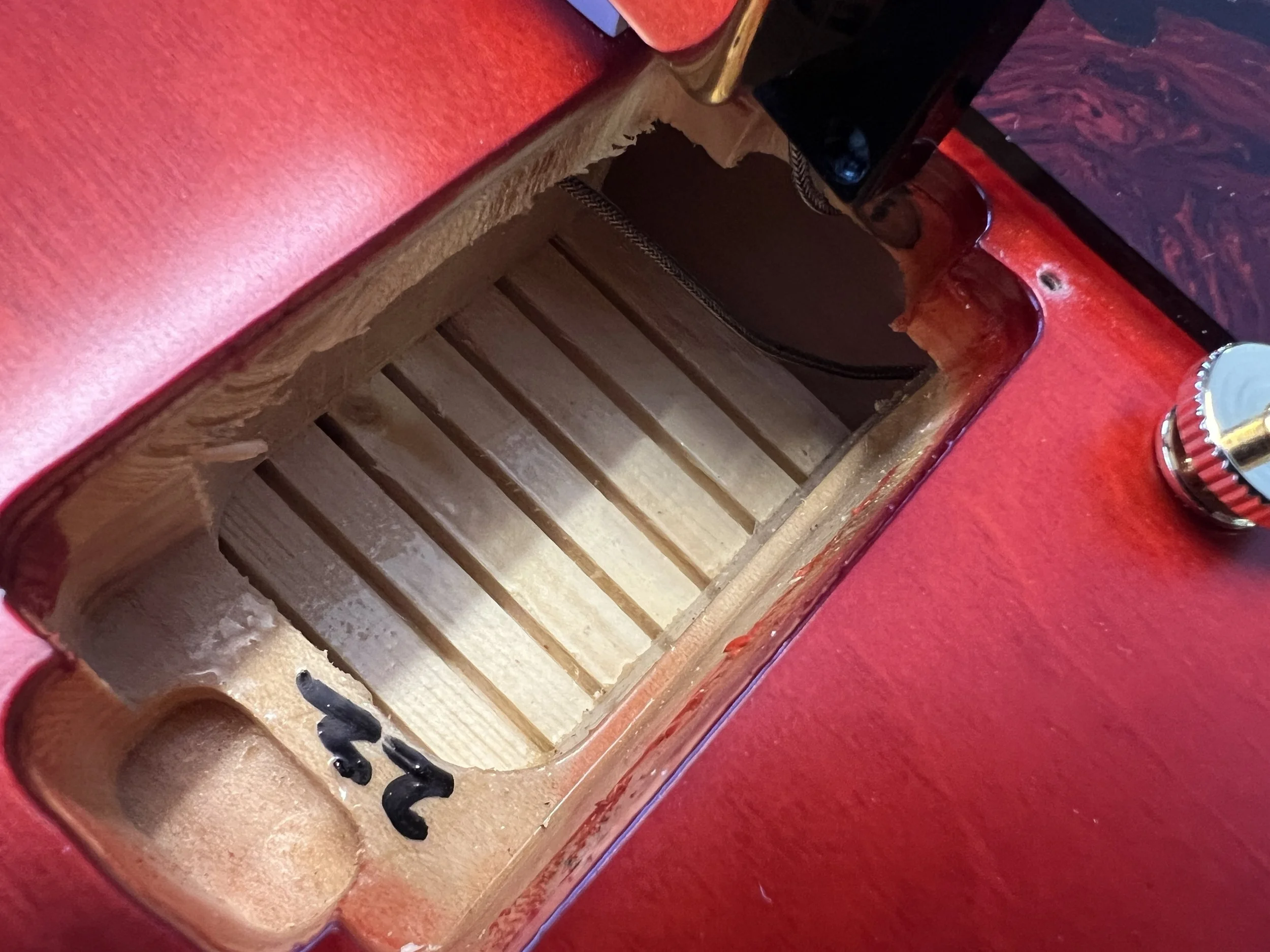
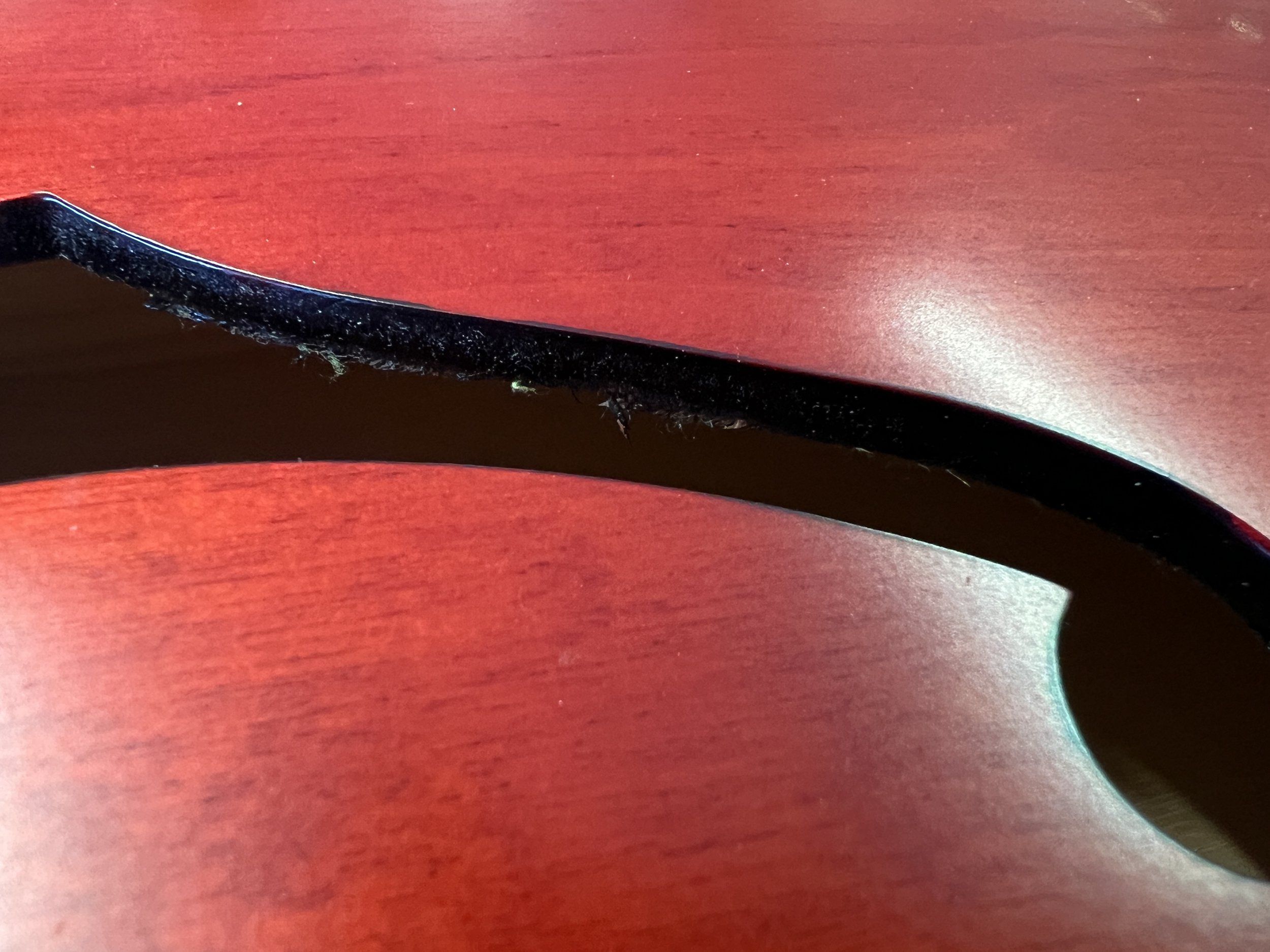
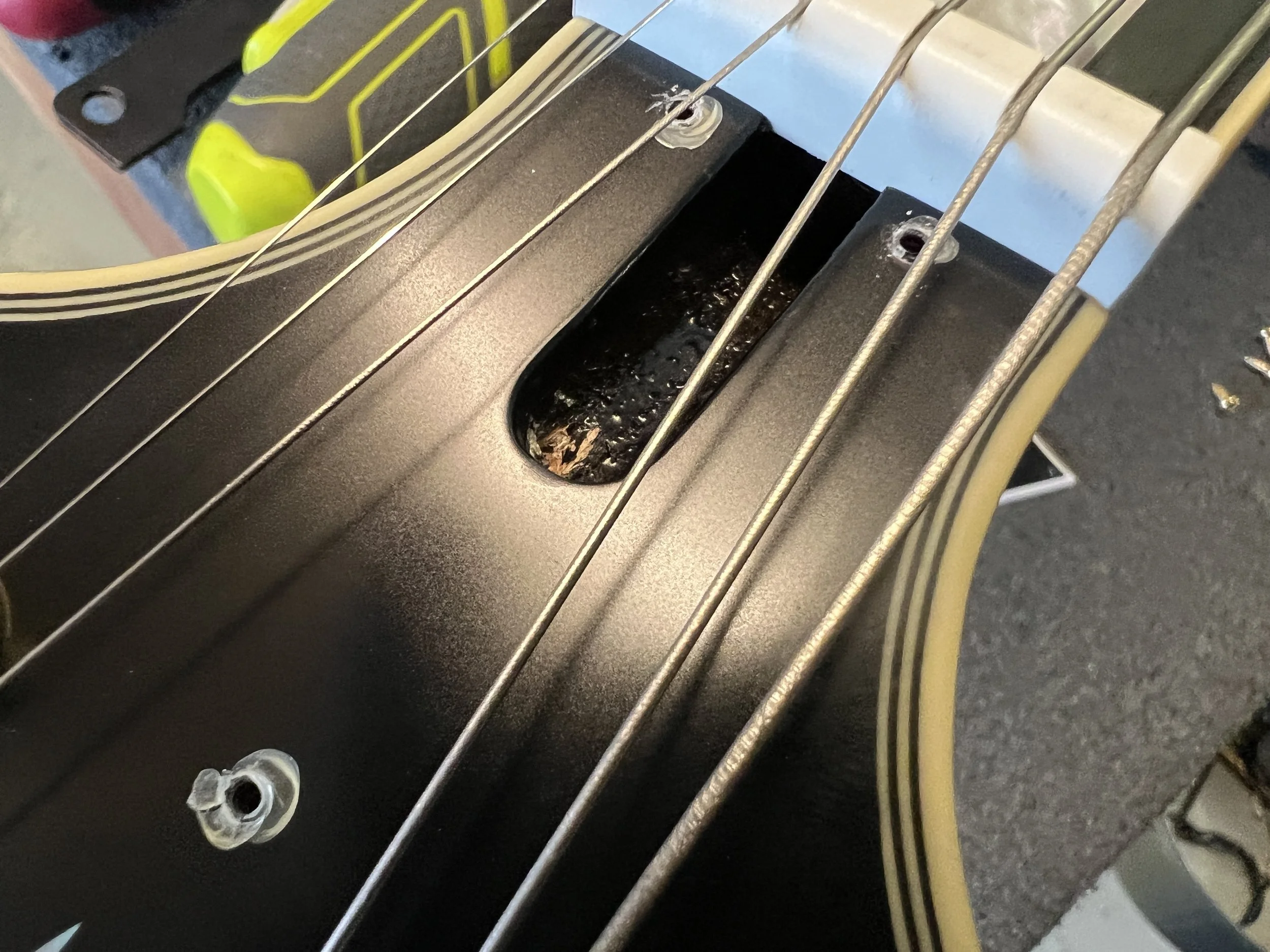
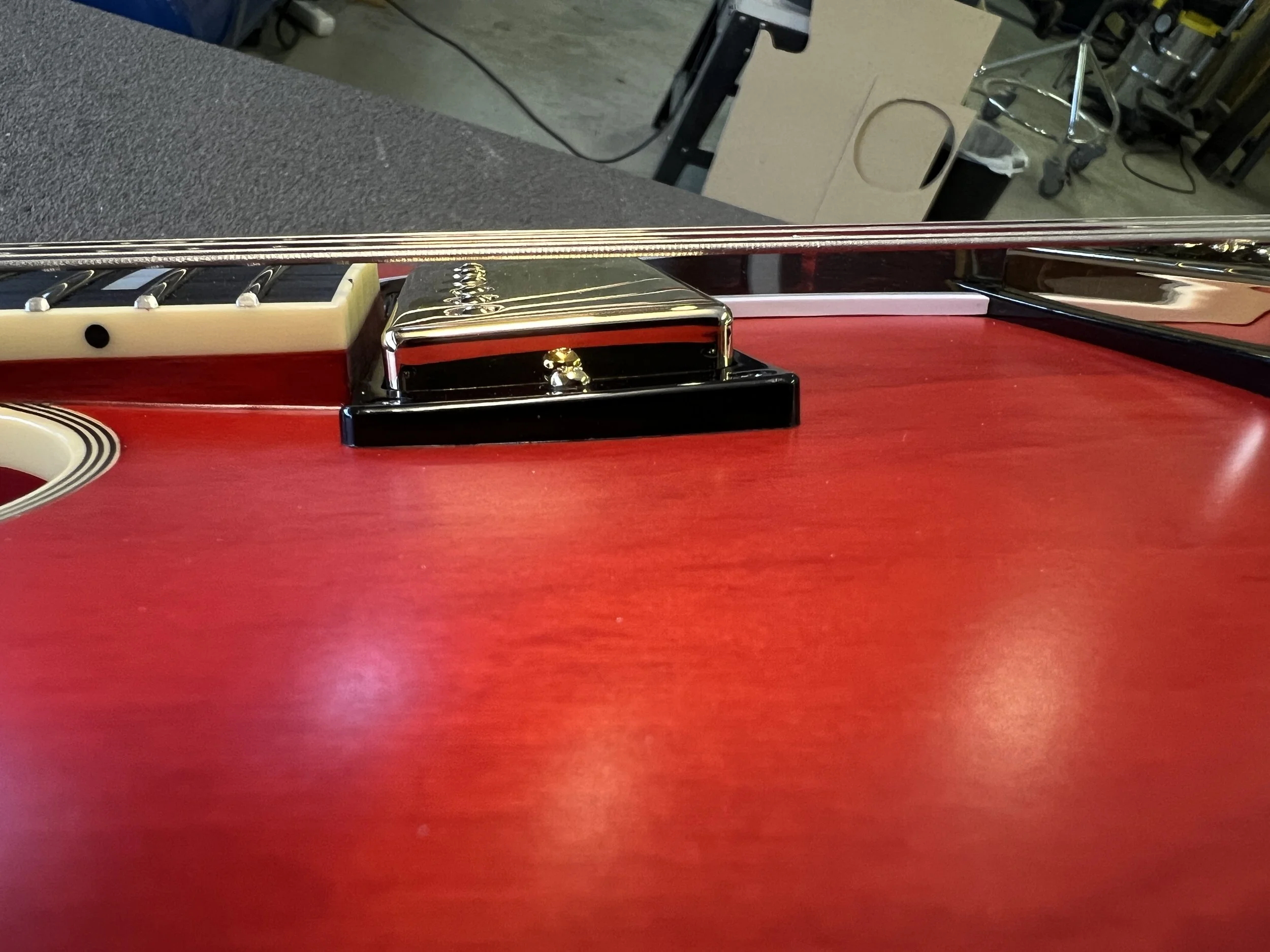
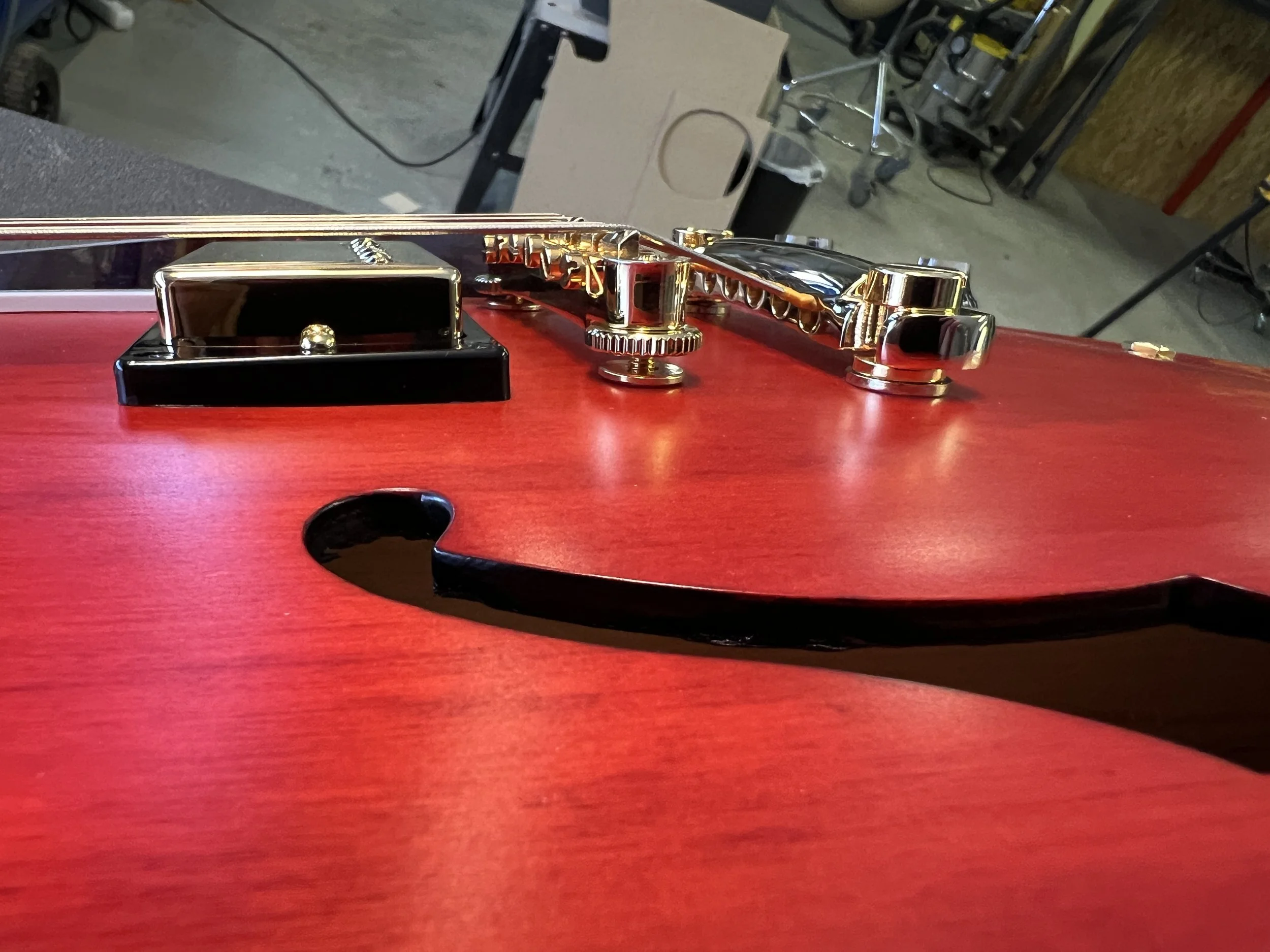
Is it a perfect guitar, then? There’s no such thing at any price level. This guitar has a particularly sloppy job on the f-holes and pickup routes. To my eye, this is due to a combination of factors, mainly the wood grain direction. To avoid this on a CNC machine, you have to look at the wood and notice the grain before the cut, then either change the router bit or the direction of the cut. In a mass-produced factory, these things aren't going to be assessed. That brings me to the point where people compare this to a Custom Shop ES-355. To me, that makes no sense. You are taking the best guitars Gibson can make and trying to see if a mass-produced guitar that looks the same can actually be the same. It can’t. Gibson knows this, Epiphone knows this, and we should all be aware of it too.
By design, these IGC guitars are made to look close to the original at a fraction of the price, but they are also deliberately "handicapped" so they don't surpass the top tier. They use different materials, dedicate less time to details, and make them feel different. This isn't the best ES-355 Epiphone could make; if a factory in China were to use the same ingredients as the Custom Shop without the mass-production commitment, it would still cost way less than the 5k–7k€ of a Custom Shop. Why would Gibson put their own top-range tier in jeopardy by giving you a Chinese guitar that is just as good? Don’t consider this a cheaper version of the Gibson ES-355. Consider it an Epiphone ES-355, and compare it to guitars in its own range. Only then will you know if this guitar deserves to be in your possession.
I told you it’s a good guitar, but also that you can’t compare it to a Gibson ES-355. So, when considering what to buy, what should you compare it with? Maybe the Ibanez JSM10 for 1,277€, or maybe the PRS SE Hollowbody Piezo for 1,365€. A good competitor might be the D'Angelico Excel DC, but that’s 1,650€ with a Seymour Duncan '59 set. As you can see, the Epiphone ES-355 is fighting at a similar price with similar features. Is the Epiphone the winner here? Unfortunately, I can’t answer that because I haven’t tested those other guitars. My point is simply to illustrate what you should be comparing this guitar against if you are interested. It makes no sense to say this is "too expensive" because there are sub-750€ options out there; that might be true, but we aren't comparing apples to apples.
In this world, this guitar is priced correctly for the bracket it was made for. It is not a cheap guitar, and saying it’s "too expensive" because it is Chinese-made is an argument that holds no weight. If you are comfortable paying this amount, and if this guitar is what you are looking for, then try it and embrace it as an Epiphone ES-355. If, in the back of your head, you are still aiming for the Gibson Custom Shop, then just don’t buy it. You’ll regret it, and you’ll spend your days lying to everyone about how this guitar isn’t worth it—when, in fact, what isn’t worth it is spending money on something when you actually wanted something else entirely. Want what you buy, and use what you have.