
Why You Secretly Want This Squier
Squier Japan Stratocaster
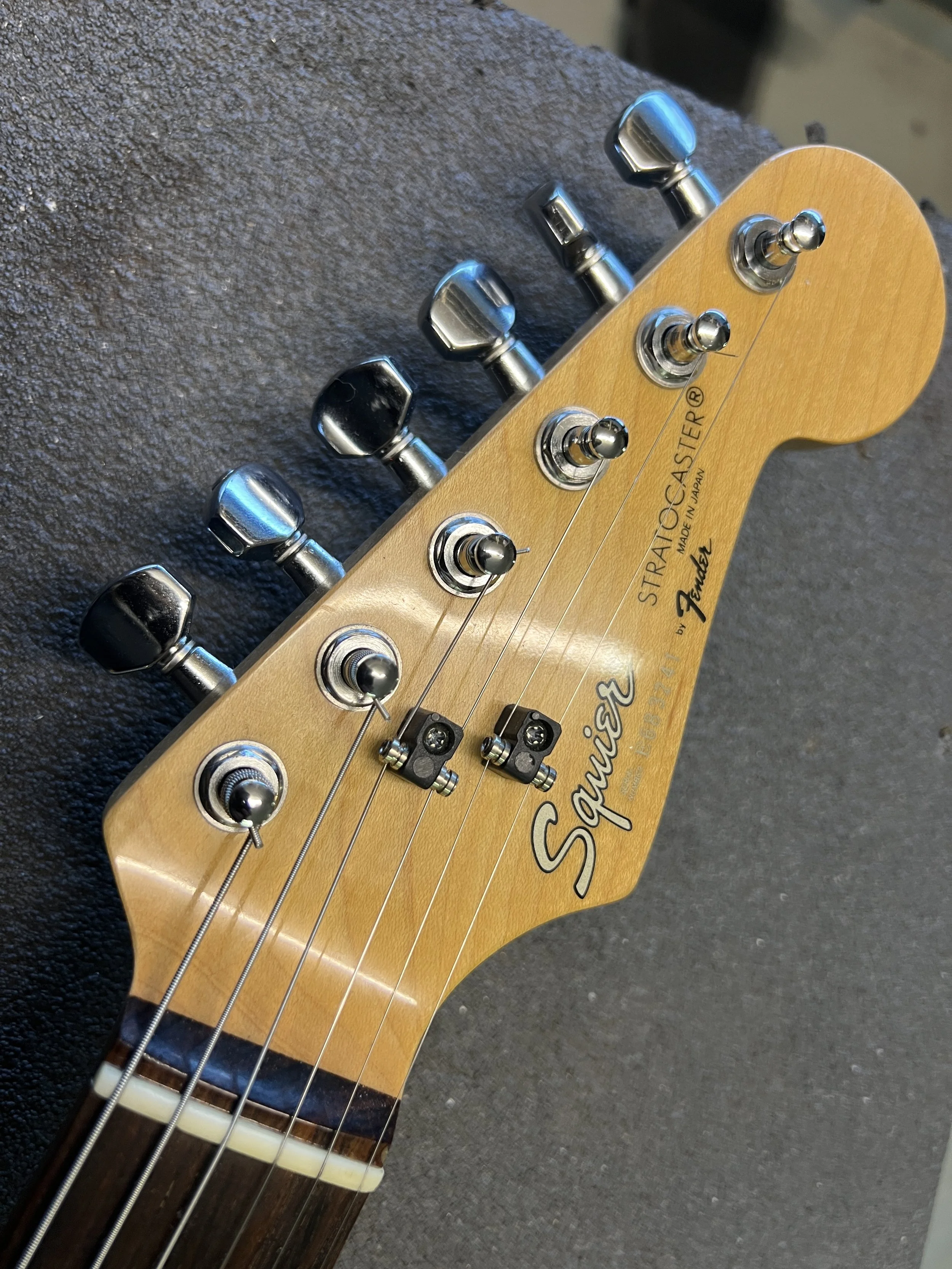
Around the end of last year, I had a particular guitar come into my shop. This is what we’d call Patient Zero—or in this case, the "Zero Series."
Before the Squier we know today—the one often looked at as Fender’s bastard child—and before the "budget brand" reputation stuck, Fender and Gibson were hitting some serious hard times. In the late 70s and early 80s, both companies were struggling. Not only were they having internal corporate issues, but they were getting killed by Japanese-made guitars. The Japanese copies were cheaper and, in many cases, just plain better. It was that simple.
Squier Japan Stratocaster
Fender realized they needed to create a brand produced in Japan, built by the same people making those high-quality copies, to take back the market that was being disrupted. That is how Squier Japan was born.
The real jewels from that 80s Japanese market were made in the famous Fujigen factory. Specifically, you want to look for serial numbers with the JV or SQ prefix. Not all Squiers were created equal, and eventually, Fender saw an opportunity to scale. That’s when production started shifting from Japan to Korea.
Squier Japan Stratocaster
At first, Squier wasn’t meant to be "cheap"; it was meant to be competitive. Fender Japan was producing world-class instruments, and the Squier label was often used to distinguish the "Export" models from the domestic "Fender Japan" models. This is why those early 80s Squiers feel like professional-grade tools.
Once Fender realized they could successfully sell a sub-brand, the bean counters stepped in. To drop the price further and compete with entry-level brands, they shifted production:
Squier Japan Stratocaster
Korea (1987): This was the first major step away from high-end Japanese production. These were the Young Chang and Samick years. Quality was hit-or-miss; some were great, while others used plywood (laminate) bodies and cheap electronics.
China and Indonesia (Late 90s–Present): As labor costs rose in Korea, production moved to countries with lower overhead. This is when Squier truly became the entry-level brand we recognize today.
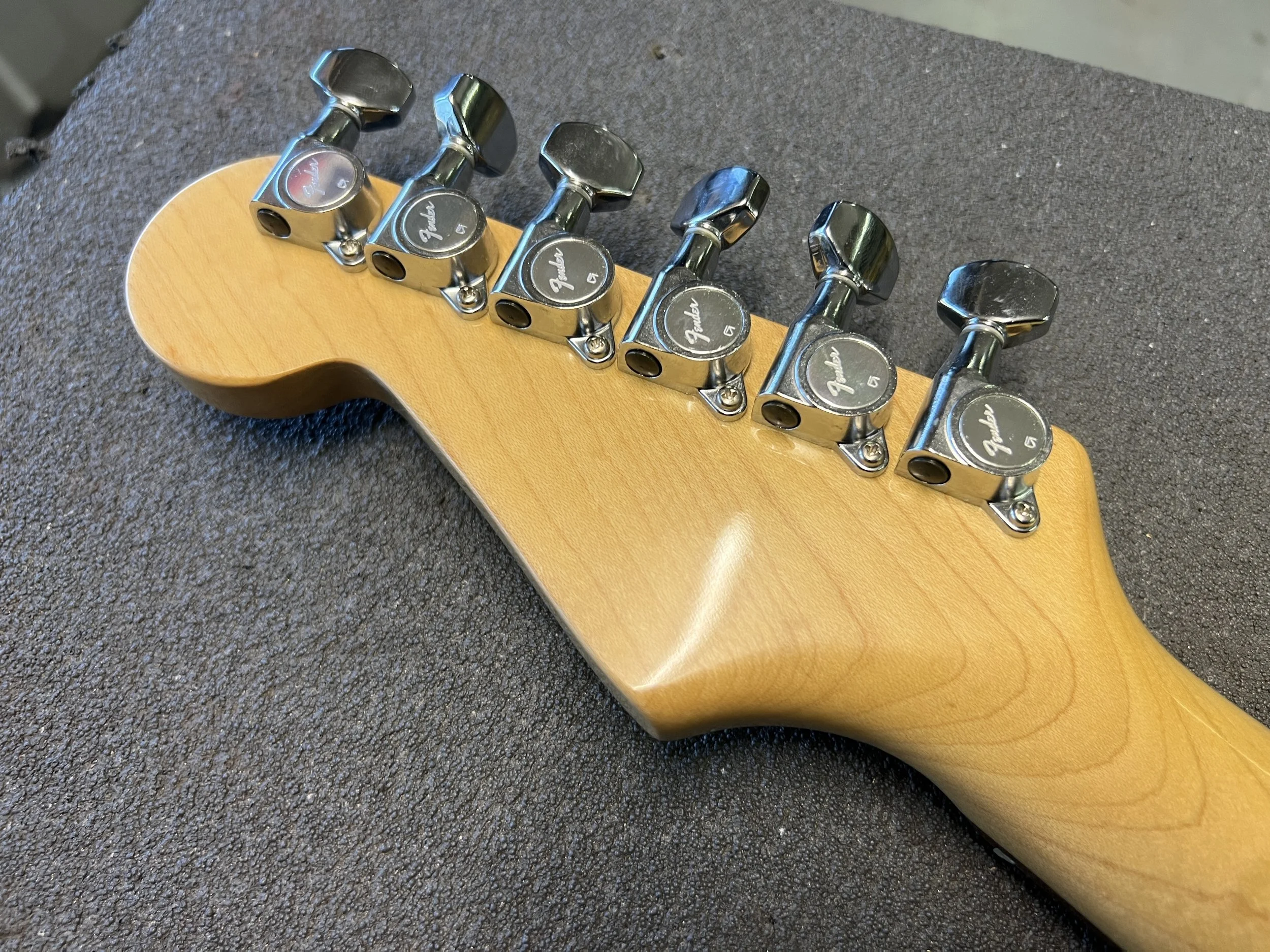
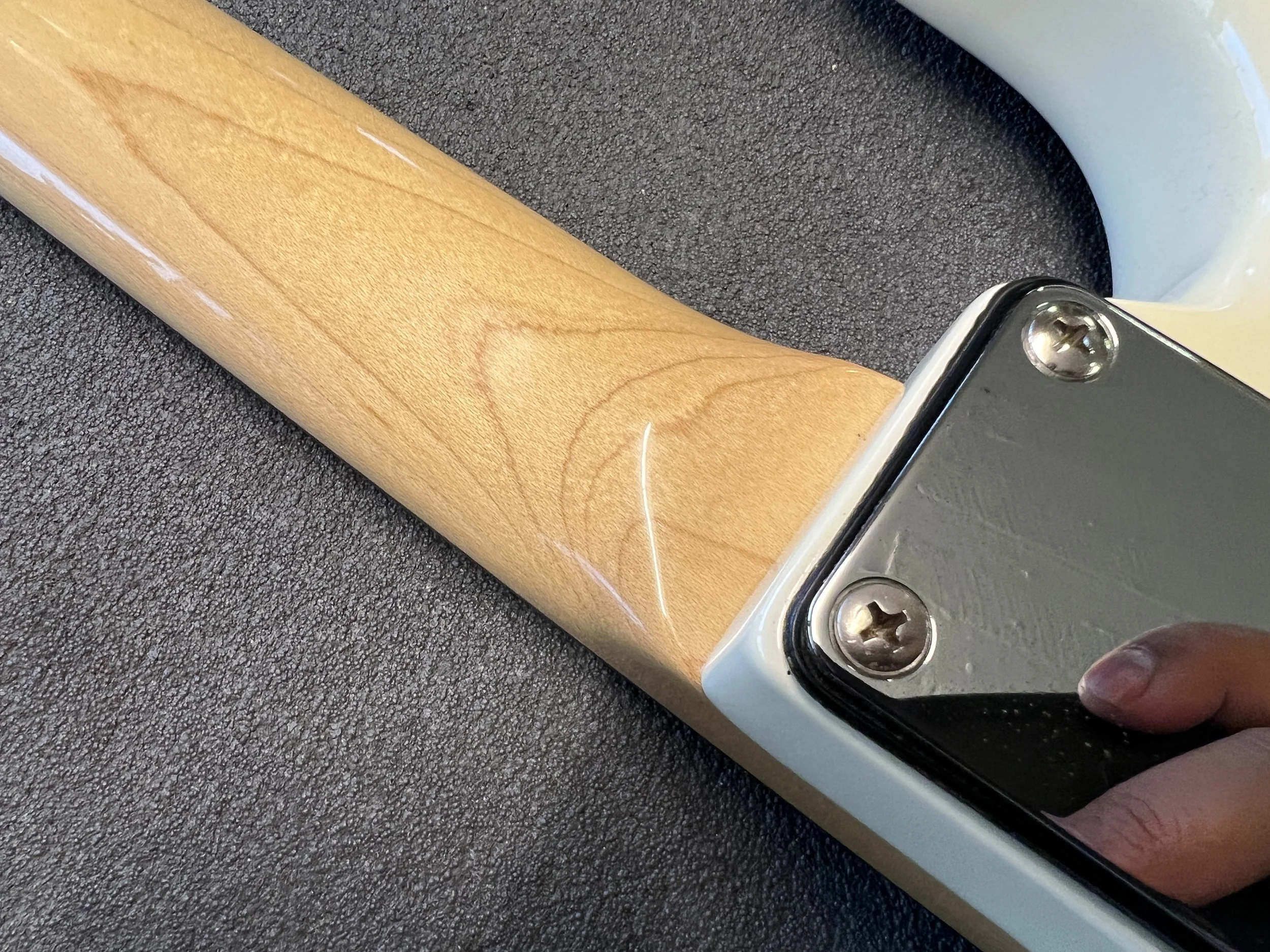
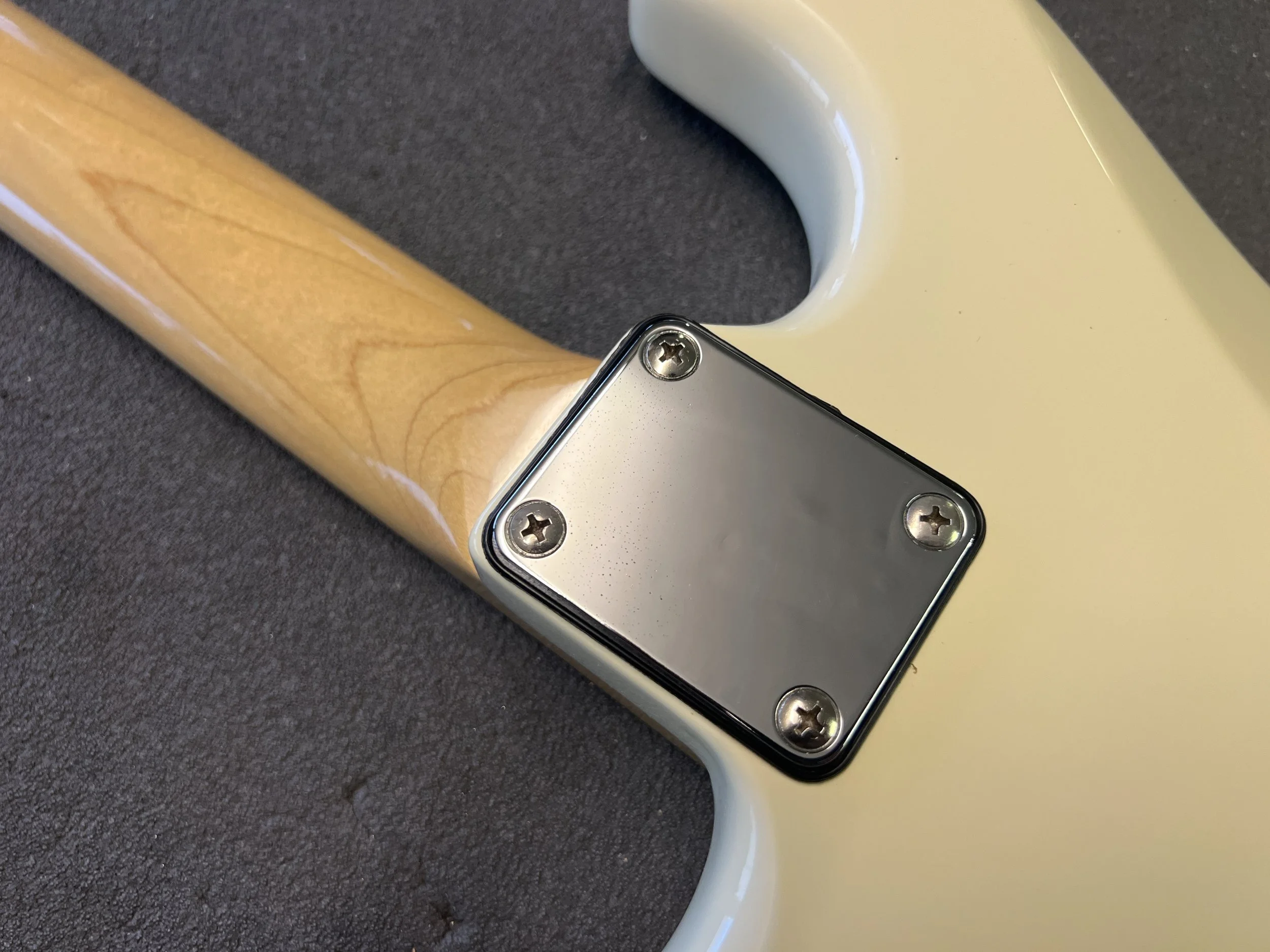
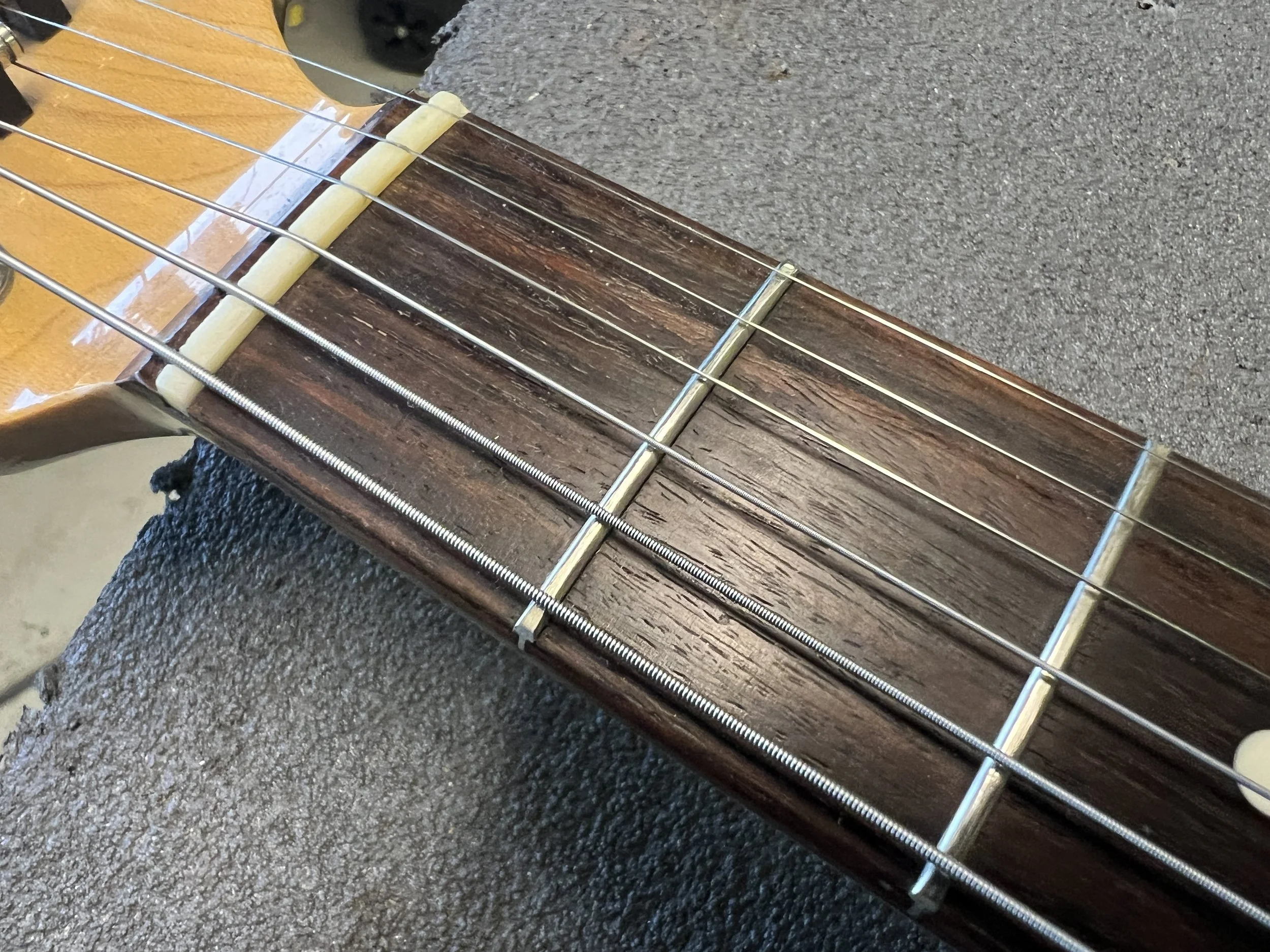
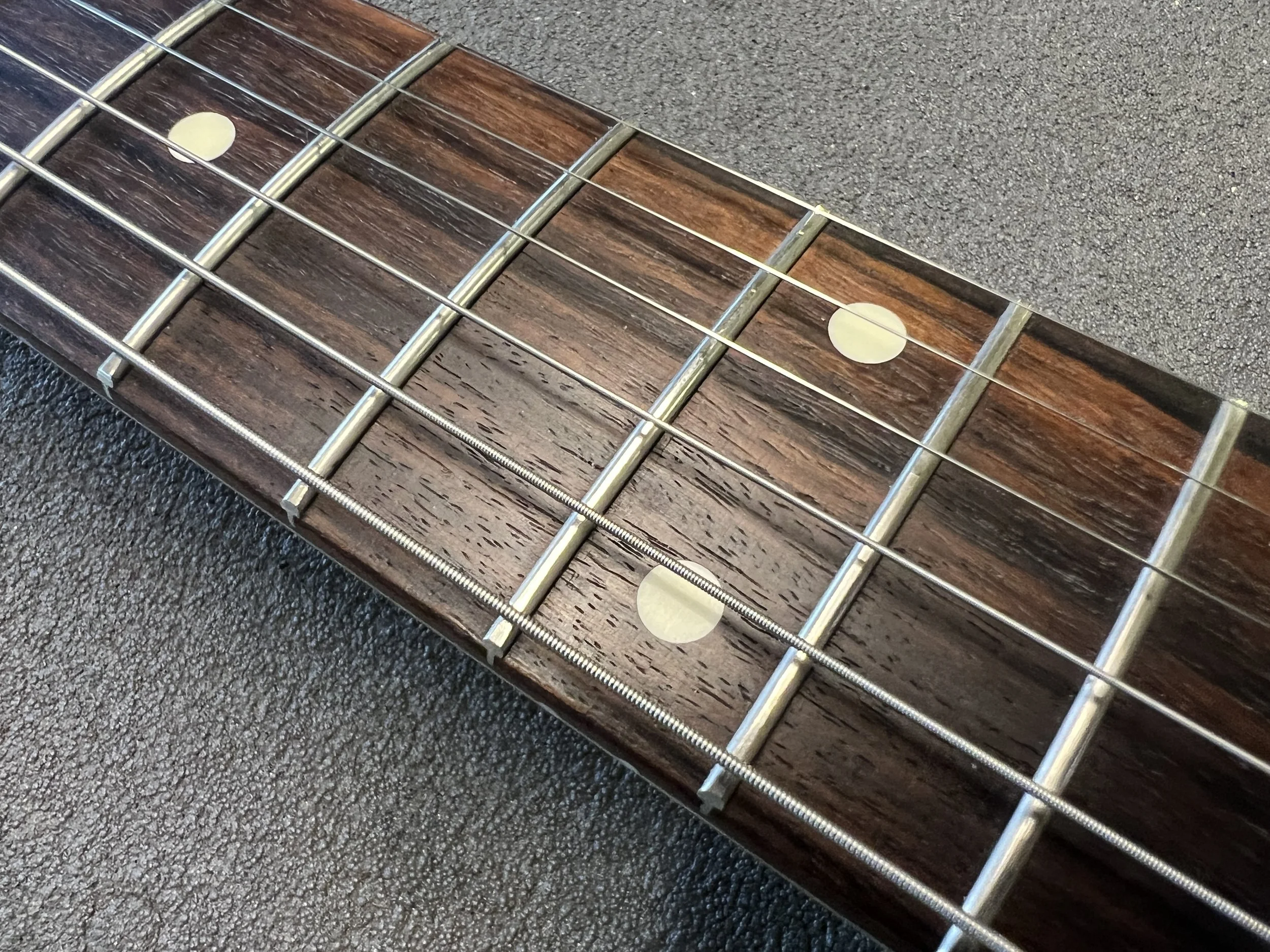
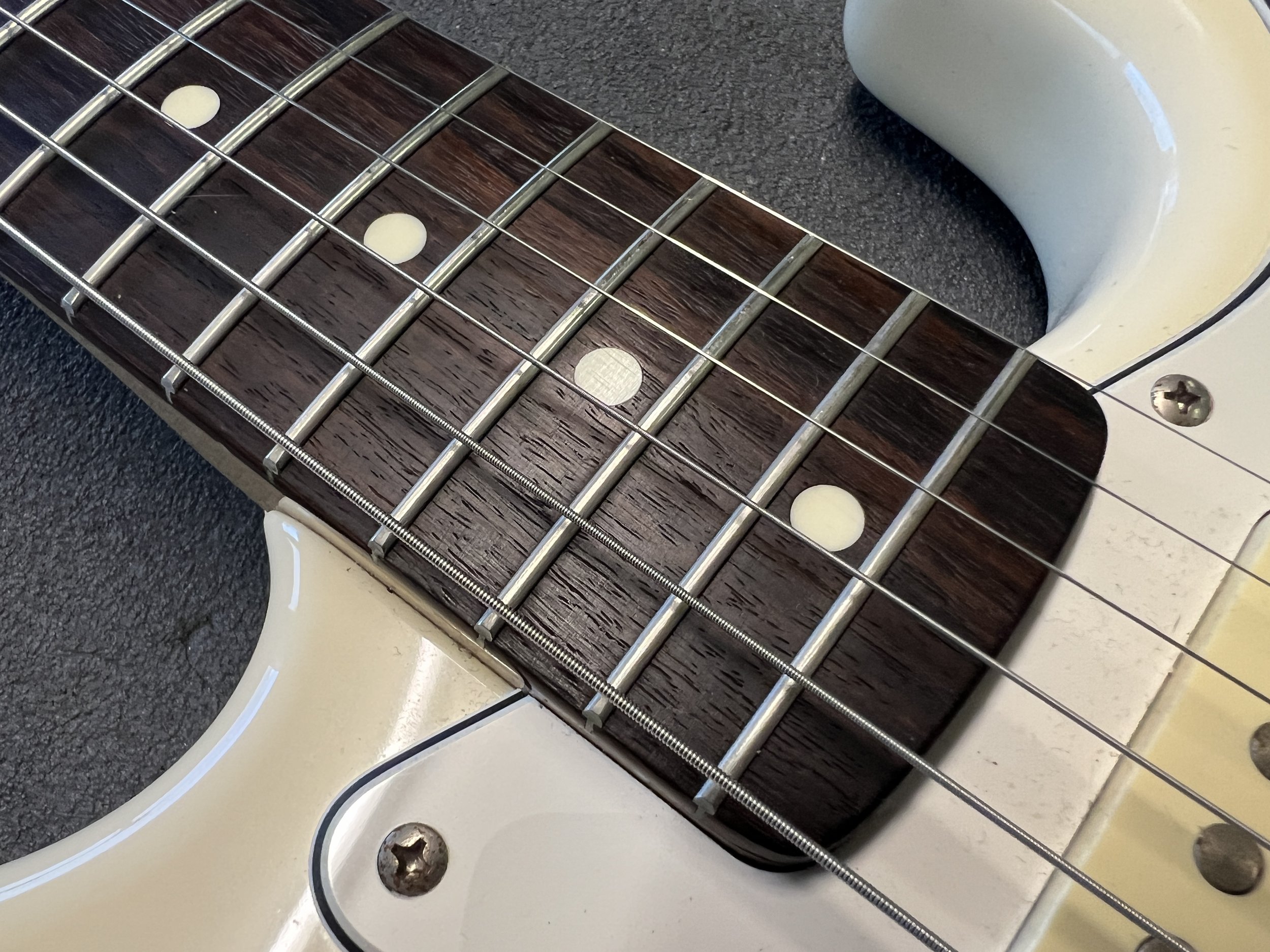
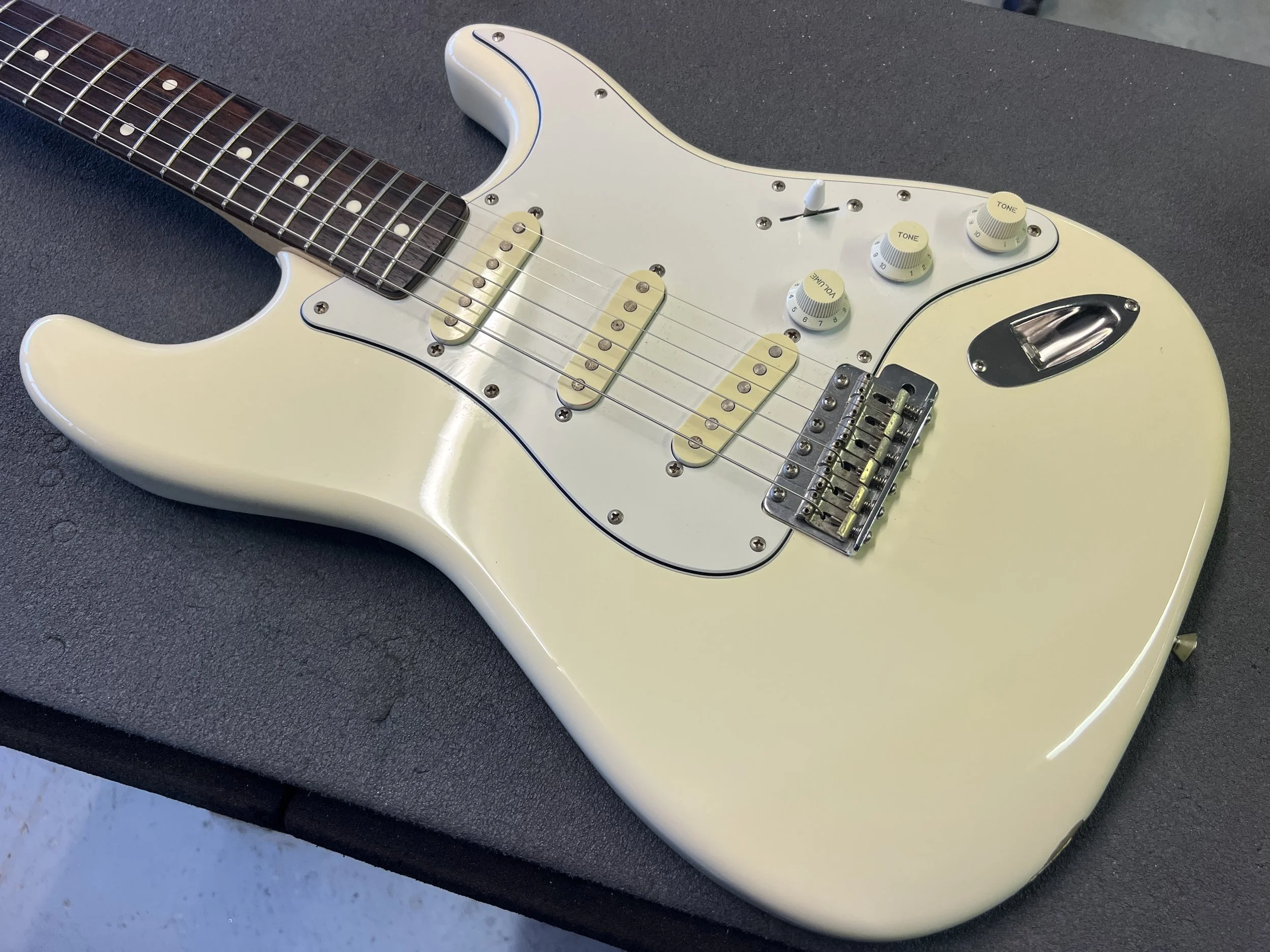
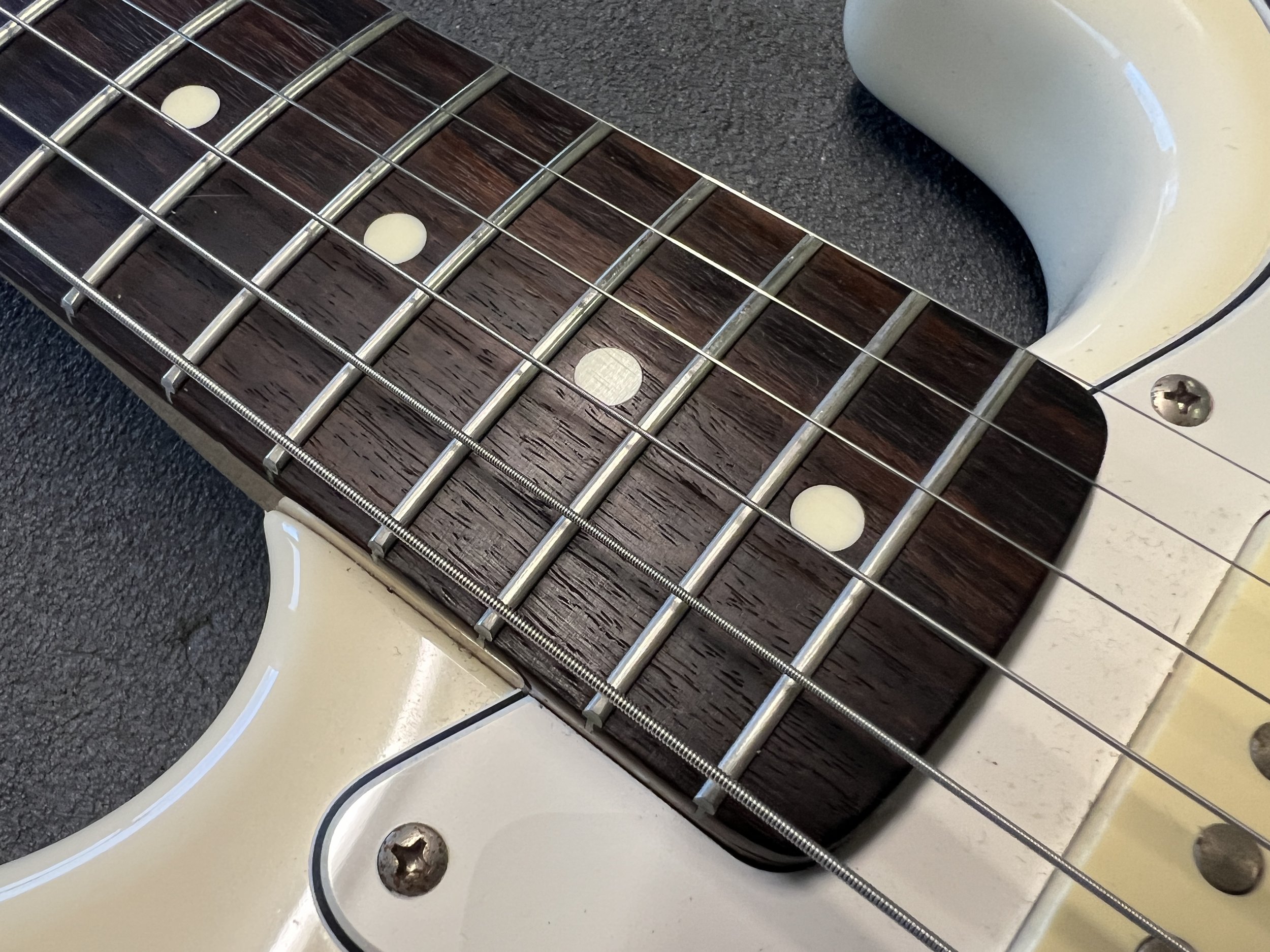
So, let’s talk about this specific early 80s Squier Japan Stratocaster.
The neck is very narrow with a rounded profile and no "shoulders." It feels a bit small for my hands since I'm used to "baseball bat" necks, but it’s still comfortable if you like that style.
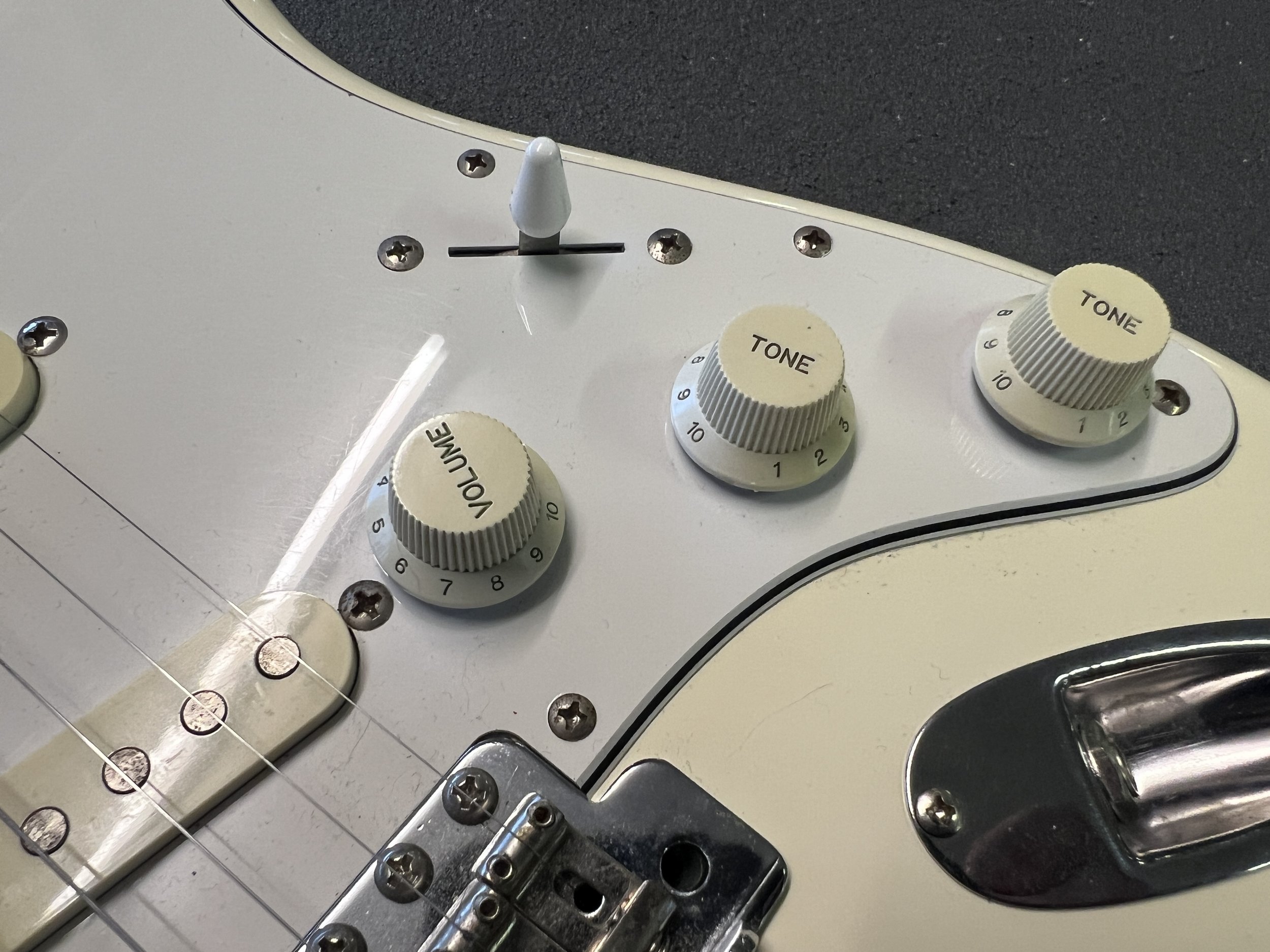
The electronics are interesting—the pickups are clear and a little weak, yet they don't sound "cheap" at all. There are no sterile or hollow frequencies here; they’re actually very good. Unfortunately, this guitar was "molested" with a terrible shielding job. To prevent shorting, the previous owner decided to just wrap all the potentiometers and the switch in tape. No comment on that one.
The whole guitar feels just a tiny bit smaller. The body is a tad skinnier, matching the feel of the neck. If I had to guess, Fender Japan’s idea was to hook kids or youngsters with this brand and then work them up the ladder—classic capitalist strategy, right?
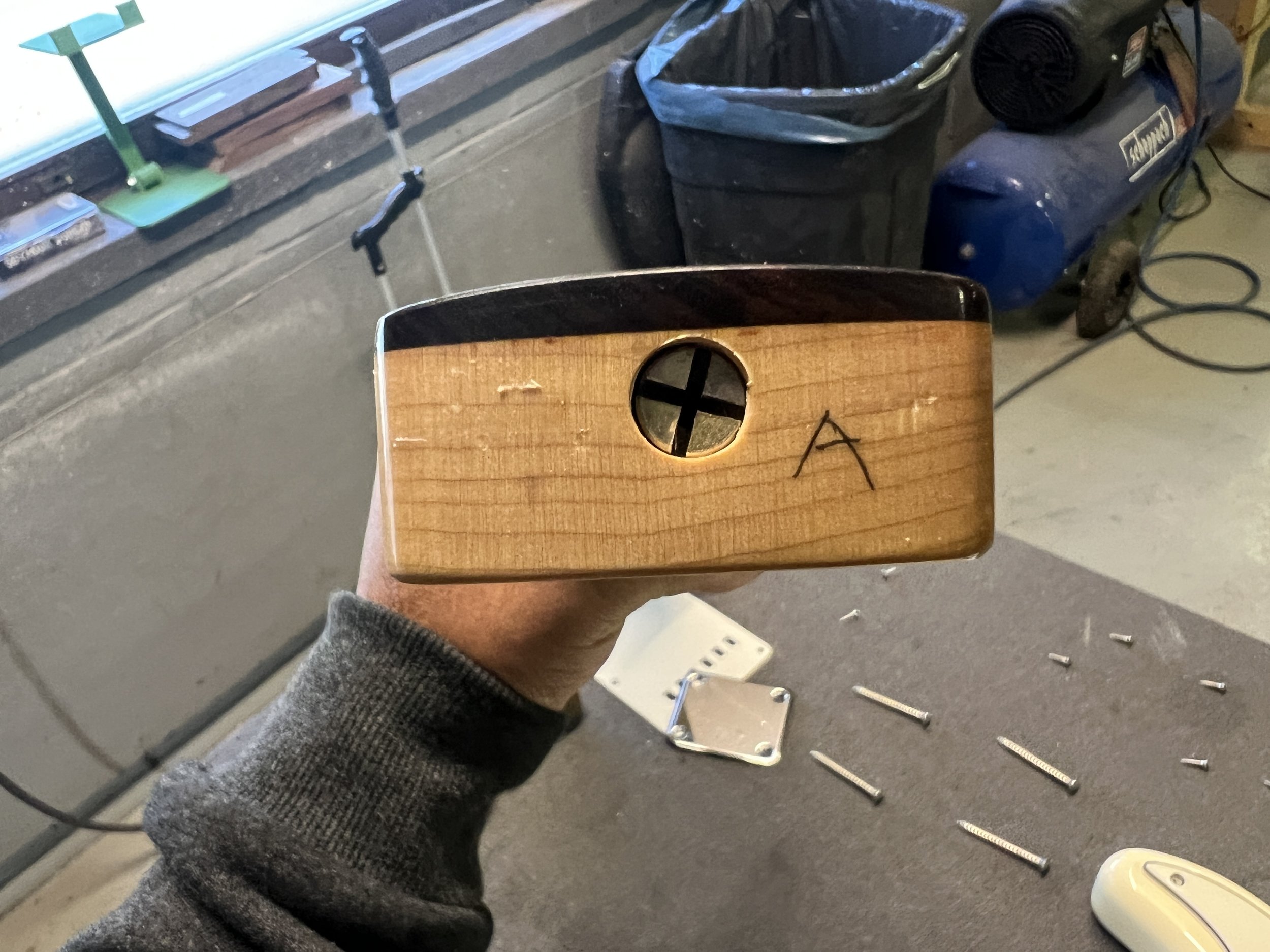
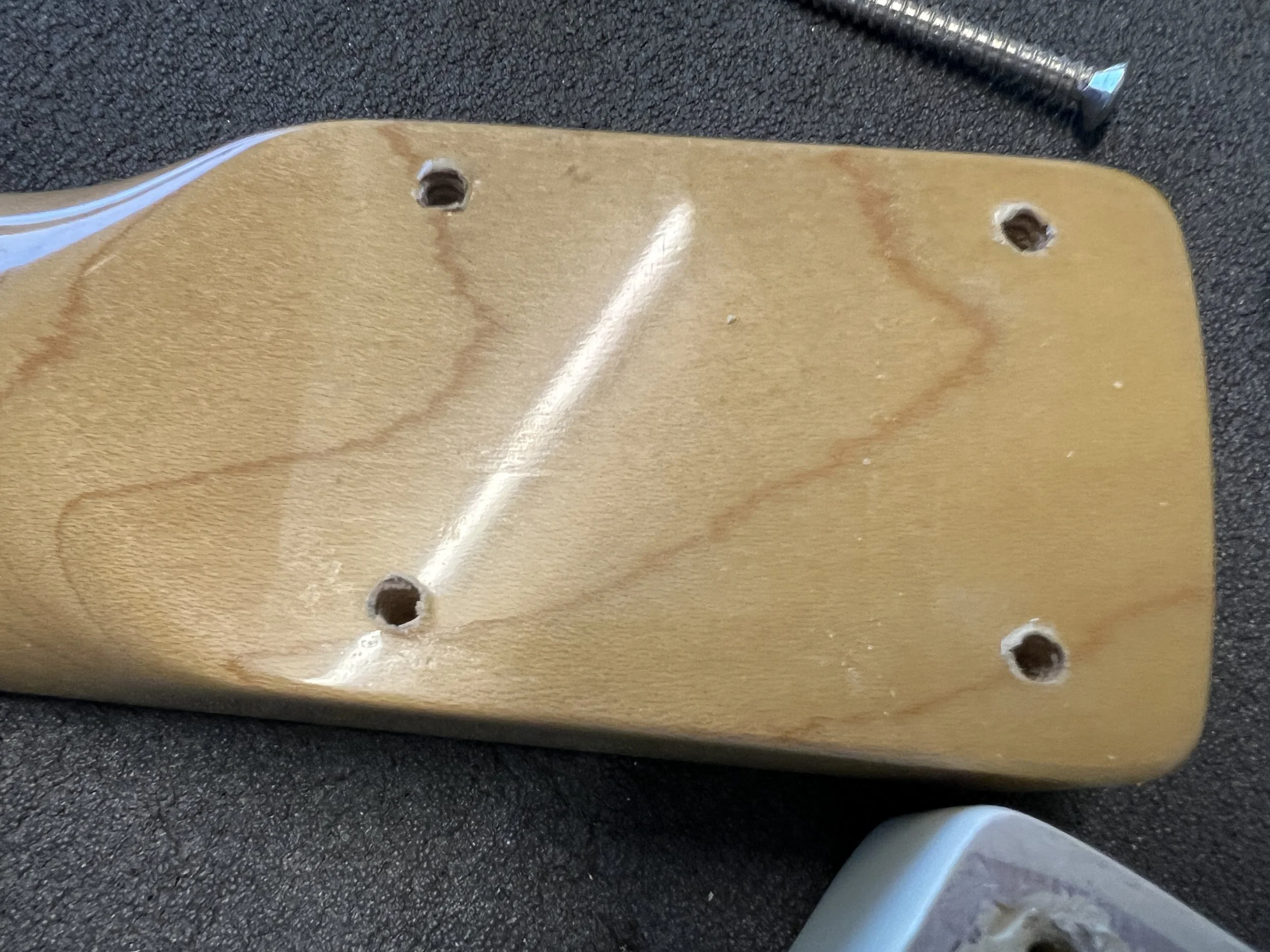
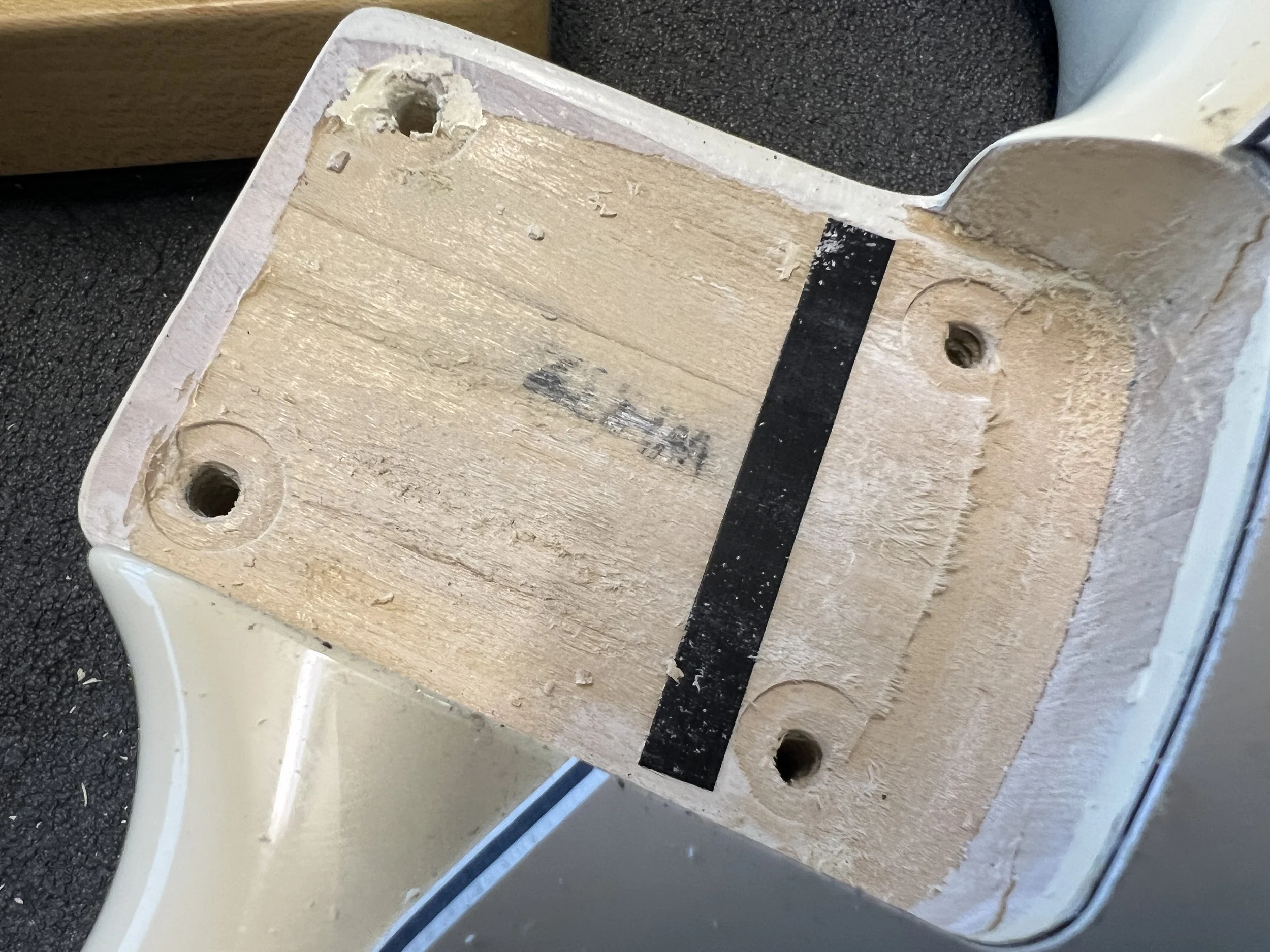
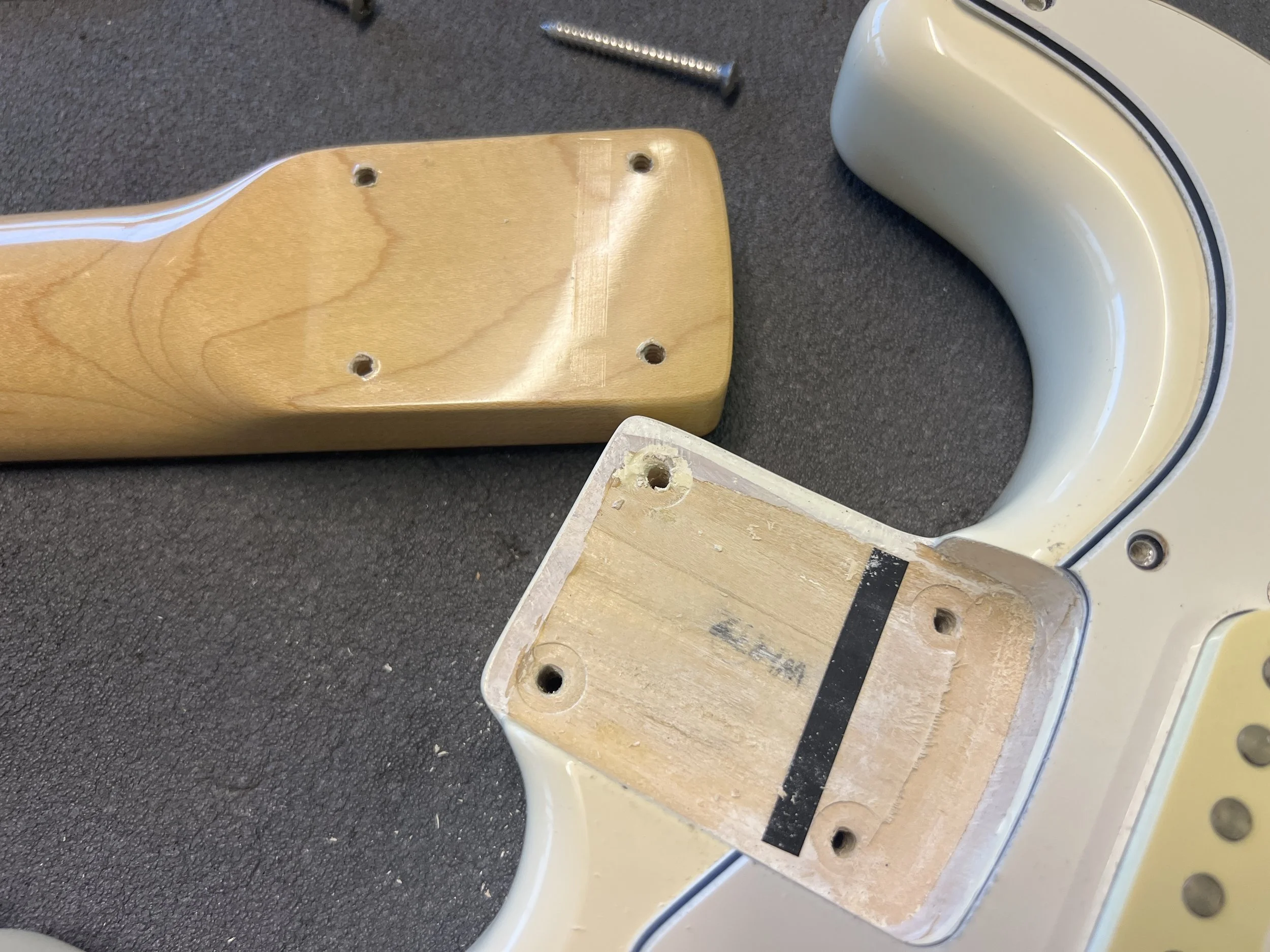
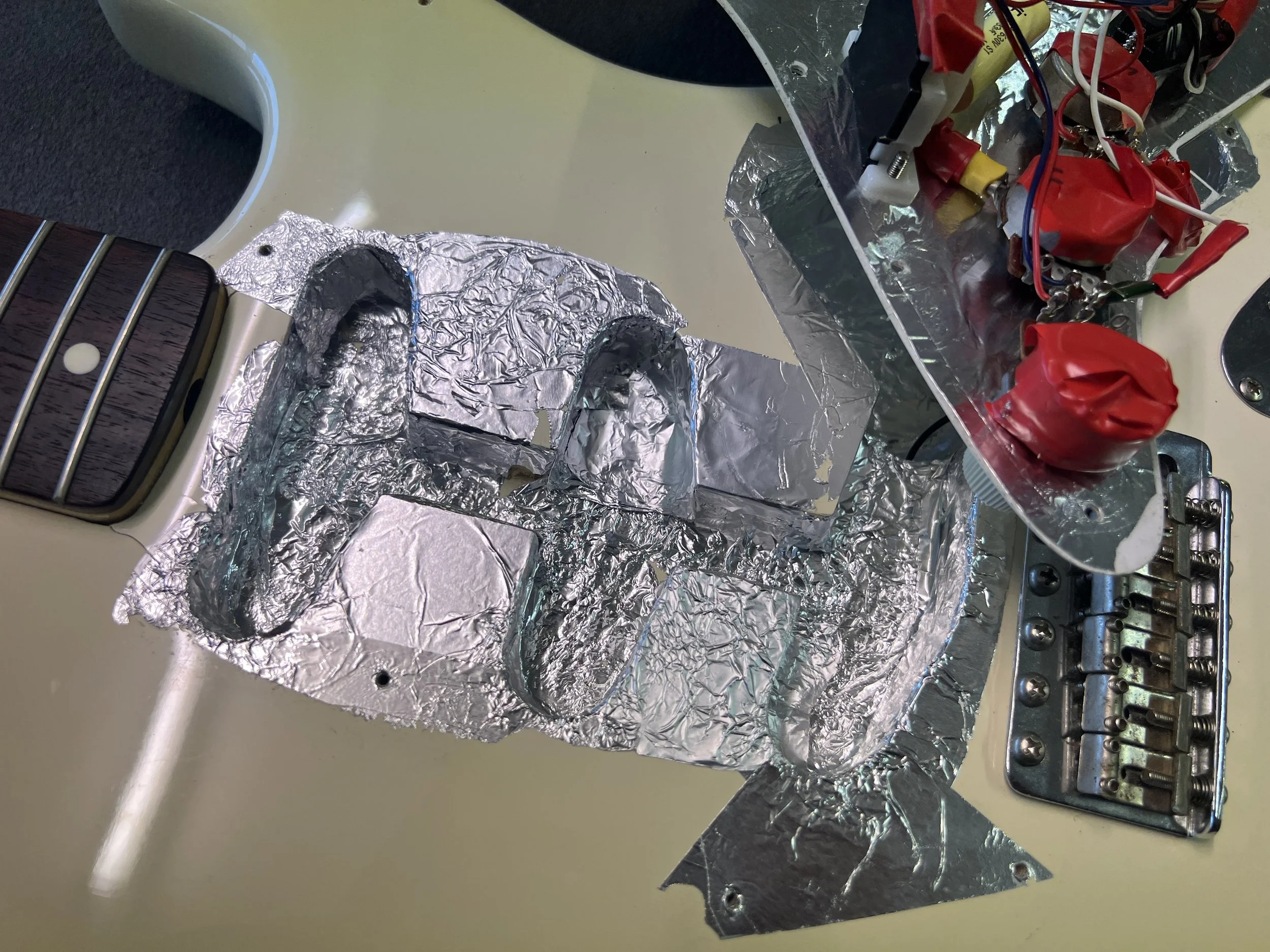
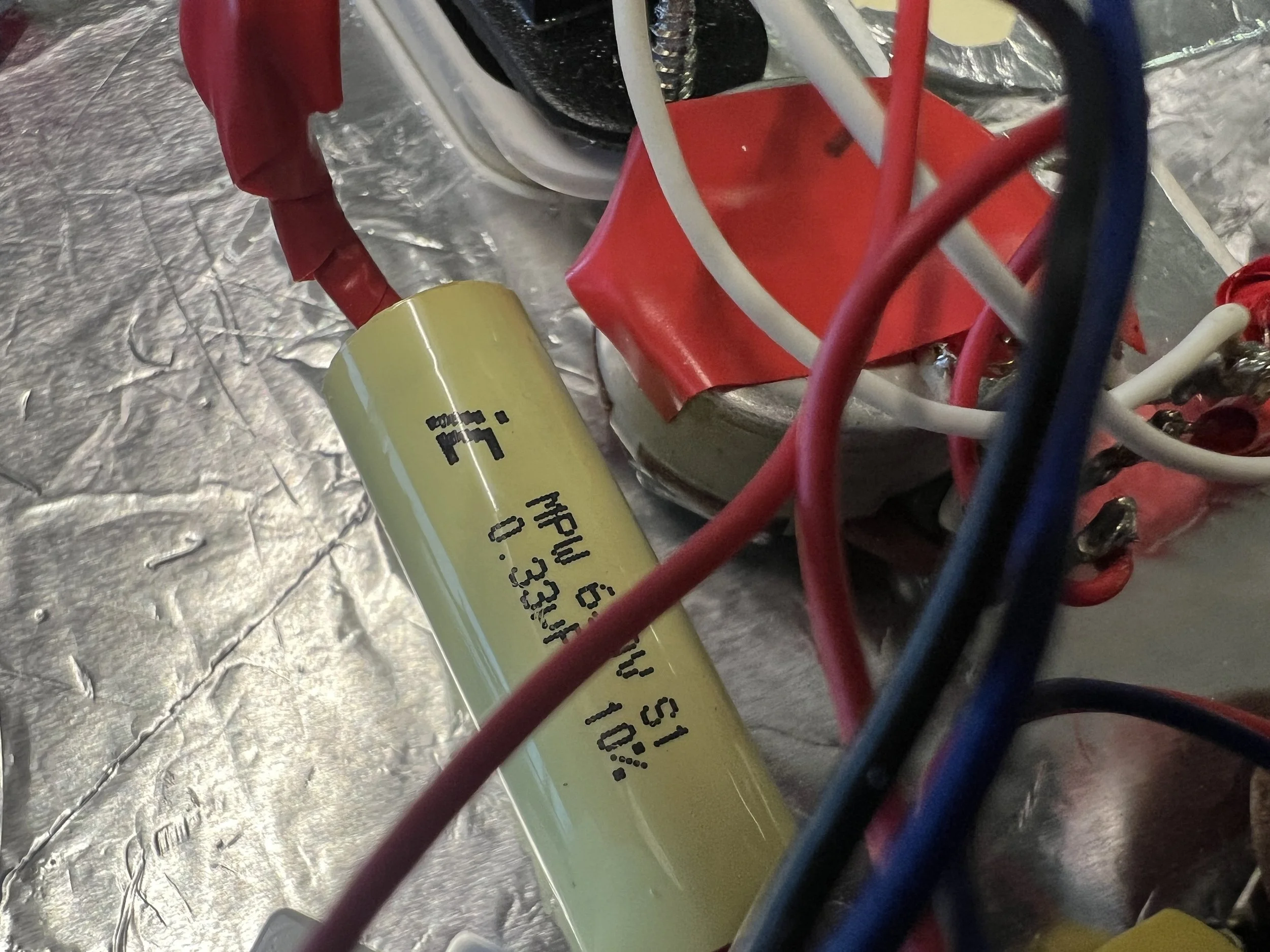
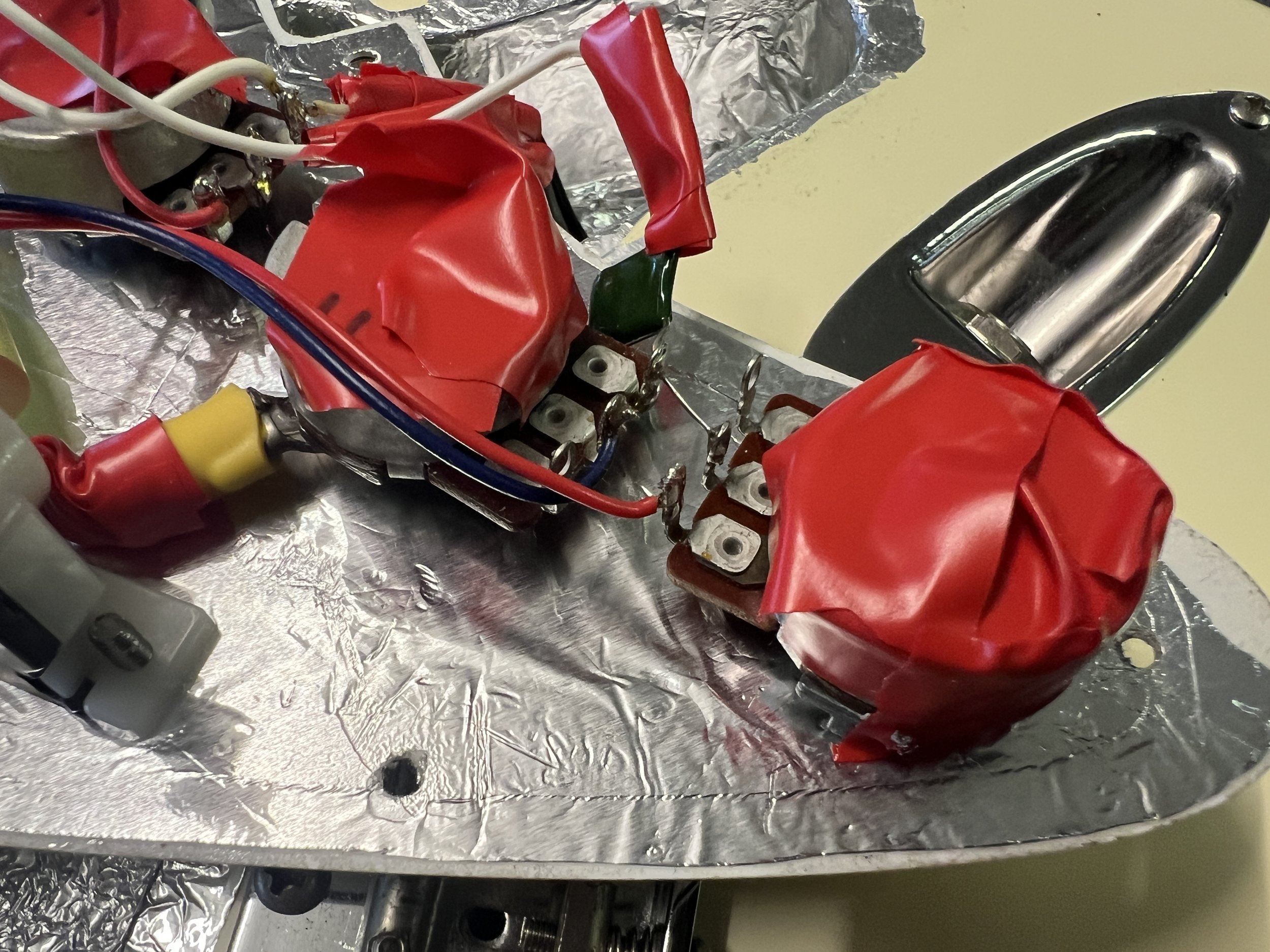
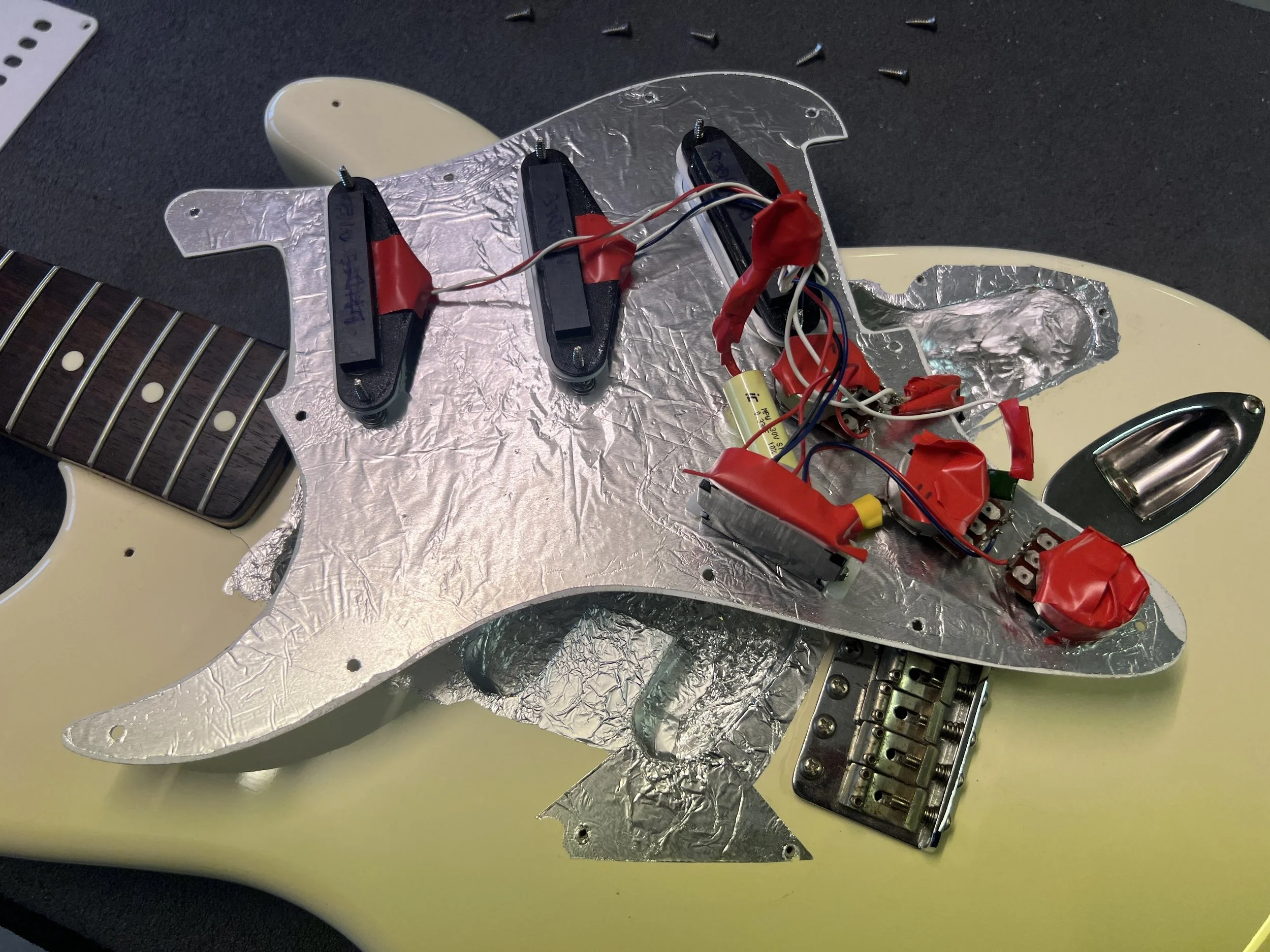
This is the type of guitar where you either know exactly what you have and that's why it's in your collection, or you inherited it and have no idea what’s sitting in the case. In my 21 years as a professional guitar tech, I’ve only worked on a handful of these. Early in my career, I just thought they were "good, rare Squiers." Eventually, I learned the history. That’s why when they come into my shop, I always check if the client knows what they’re holding. A JV-prefix Squier can easily go for over 1,000€. If a player just sees the Squier name and assumes it’s a junker, they’re missing out on a world-class instrument.
Let's be honest: players, enthusiasts, and gear-heads alike—sometimes we don't think. We just react to the logo on the headstock. right?