
Fender Lead II: The American Guitar with a Japanese Soul
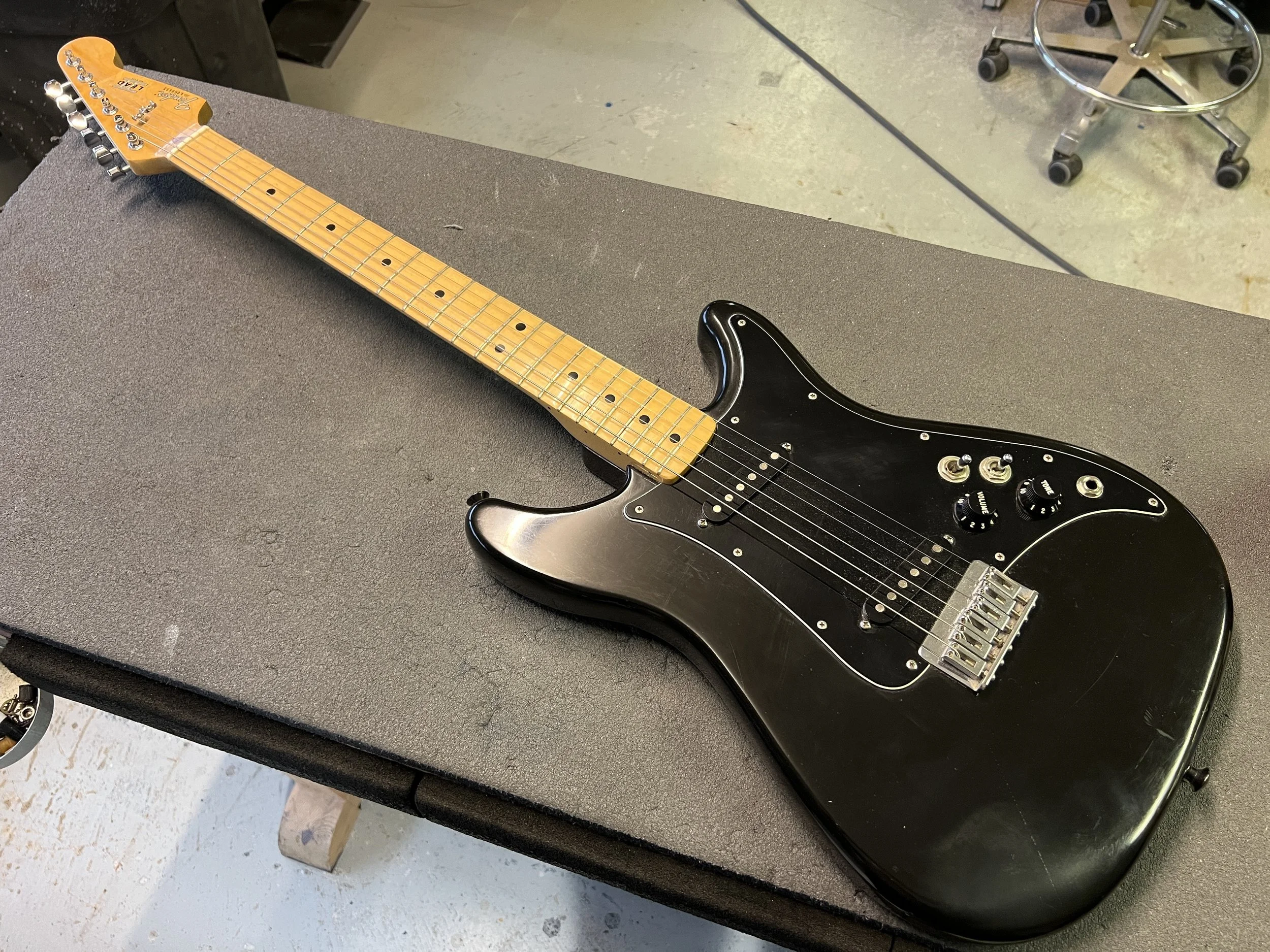
Fender LEAD II
Recently, a client brought me this baby, and I say "baby" literally because this guitar looks and feels small. To my knowledge, I don't remember having one of these in my shop before, so I’ll pretend I’m a virgin again and just act like I’ve never experienced a Fender Lead II.
Now, this is the part where I’m supposed to Google the guitar and then paste the data here like I know every instrument ever made. (Remind me to paste text here). Nah, you can do that job on your own. I’m only going to give you the facts as I experienced them.
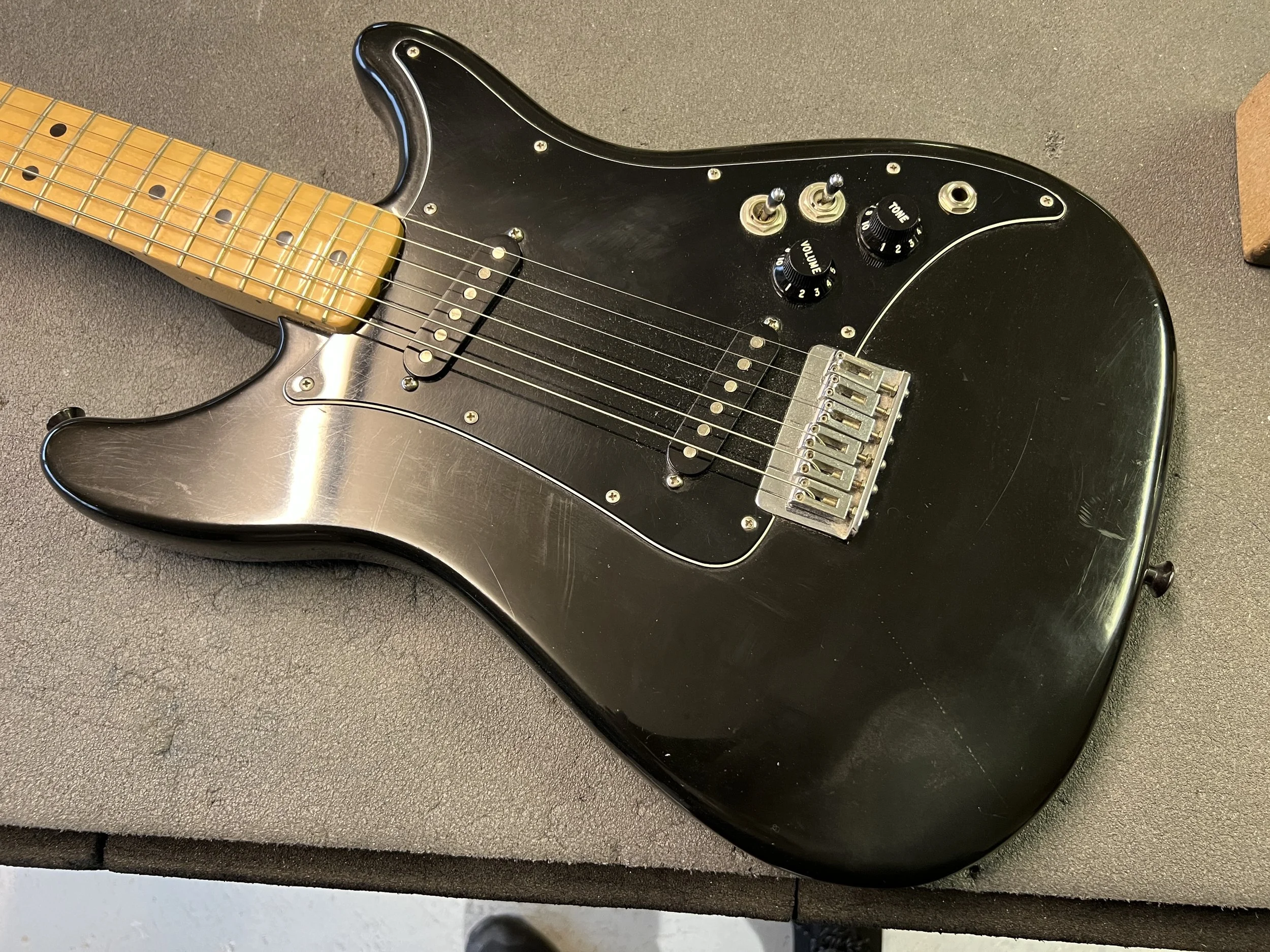
Fender LEAD II
As I said at the beginning, the guitar feels small. I don’t know who the target audience was for this model, but apparently, it wasn’t students. It has a standard Fender 25.5” scale, but the guitar just feels Japanese. It’s like Fender CBS was trying to mimic Japanese guitars; perhaps that was the whole point, to be honest. If you’ve tried late '70s or early '80s guitars from Japan, you know exactly what I mean, and that’s a weird vibe for a USA Fender.
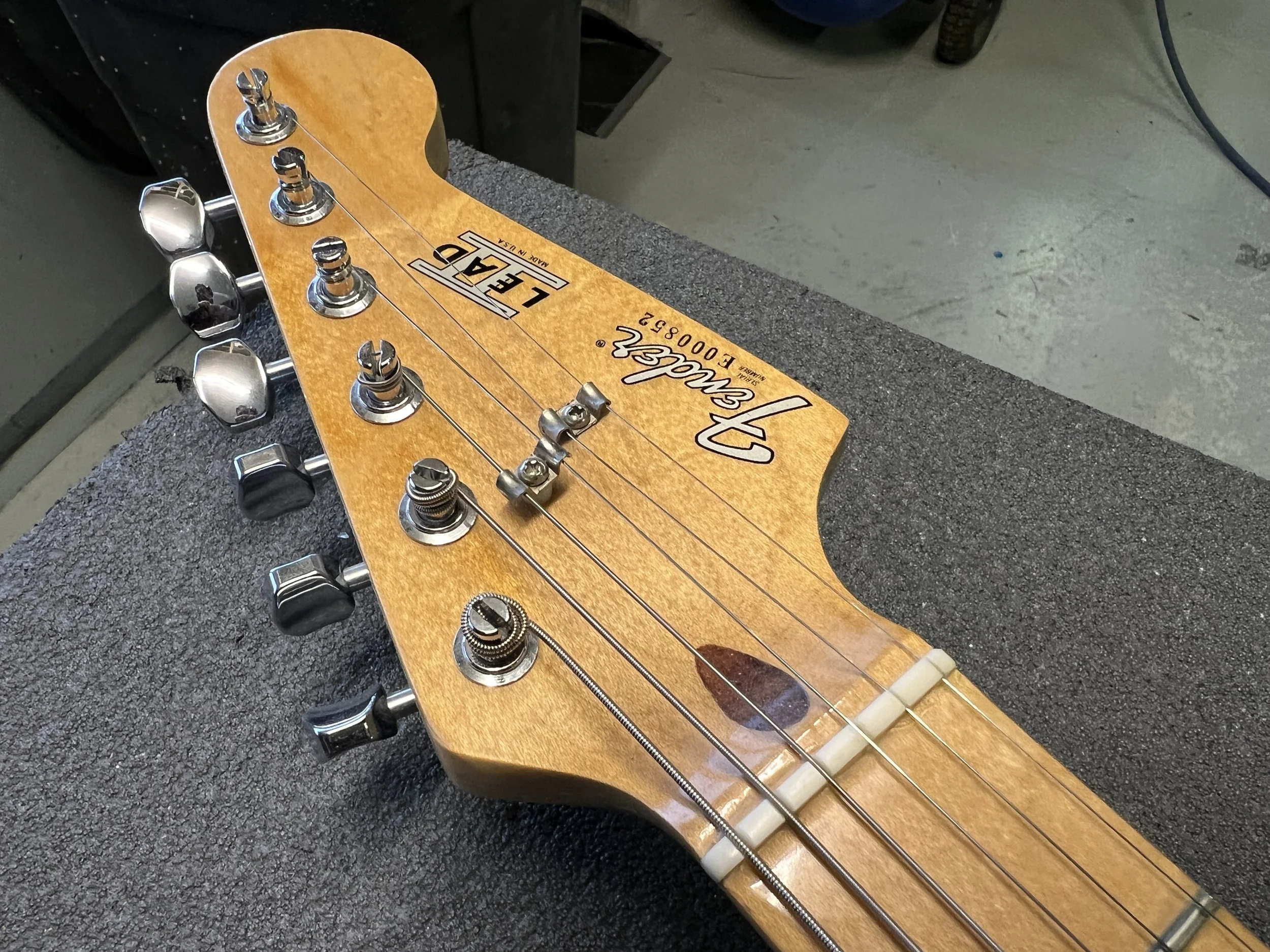
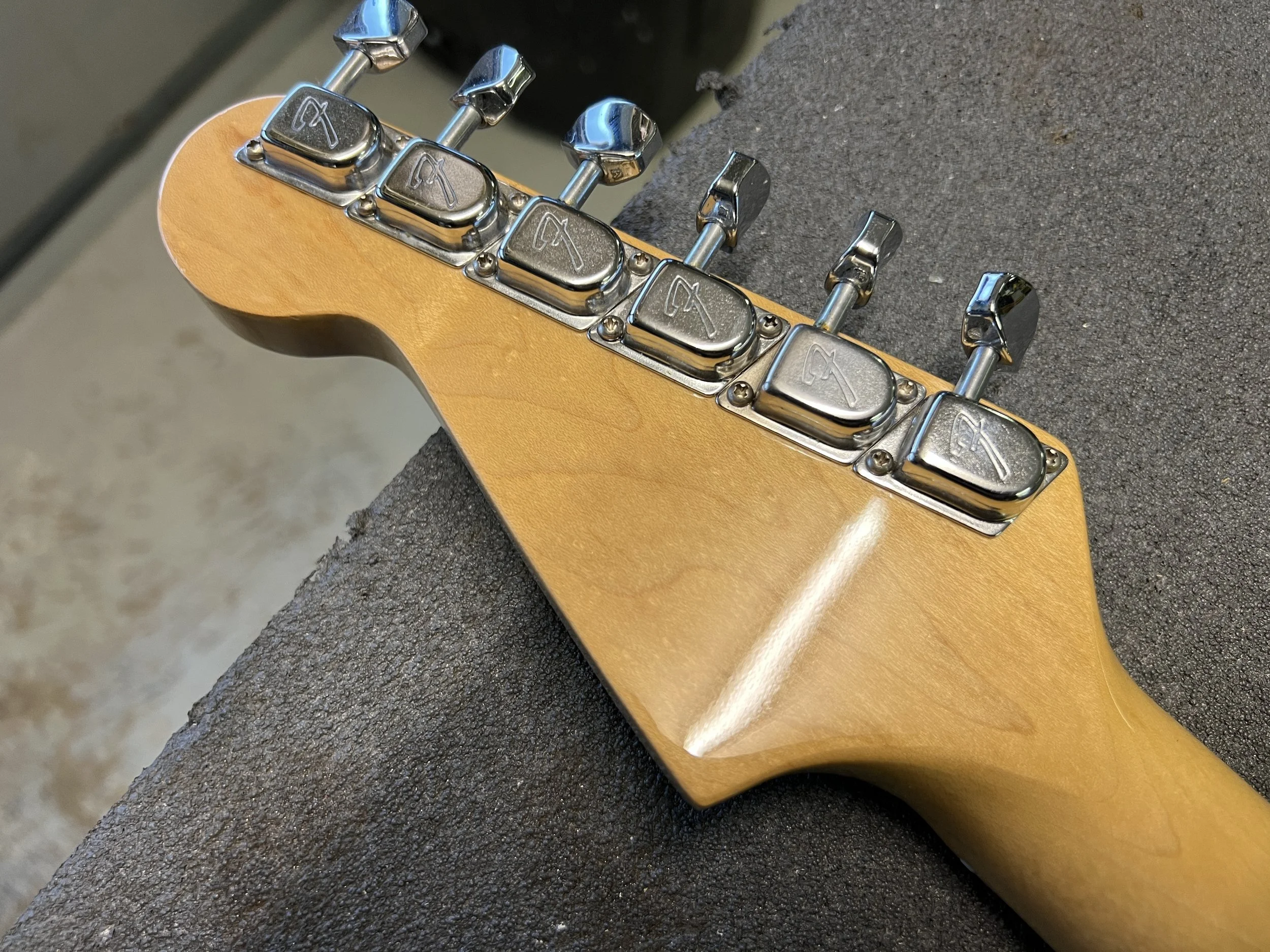
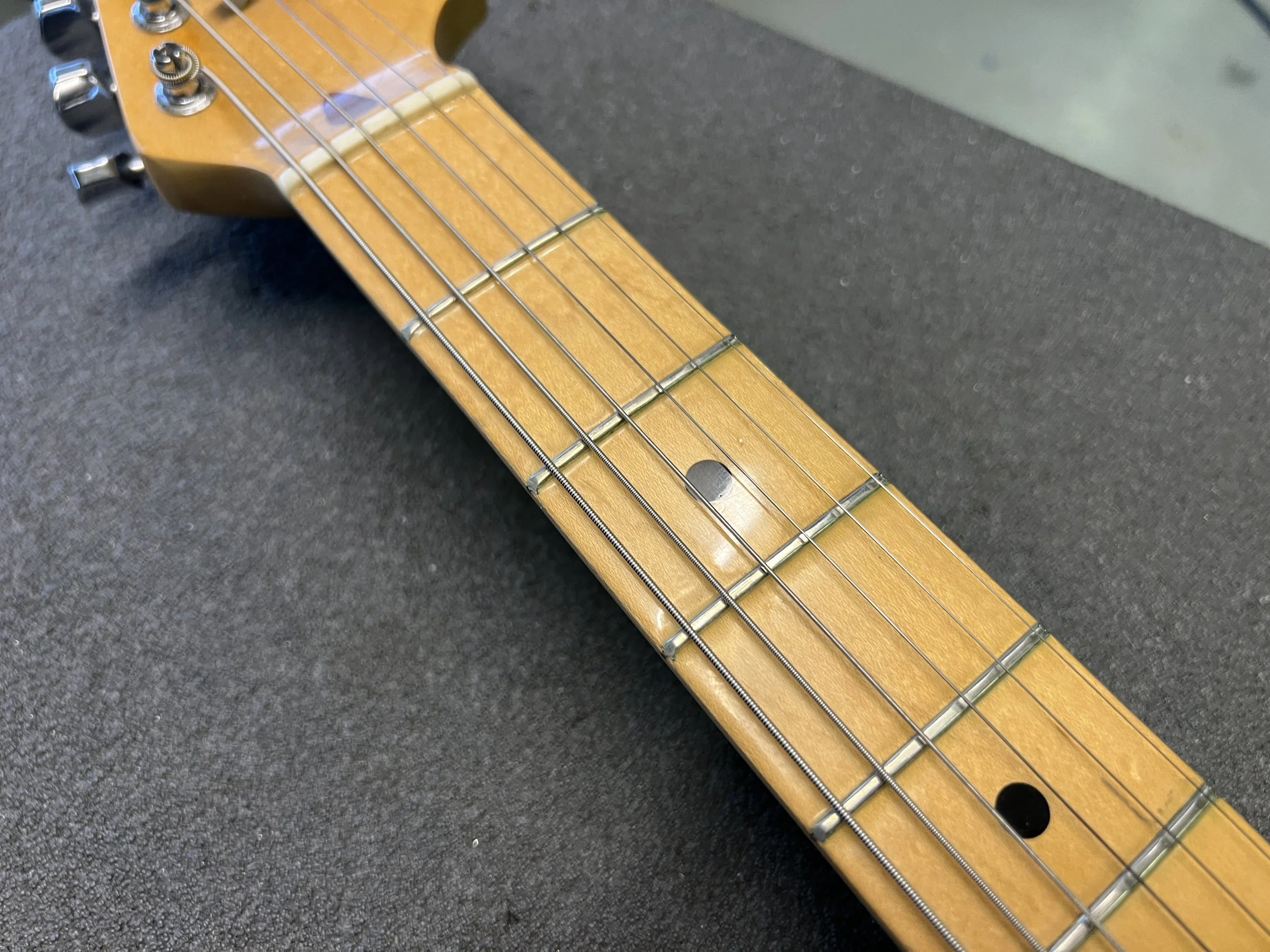
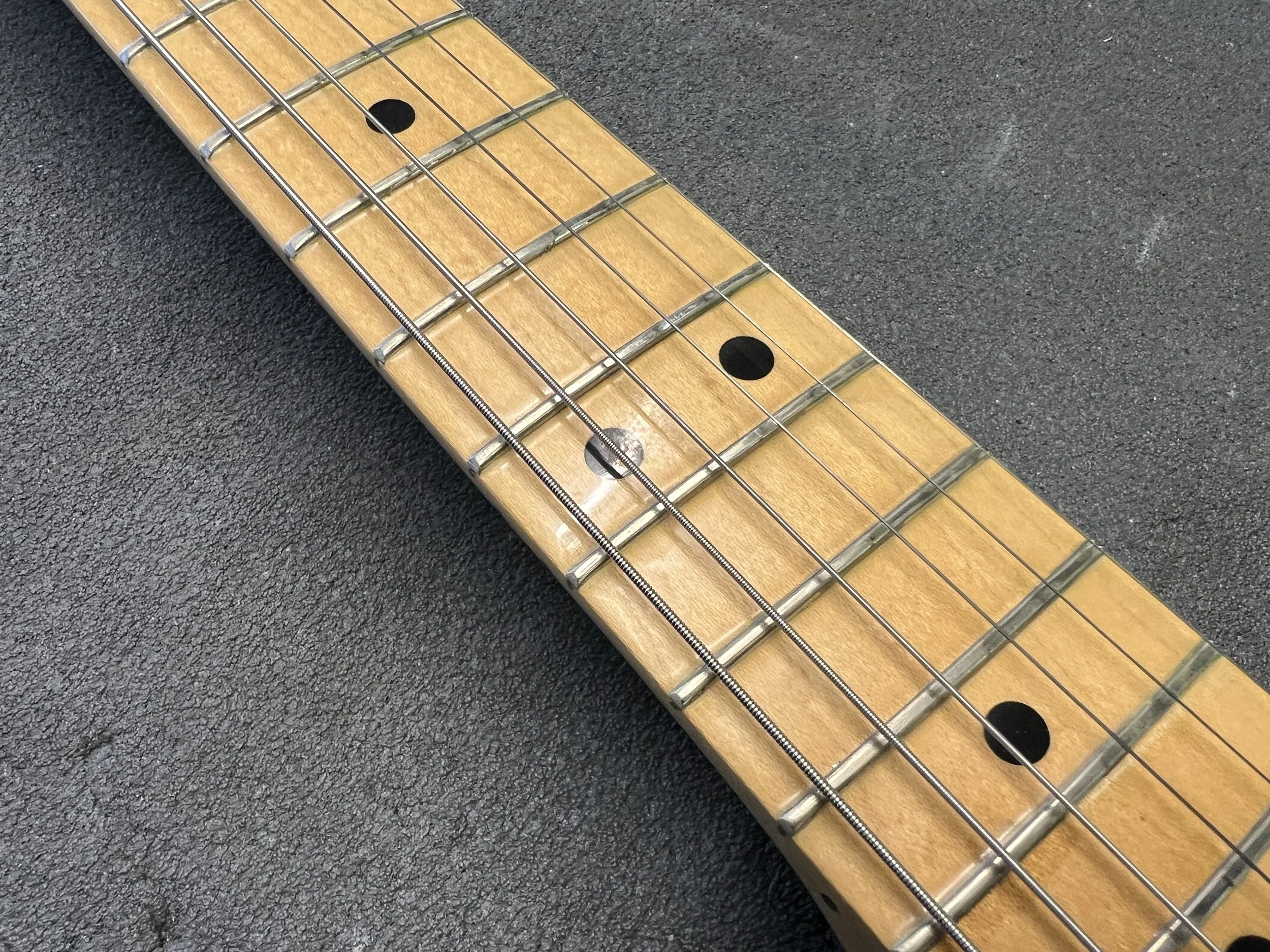
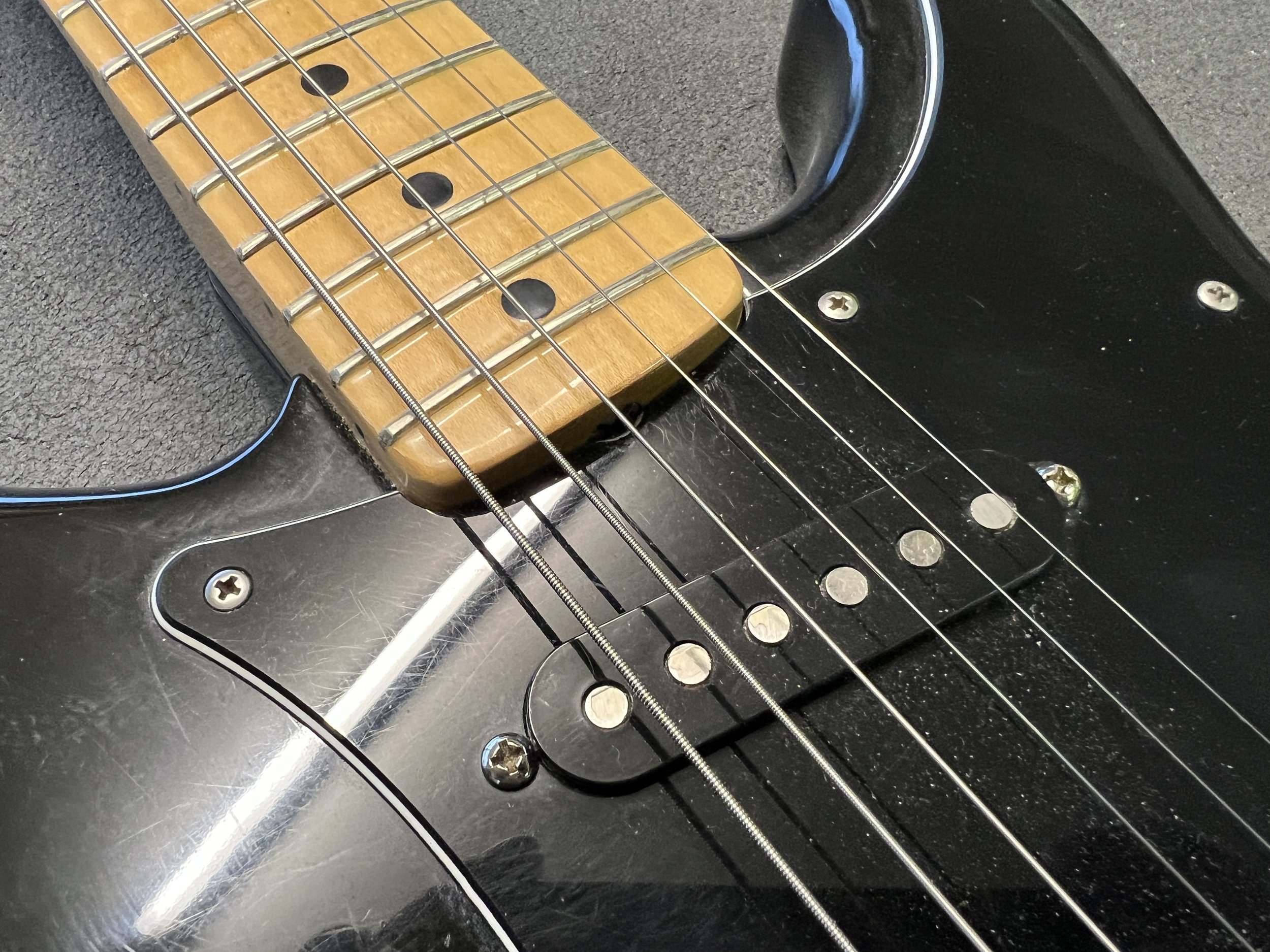
Moving on to the neck: we find a bone nut and vintage frets, though they aren’t super skinny; they’re a bit taller, I’d say. Even though it’s a CBS-era guitar, it has a "normal" small headstock. The finish is polyester, and they decided to go with that vintage-style construction where the truss rod access is at the heel. It’s a narrow neck, very compact indeed, but comfortable. While it was in the shop, it was really nice to play. I can't say if the narrow width would become a hindrance after a while, especially since I’m biased toward "baseball bat" style necks.
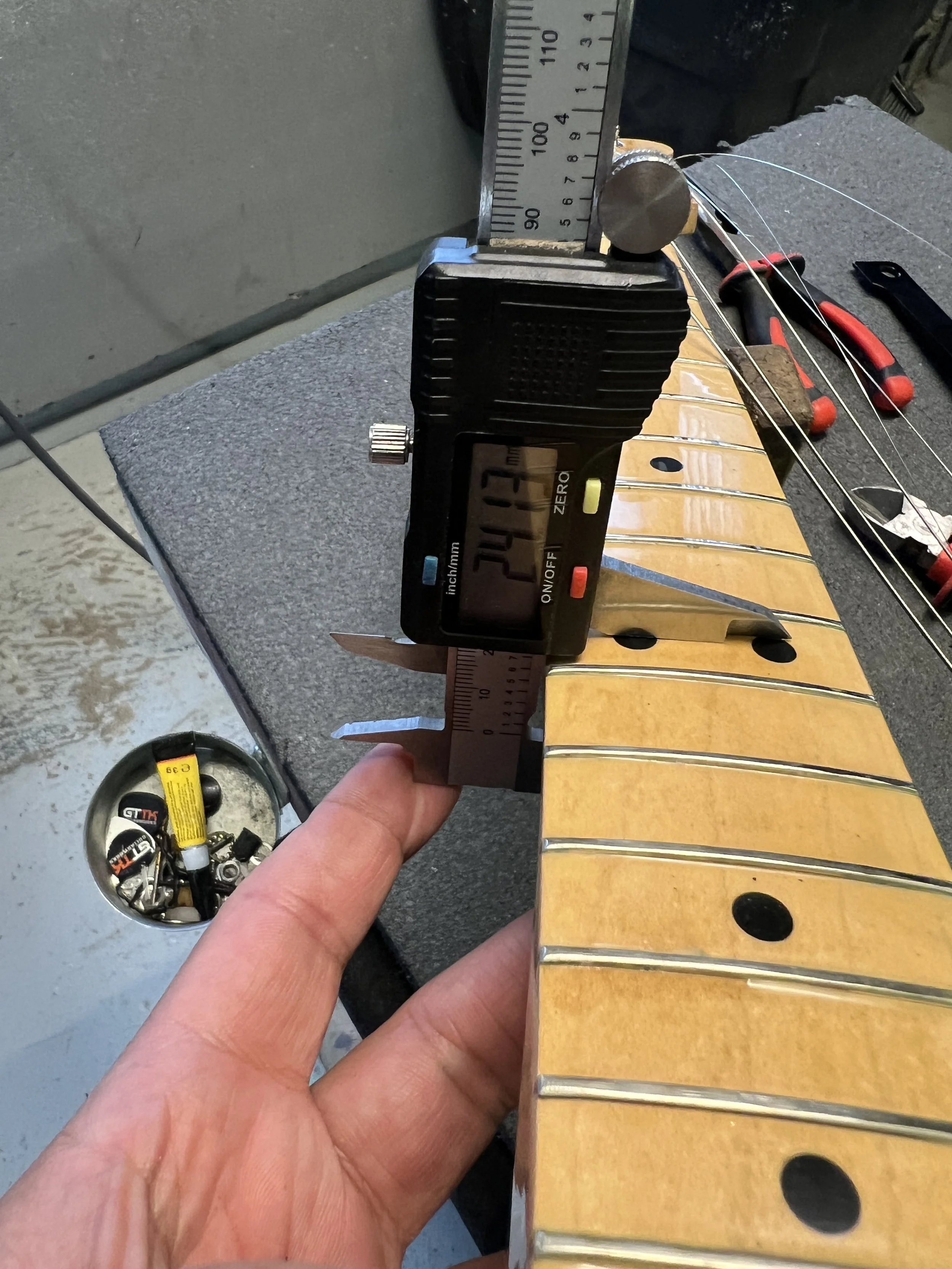
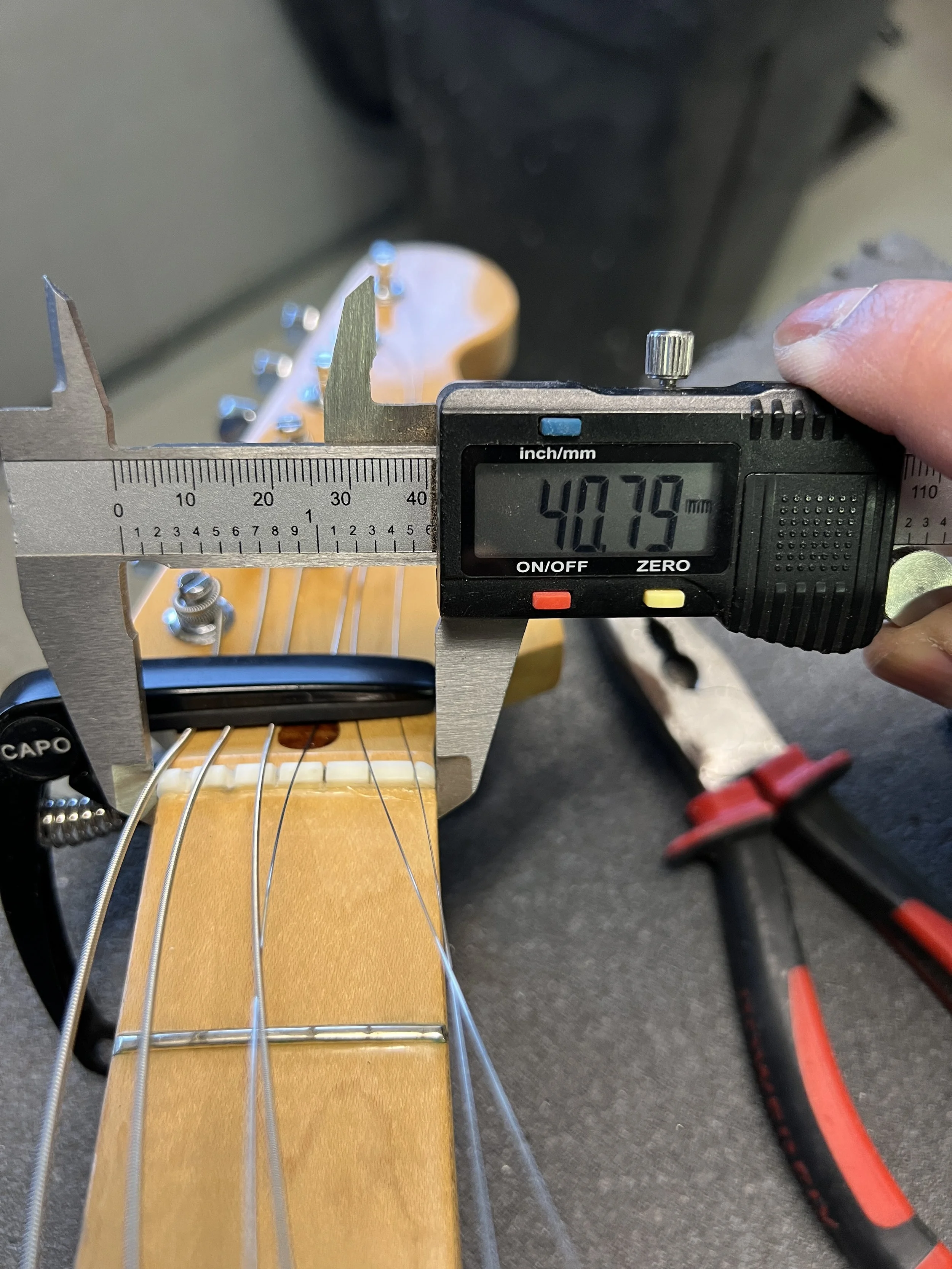
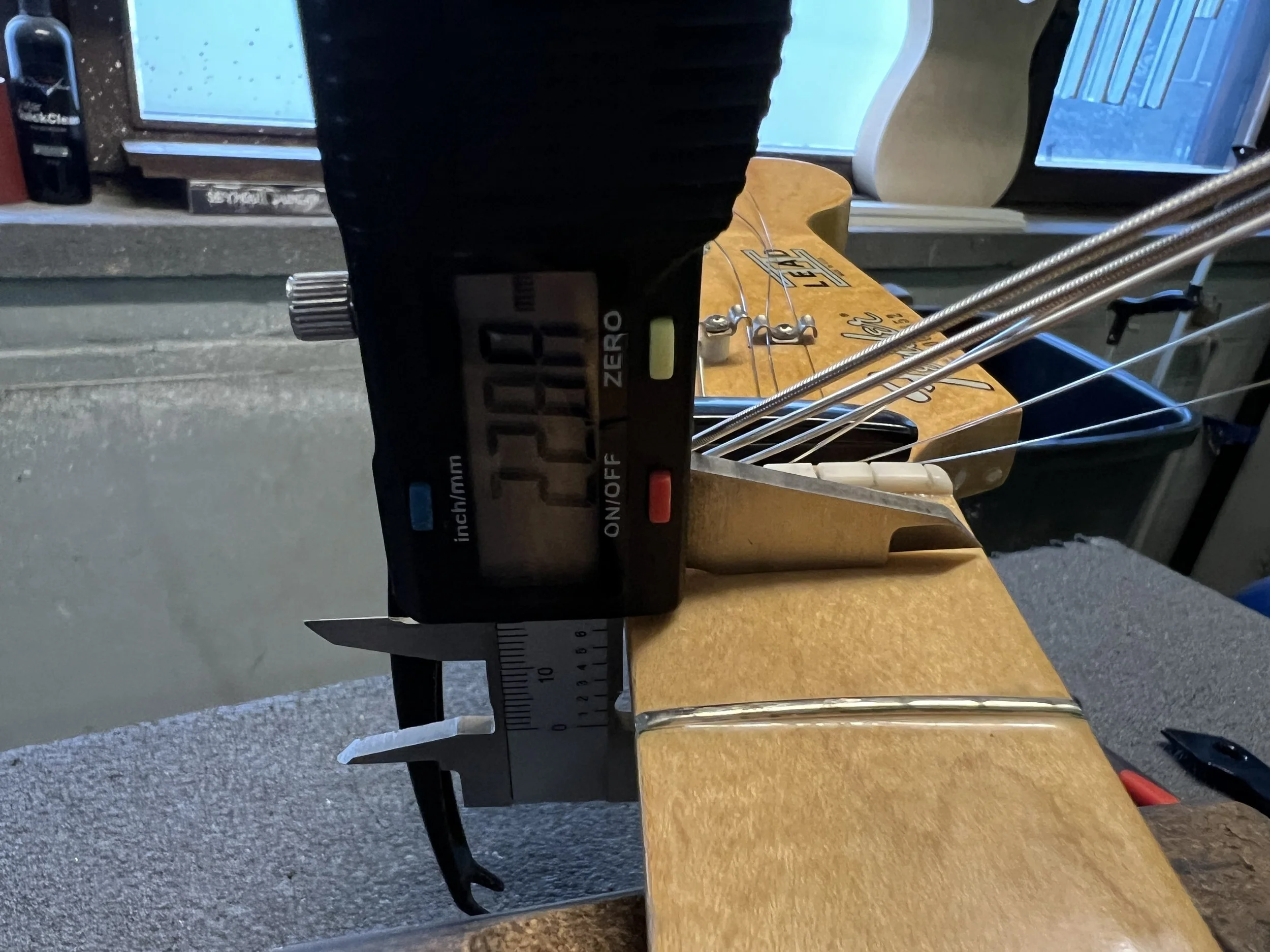
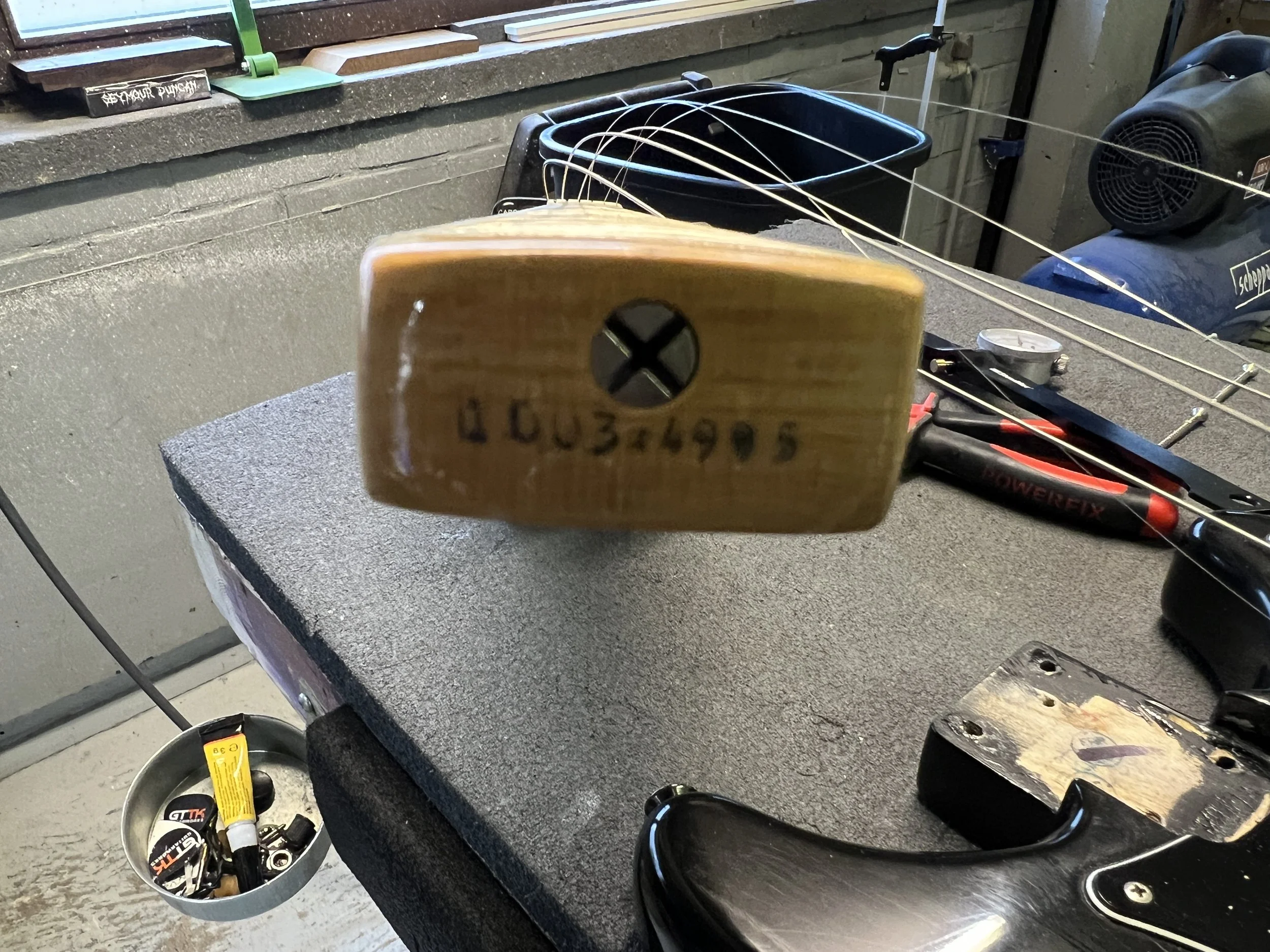
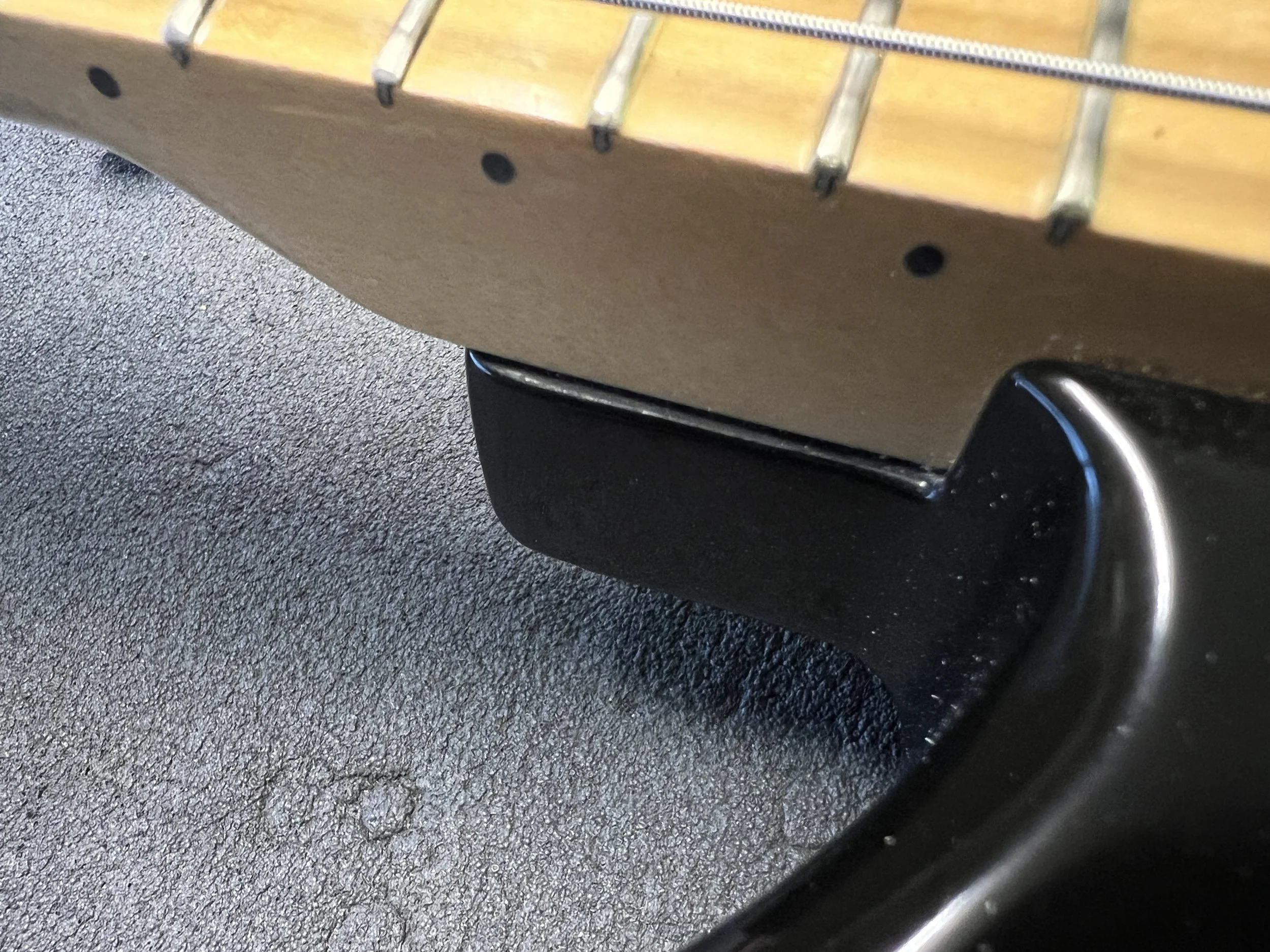
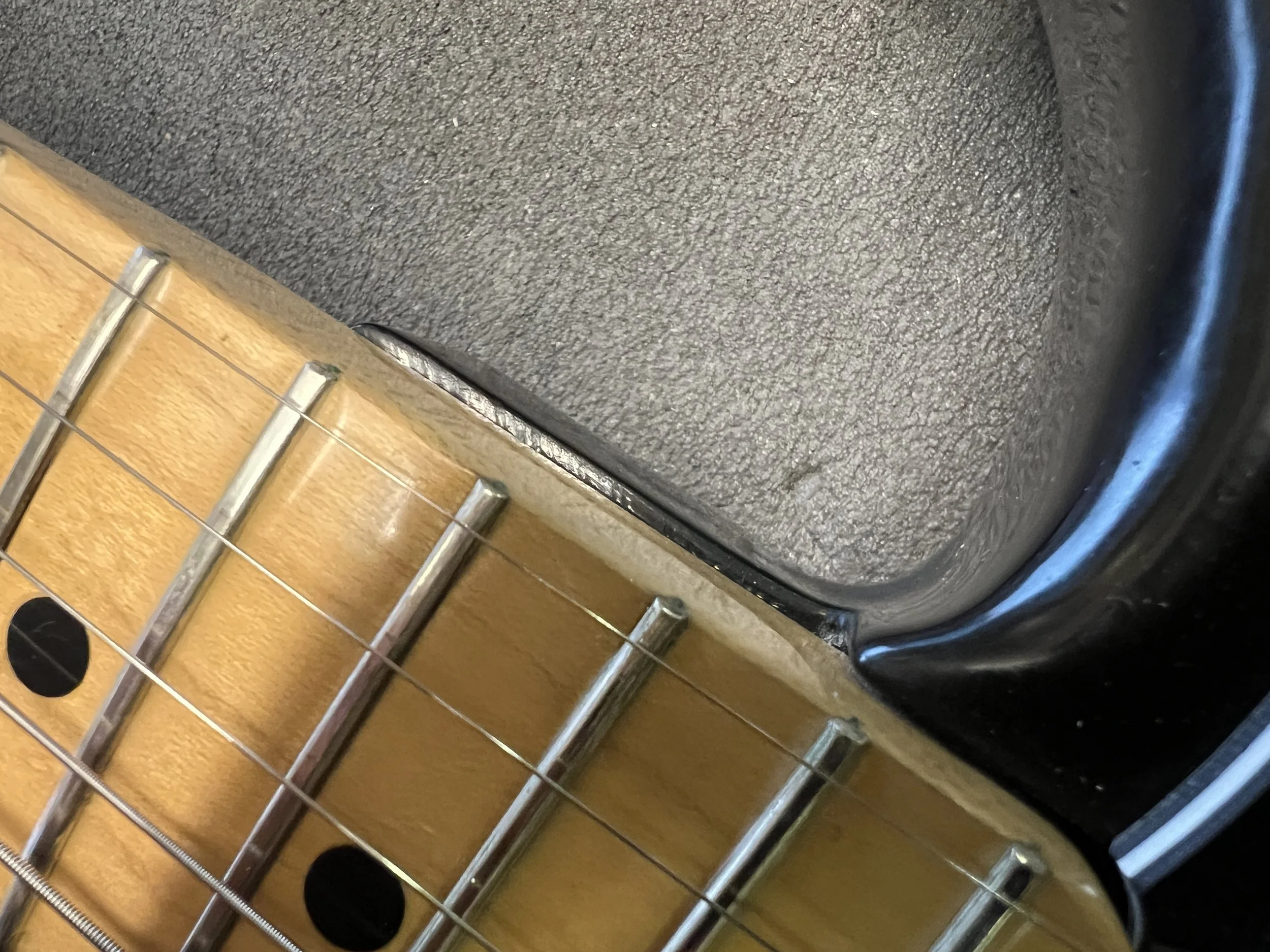
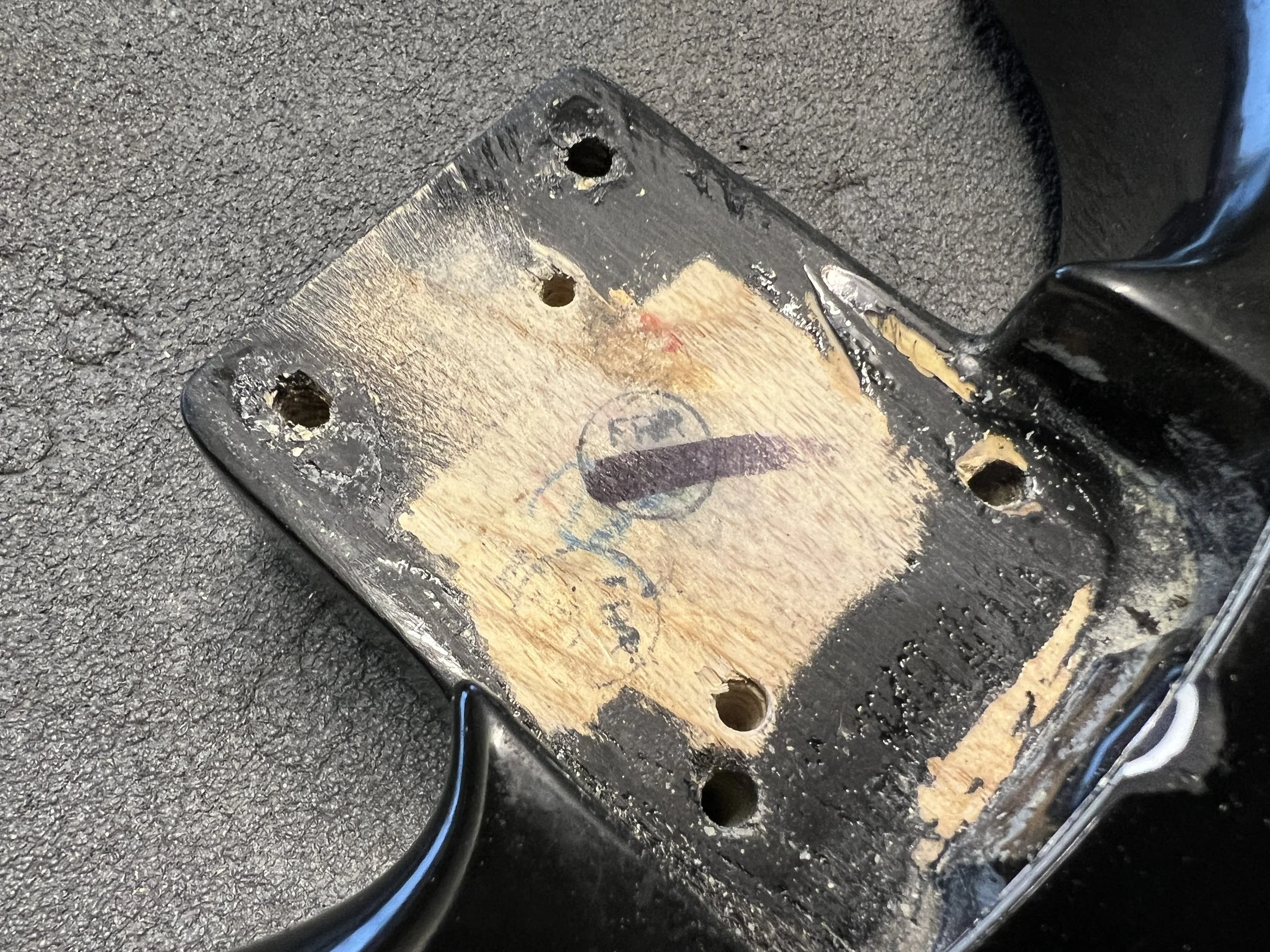
Continuing to the body, but before we get into it, I noticed a flaw. There’s a gap between the width of the neck heel and the neck pocket. The pocket was wider by about 3mm to 4mm in total. A factory flaw, or just a hmmm... fuck up?
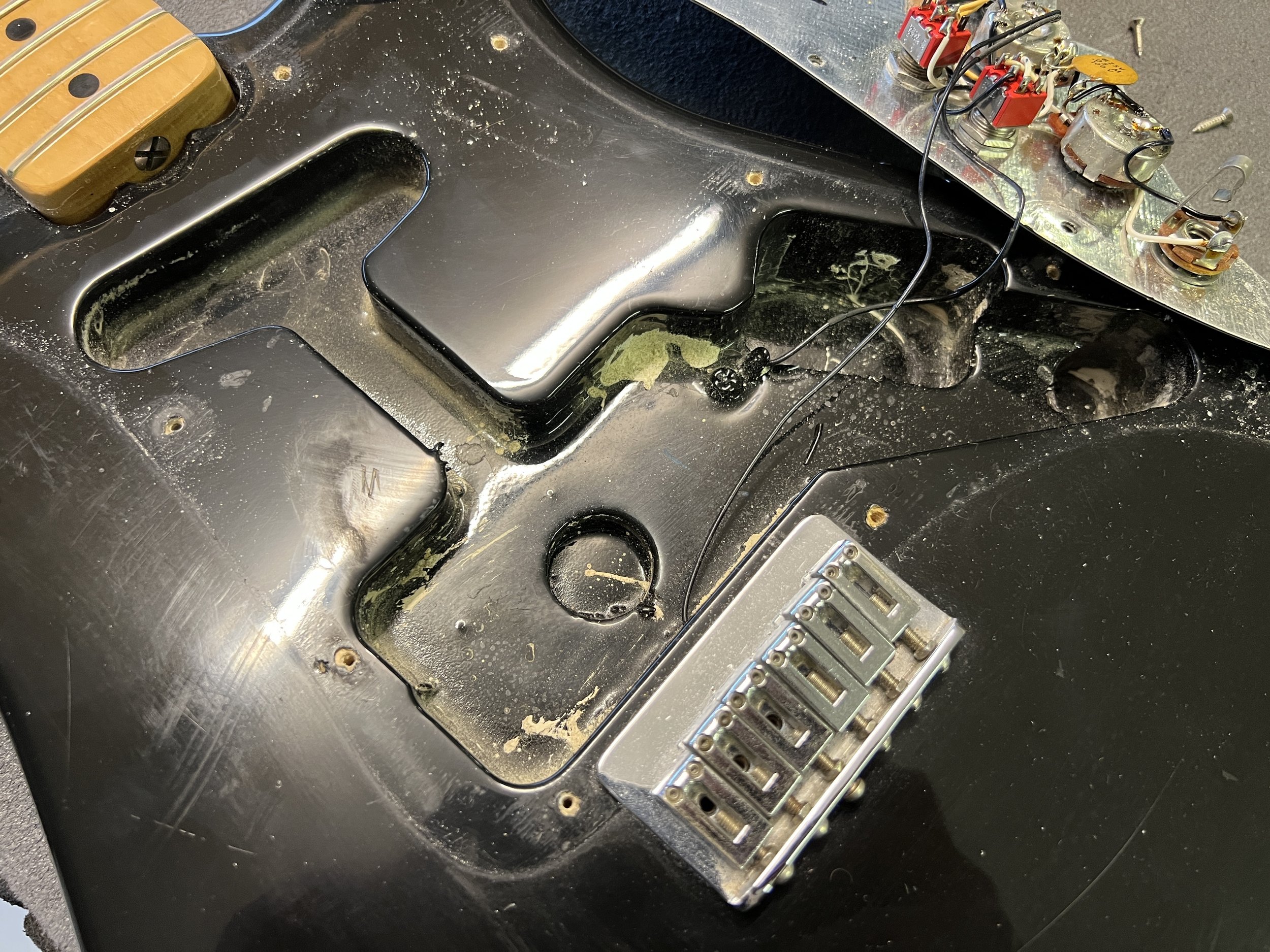
According to my secret sources (Google), the body is made of Ash. But there’s ash, and then there’s ash. In this case, they used light, good-quality wood. The body thickness, again, reminds me of a Japanese guitar. As you can see in the pictures, you could add a humbucker if you wanted to since it’s already routed for it. However, the routing isn't very deep, so a P90 or even a Jazzmaster pickup might fit better than a deep humbucker in that shallow cavity. Regardless, it’s a comfortable body, light and resonant.
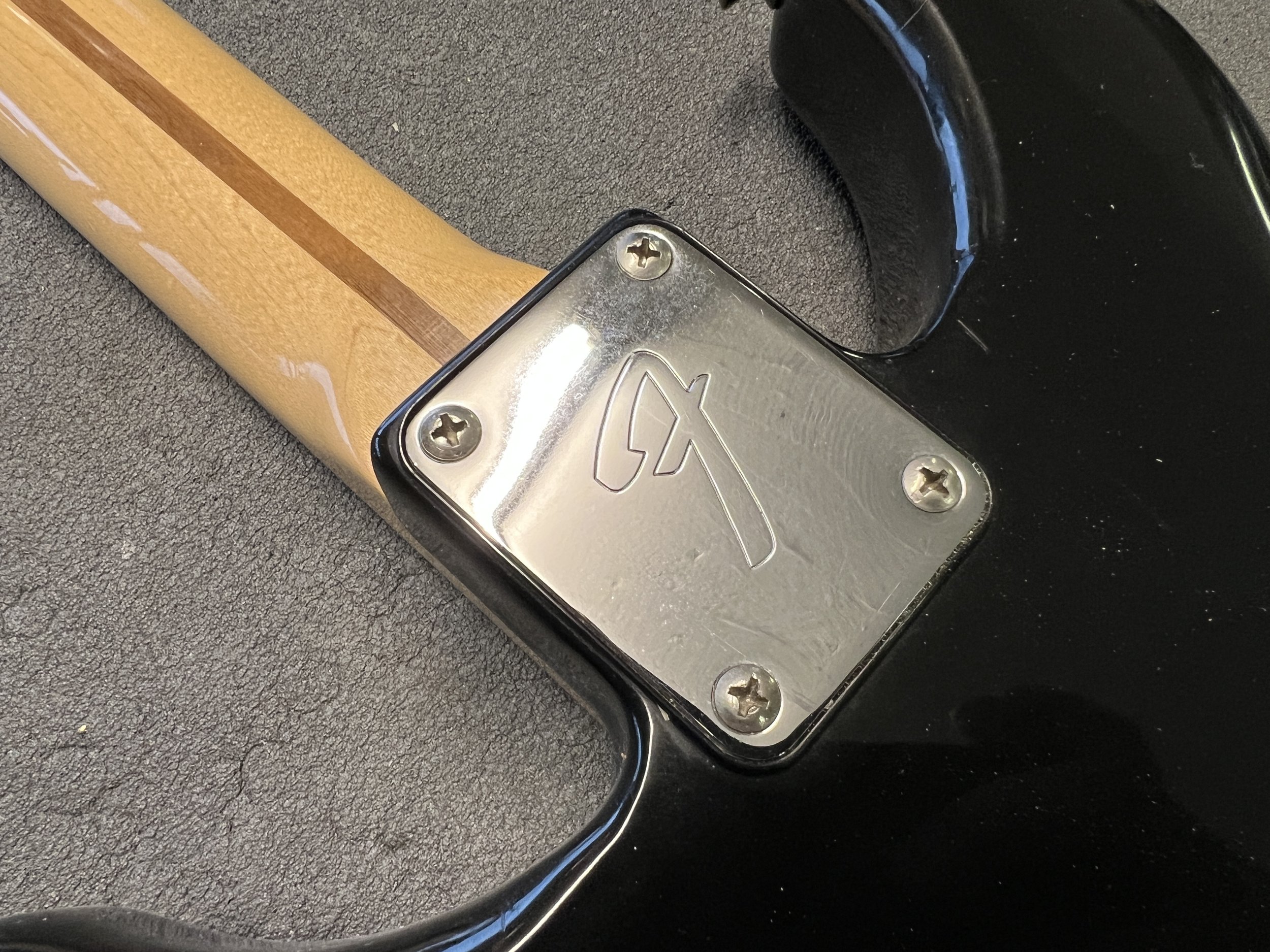
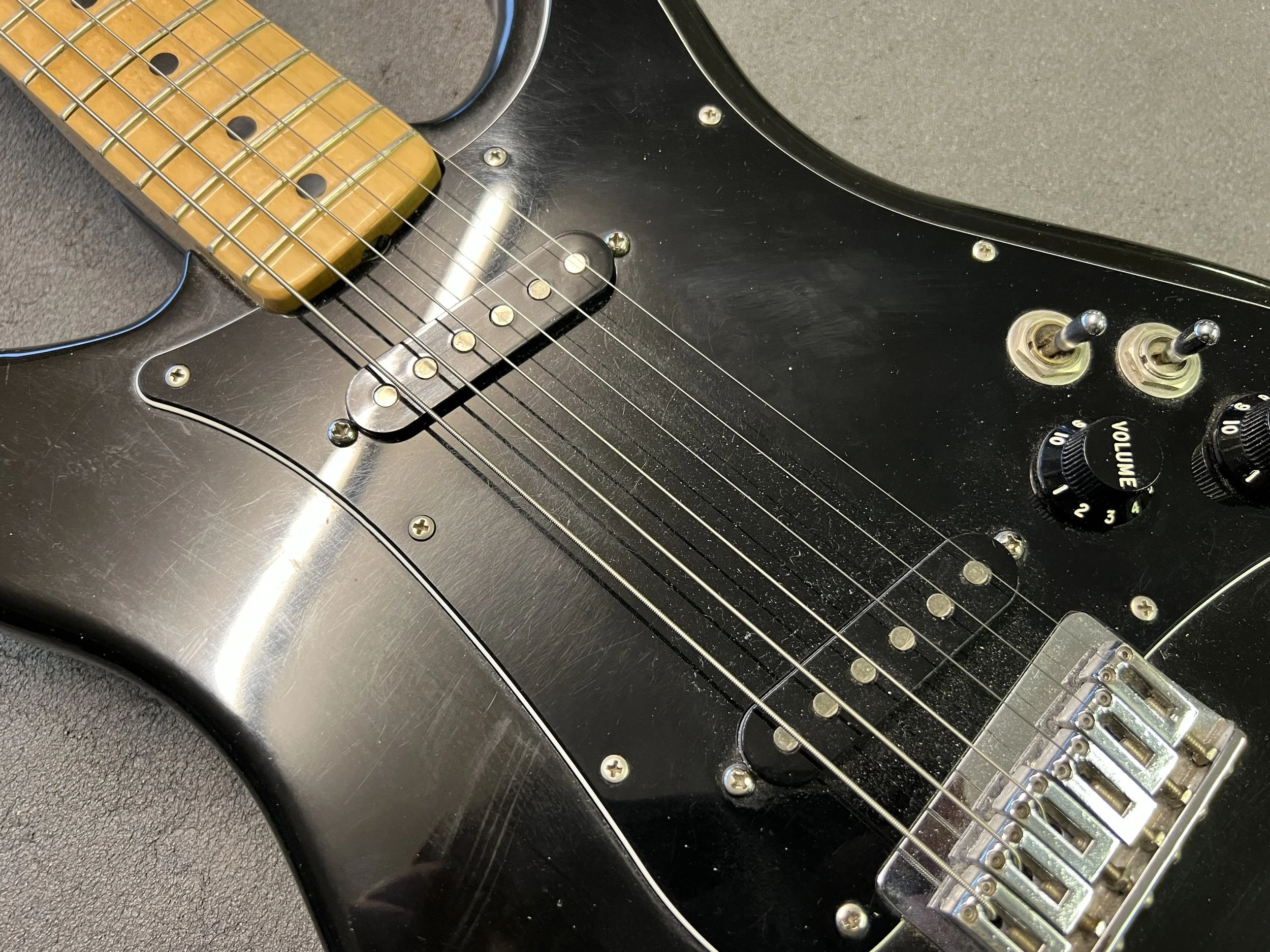
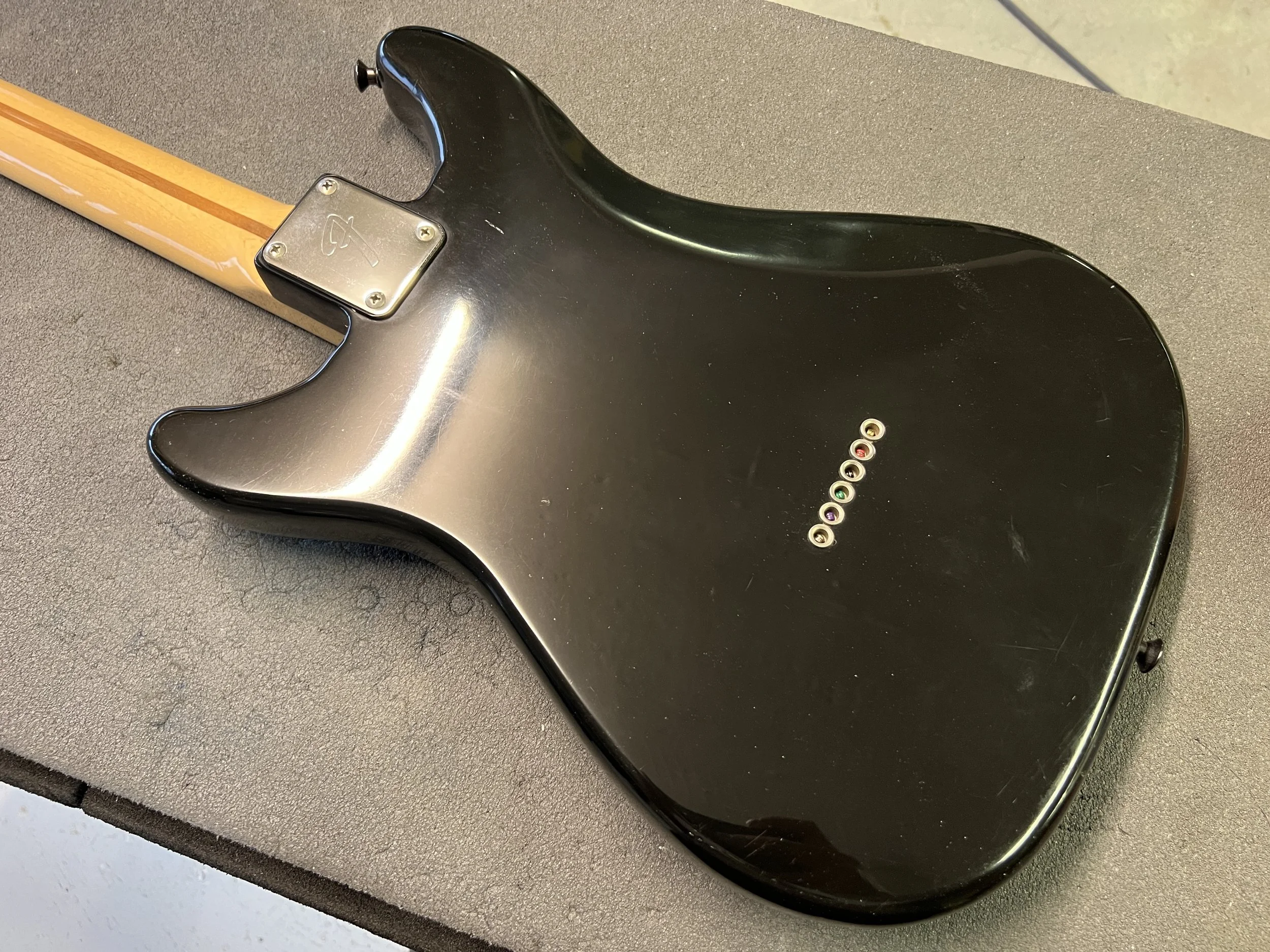
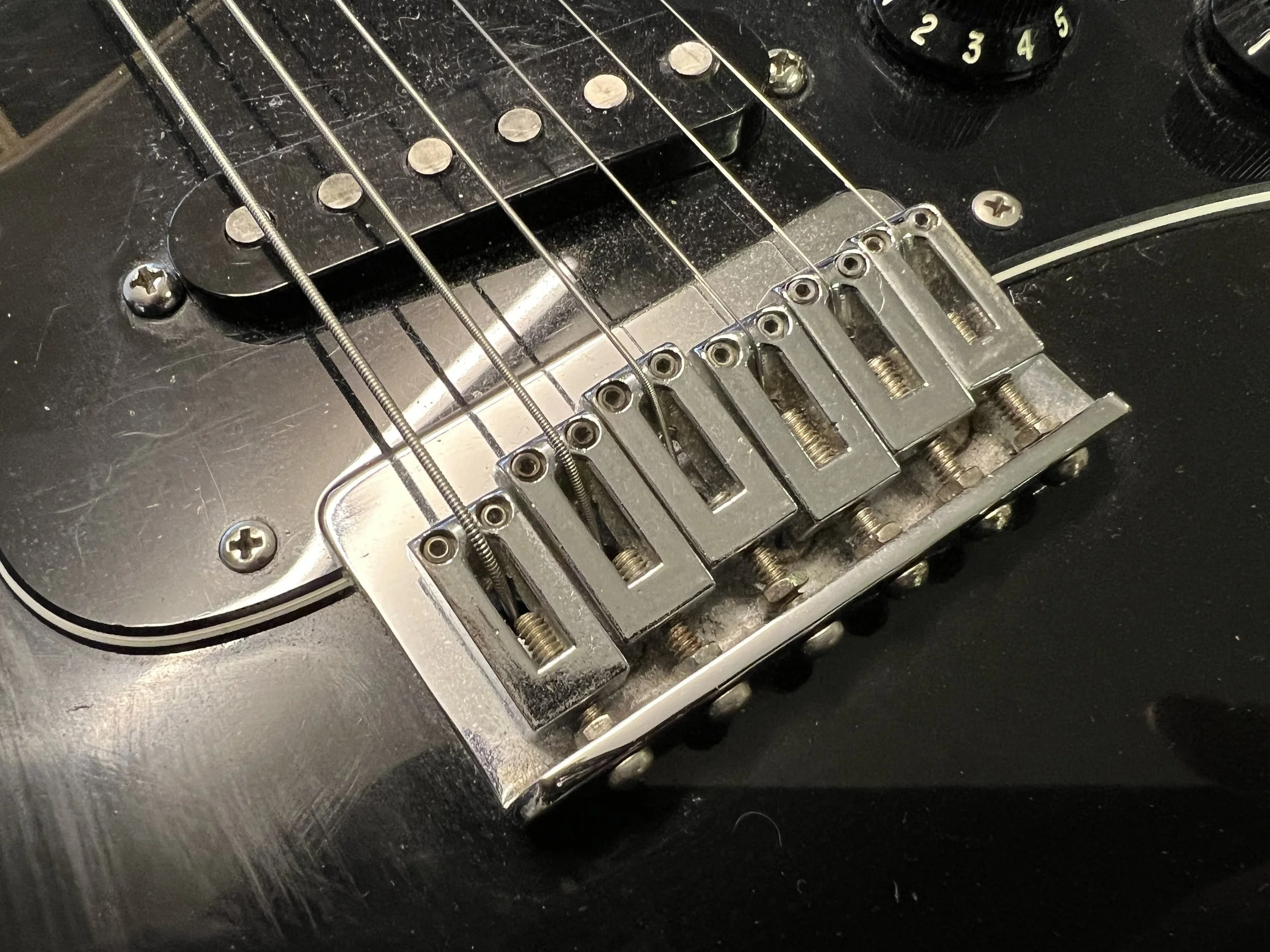
The hardware is pretty much standard for the era. Good quality vintage-style tuners, which I just love. I couldn’t care less for modern locking tuners; changing strings here is easy and they hold tuning perfectly. But hey, there’s always a YouTuber telling you that stainless steel frets and locking tuners are a "must" on every guitar, right? It has a fixed bridge with era-correct saddles, not much to add there, they just work, with a string-through-body setup.
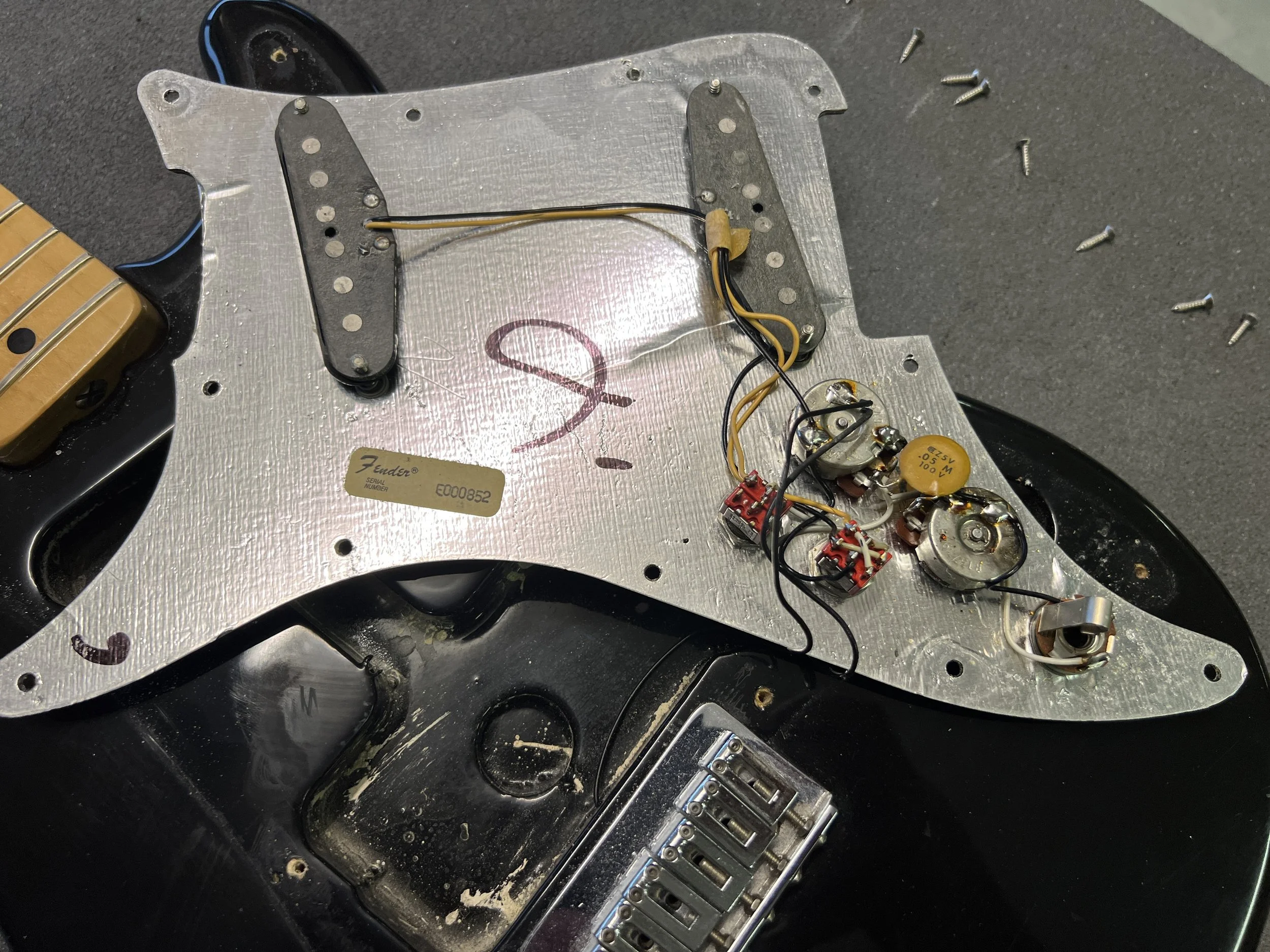
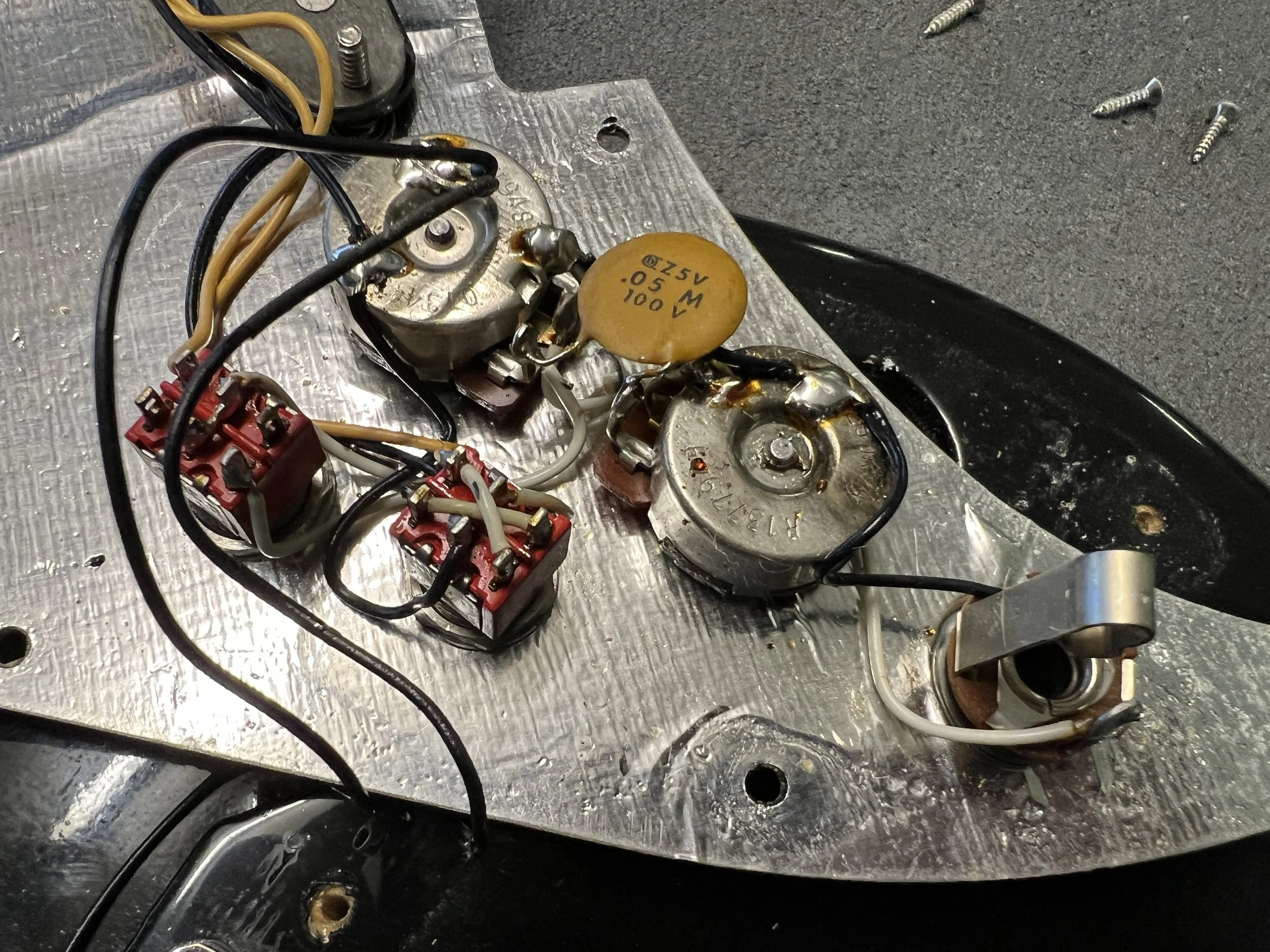
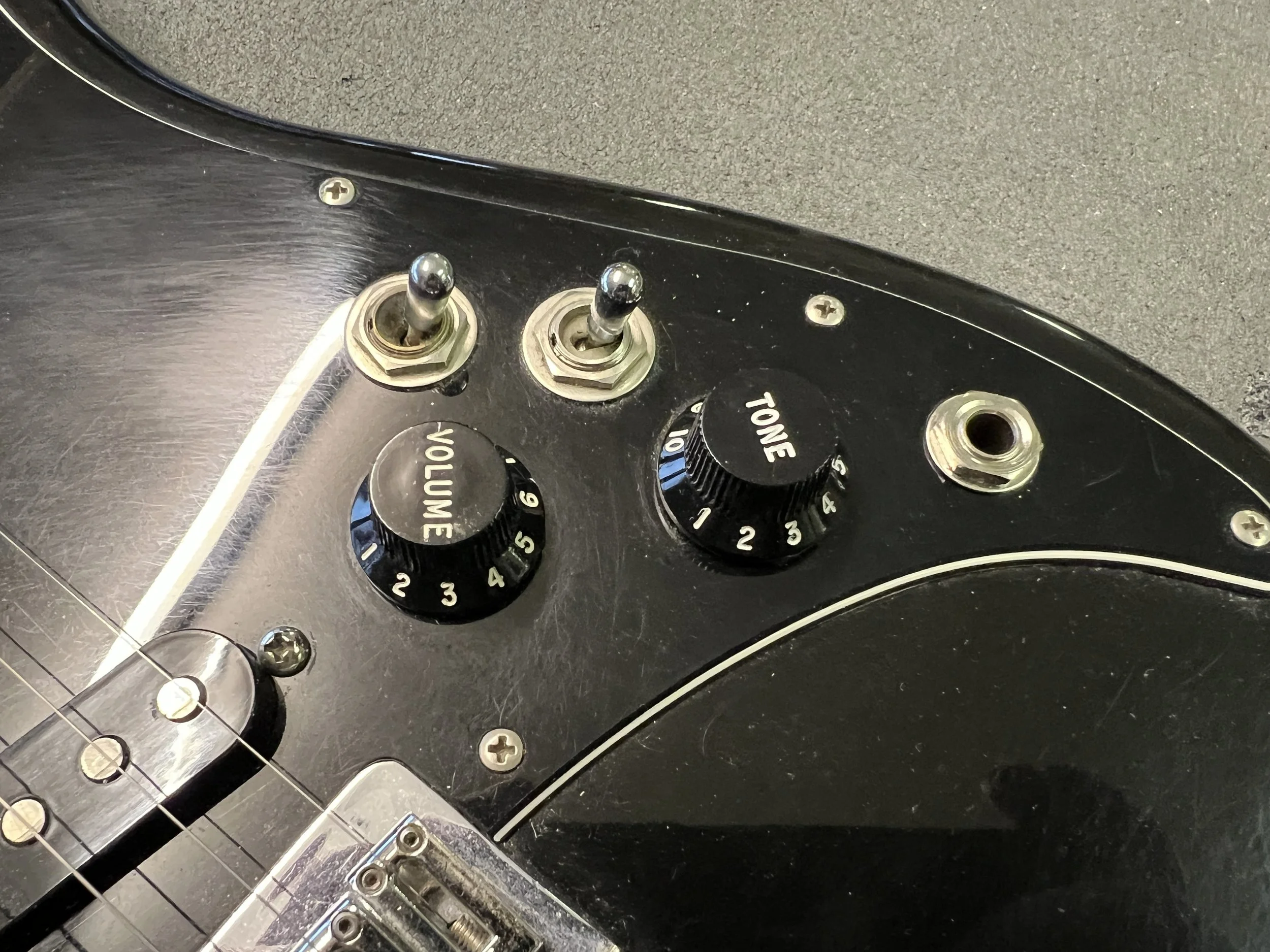
As for the electronics, starting with the "guts," everything is good quality. There are some odd choices like a phase switch, oddities of the era, I guess. The toggle switches are really small too, but they have a good action and a satisfying click. Now, looking at the pickups, you'd probably think they’d sound weak or cheap. But nope—they were a great surprise. Fat, mid-focused, and they’d probably go crazy with some good gain. I don't test guitars with high gain, though; for me, it’s all about that range from "dirty clean" to "crystal clean," and in that realm, these pickups did a fantastic job.
In terms of playability, it’s just a great guitar. It plays effortlessly—comfortable, nimble, and it doesn’t fight back. Like the name says: LEAD. To me, it feels more like a guitar for soloing than for chugging riffs, but that’s just my opinion from the short time I had it.
Would I go out and hunt one down to keep at home? Not really, to be honest. I mean, in a parallel universe where I can have everything I want, why not? But in this one, I try to lean more toward "needs" (which is BS, let’s be real—no one needs more than one guitar). But it’s a fun guitar, and surprisingly enjoyable for a USA Fender trying to be Japanese.
I know that around 2020, Fender made a MIM version of this, but I’ve never seen one in person so I can't comment on those. My guess is there are still plenty of these USA Leads floating around. So, if narrow necks and light bodies are your thing, give one a try. You might be surprised, just like I was.